Miles Davis's leader album
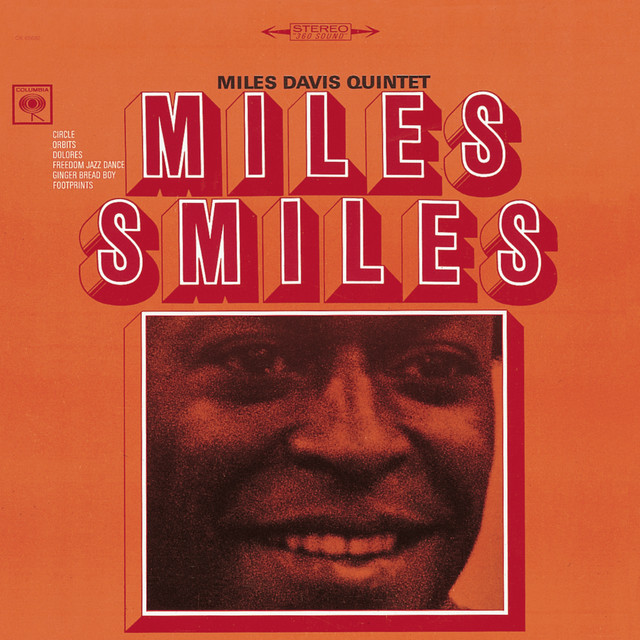
The Second Great Quintet of 1964–68. Each member had independent careers, but together they fundamentally reinvented how jazz treated time.
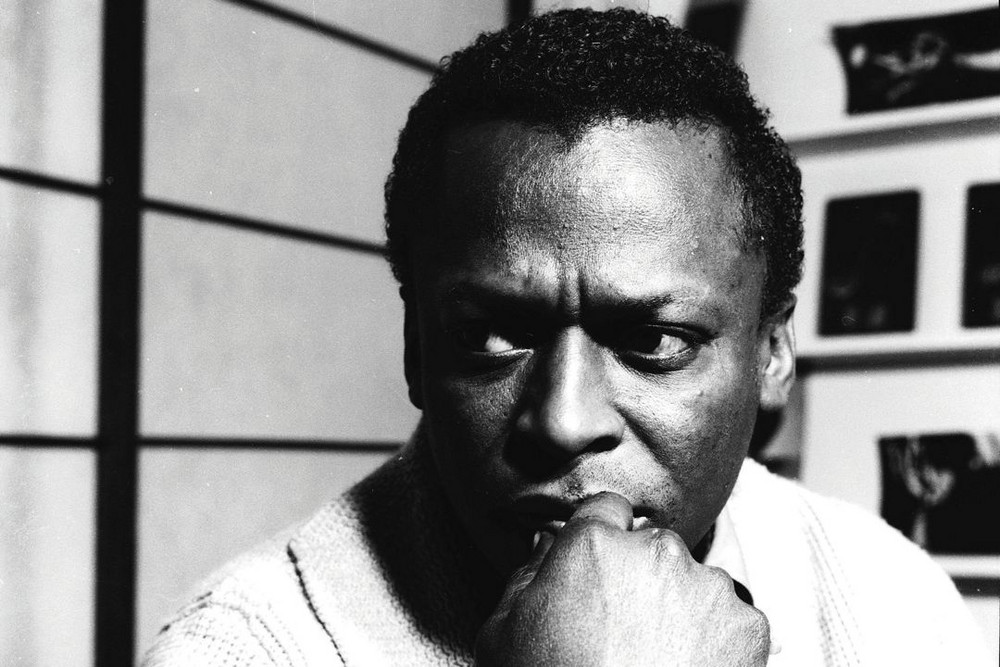
(1926–1991)
Alton, IL, United States
He uses few notes. A single note changes the air in the room. The silences — what he doesn't play — are more eloquent than most players' busiest passages. He sounds like a different person in the 1950s versus the 1970s, but that sense of space never changes. It is the sound of Miles Davis.
Miles Davis's leader album
The Second Great Quintet of 1964–68. Each member had independent careers, but together they fundamentally reinvented how jazz treated time.
Miles Davis's leader album
Miles's 1969–70 studio experiments fused rock's rhythmic sensibility with jazz improvisation. Bitches Brew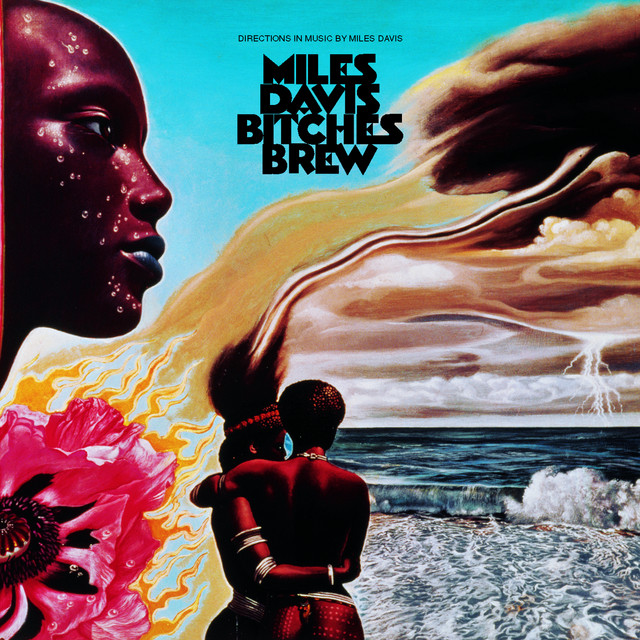


Miles Davis's leader album
In two marathon sessions in May and October 1956, Miles
 — Kind of Blue: The Making of the Miles Davis Masterpiece, Ashley Kahn, 2000
Miles Davis's leader album
Kind of Blue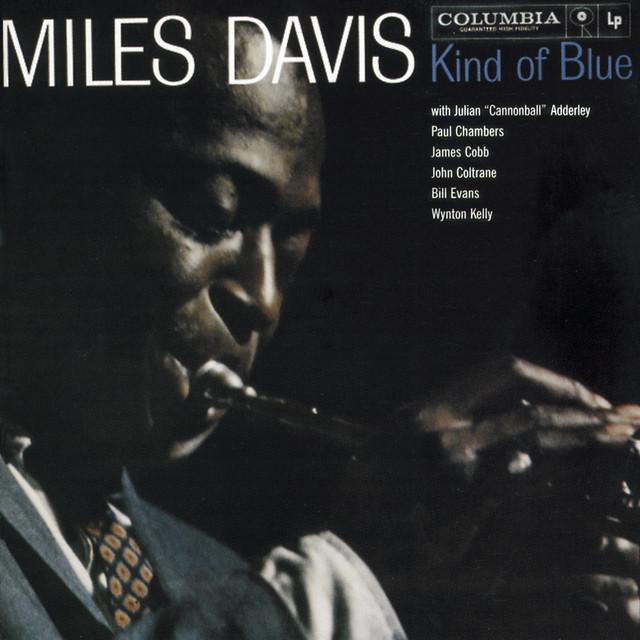
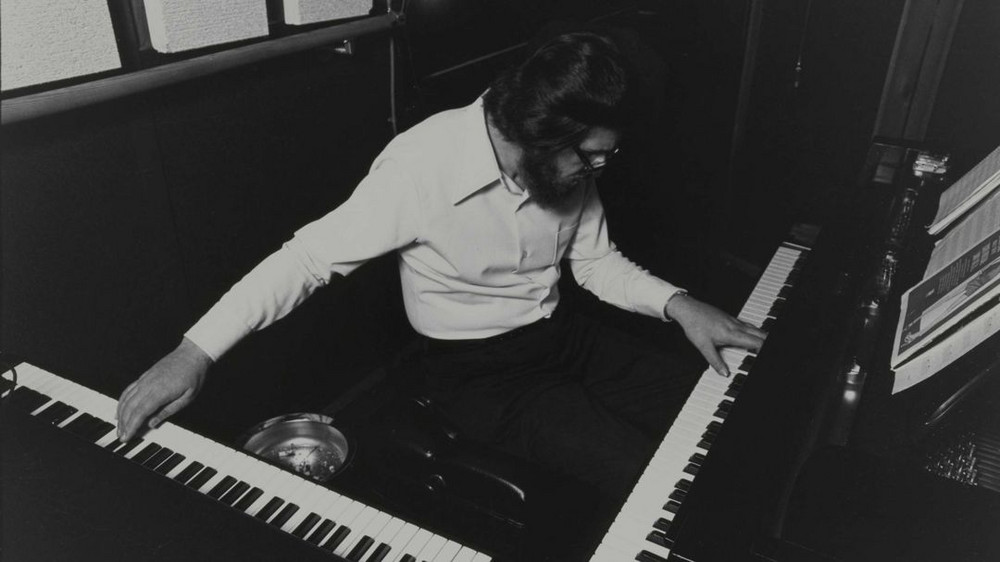
— Kind of Blue: The Making of the Miles Davis Masterpiece, Ashley Kahn, 2000
Miles Davis's albums
When the Heart Emerges Glistening

Miles Davis's videos
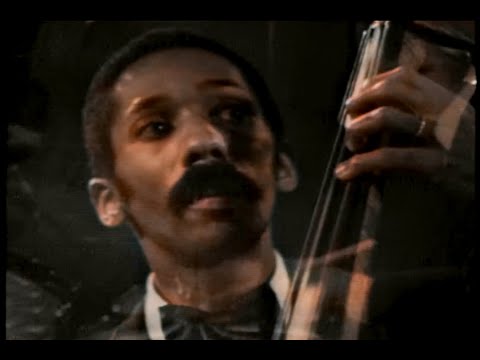
October 1967, Stockholm. One of the very few proper video documents of the Second Great Quintet. 'Agitation,' 'Footprints,' and ''Round Midnight' bleed into each other, and you can literally see how the four of them collectively own the time.
Miles Davis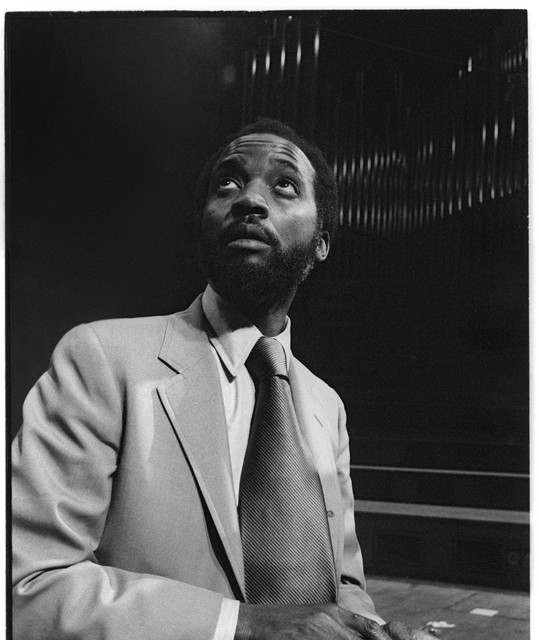
Tony Williams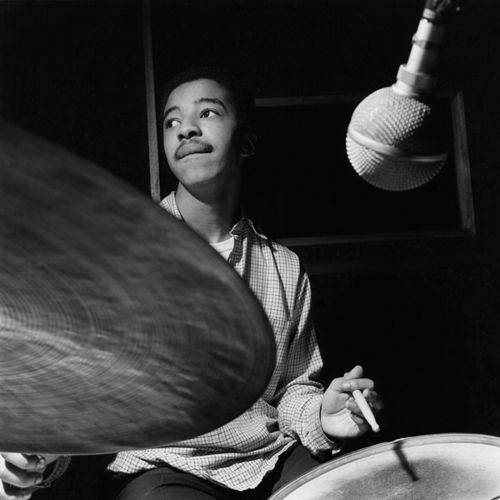
Miles Davis's leader album
Brazilian percussionist Airto Moreira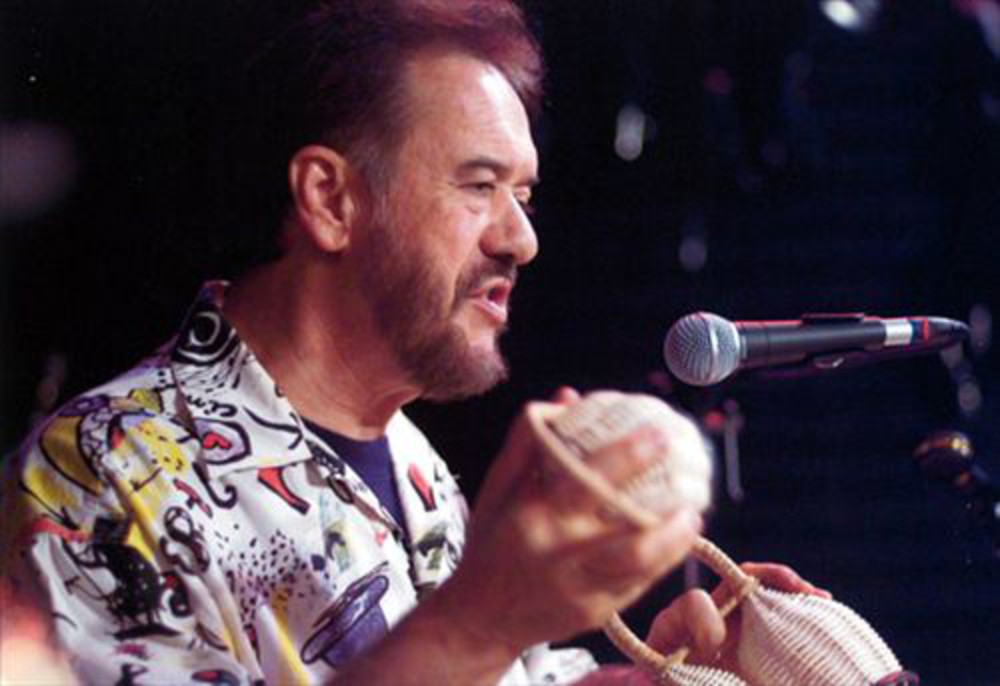
Miles Davis's leader album
Miles Davis
Miles Davis's leader album
Jimmy Cobb

— Kind of Blue: The Making of the Miles Davis Masterpiece, Ashley Kahn, 2000
Marcus Miller
Miles Davis's leader album
Miles Davis

— Miles Davis Covers Michael Jackson's 'Human Nature' — Open Culture
Miles Davis said
'the archbishop of players'
Miles's description of Wayne in his autobiography. The creative compass of the Second Great Quintet.

About Miles Davis
'Miles taught me how to turn a mistake into an opportunity'
During his time with the Miles Davis Quintet (1963–68). Based on the well-known episode where Miles turned Herbie's 'wrong' chord into part of the music.

About Miles Davis
"Miles told us: there are no wrong notes. It's what you do with them next that matters."
Hancock recalled this lesson from the Second Great Quintet years in his memoir.
Miles Davis's leader album
From 1955–60, Coltrane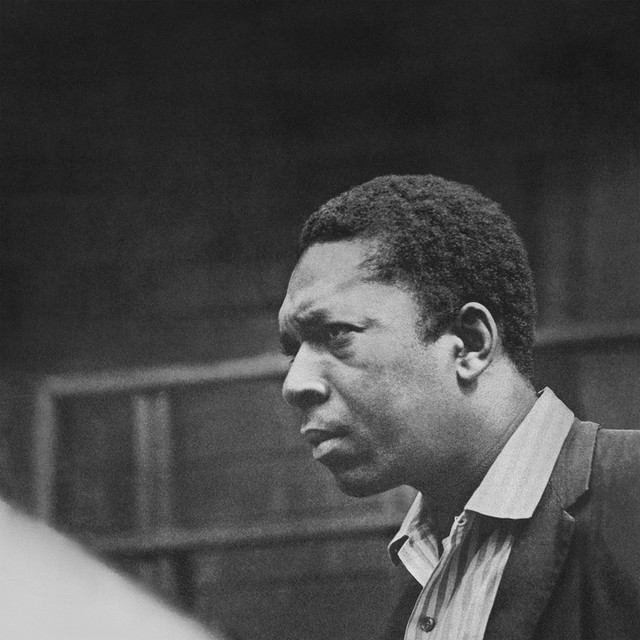
Miles Davis's videos
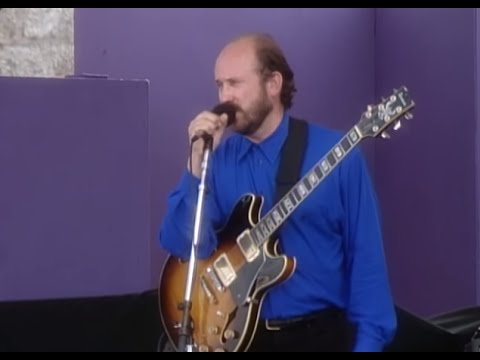
August 14, 1993, Newport Jazz Festival. Full concert by John Scofield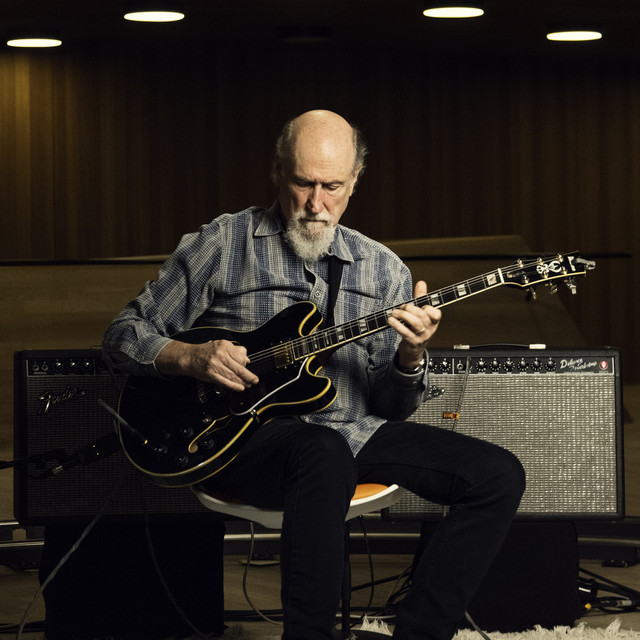
Miles Davis's videos
May 2, 2023, NPR Tiny Desk. Kenny Garrett
Ron Carter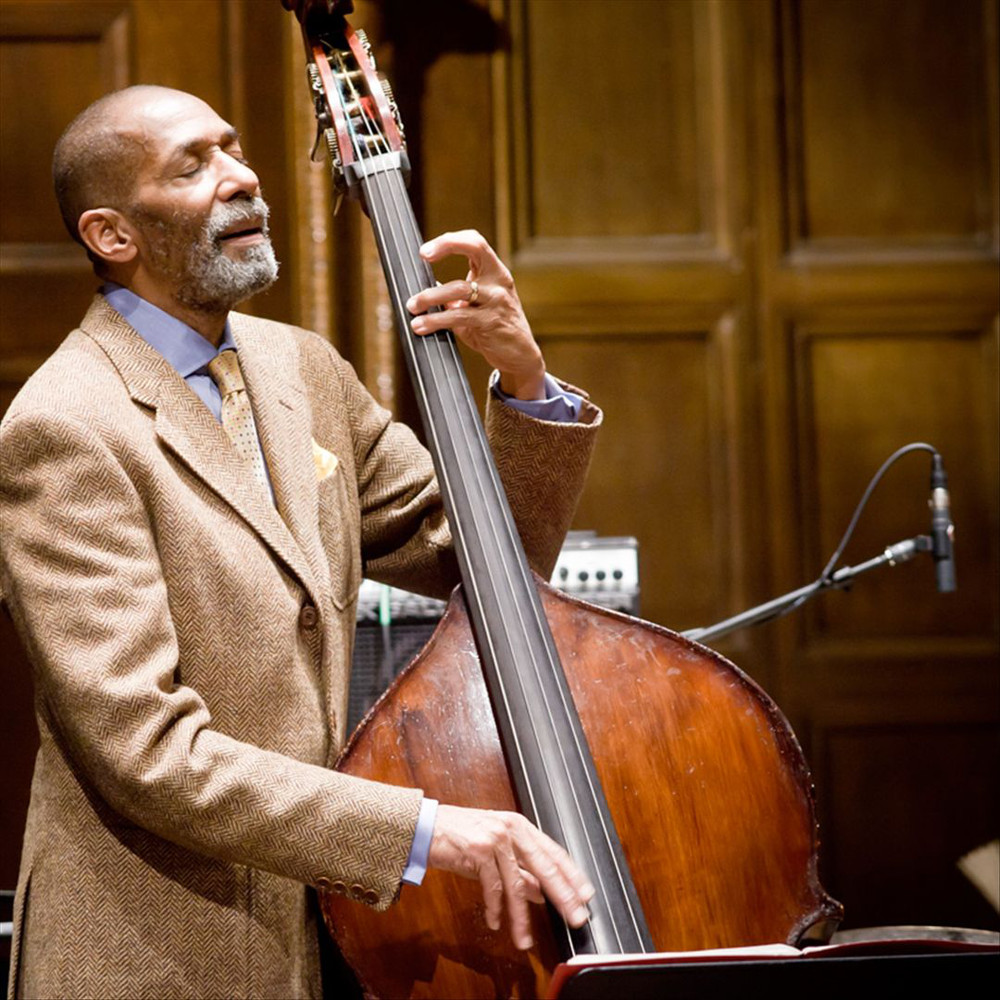
Miles Davis's leader album
E.S.P.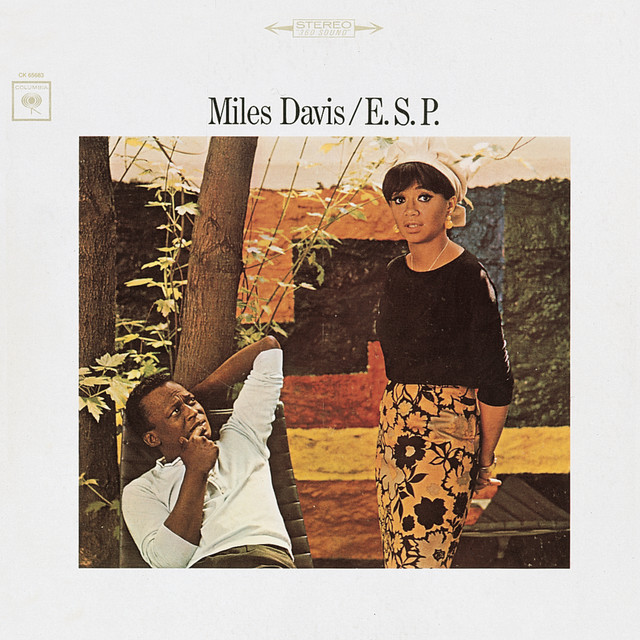
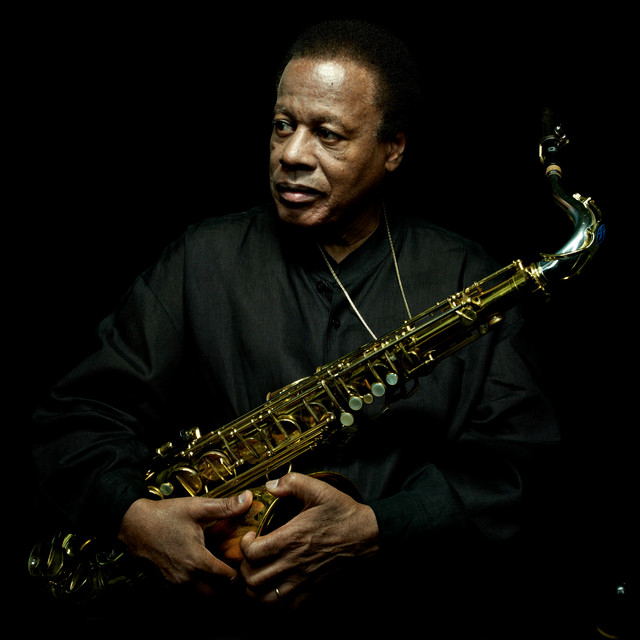
Miles Davis's leader album
On the title track of Nefertiti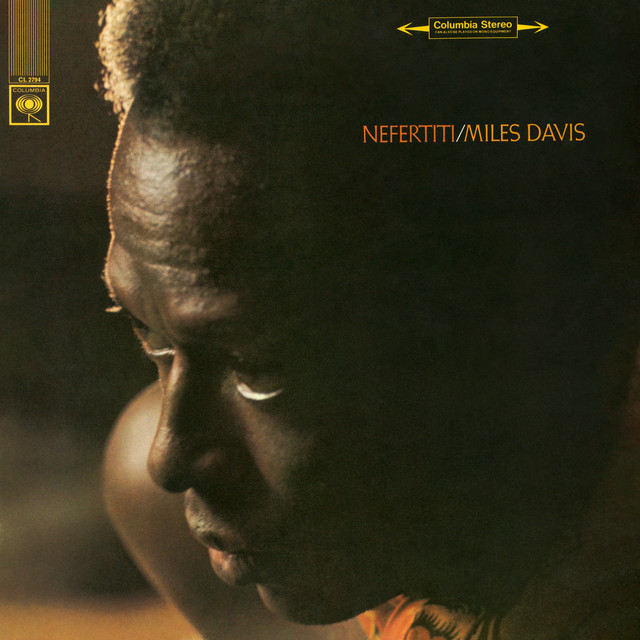
 — Footprints: The Life and Work of Wayne Shorter, Michelle Mercer, 2004
Miles Davis's leader album
In just two days (May and October 1956), Miles Davis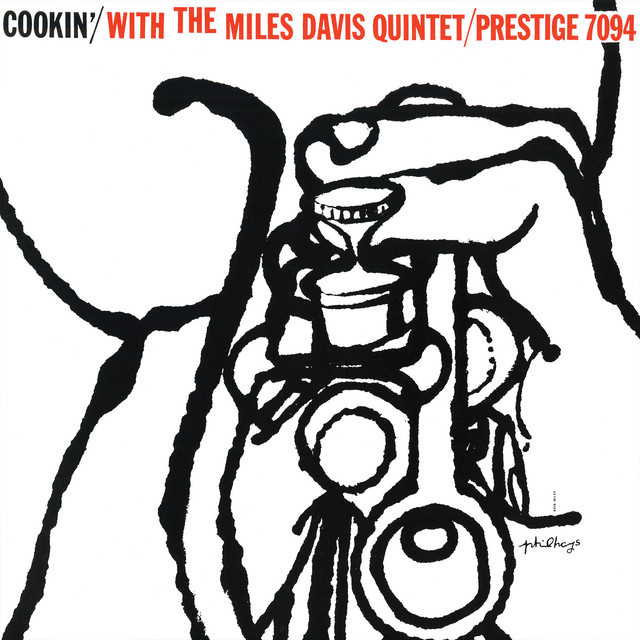
— Kind of Blue: The Making of the Miles Davis Masterpiece, Ashley Kahn, 2000
Miles Davis's leader album
Cannonball Adderley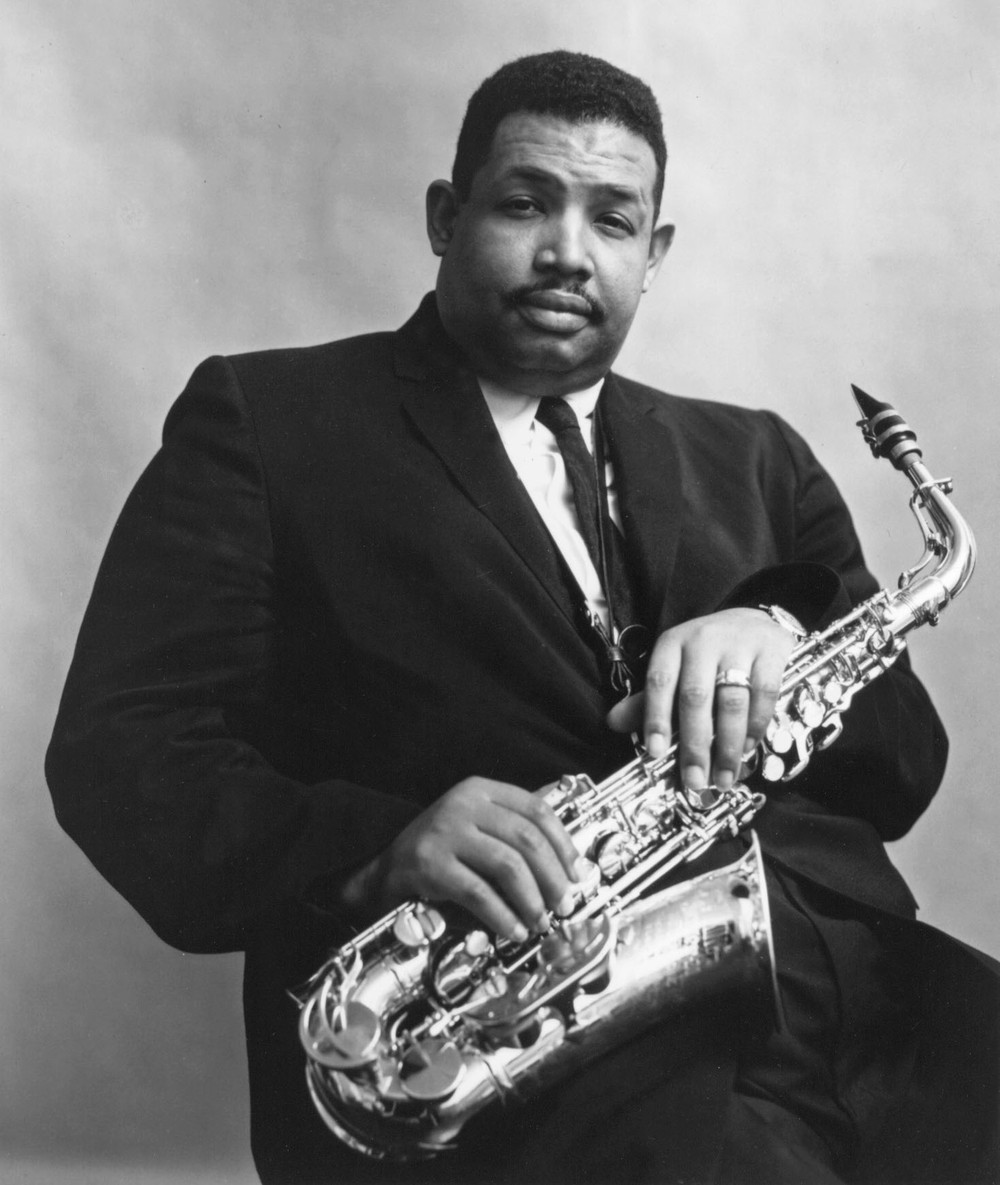
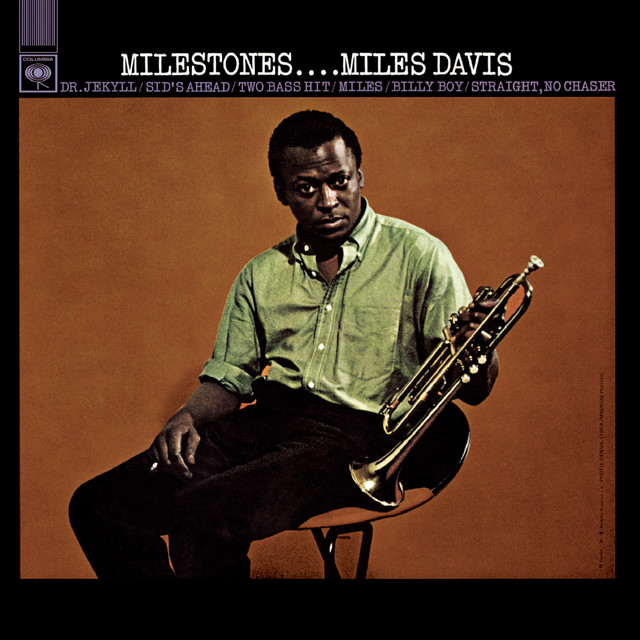
Miles Davis's leader album
Cannonball Adderley
— Kind of Blue: The Making of the Miles Davis Masterpiece, Ashley Kahn, 2000
Miles Davis's leader album
Philly Joe Jones
Miles Davis's leader album
Red Garland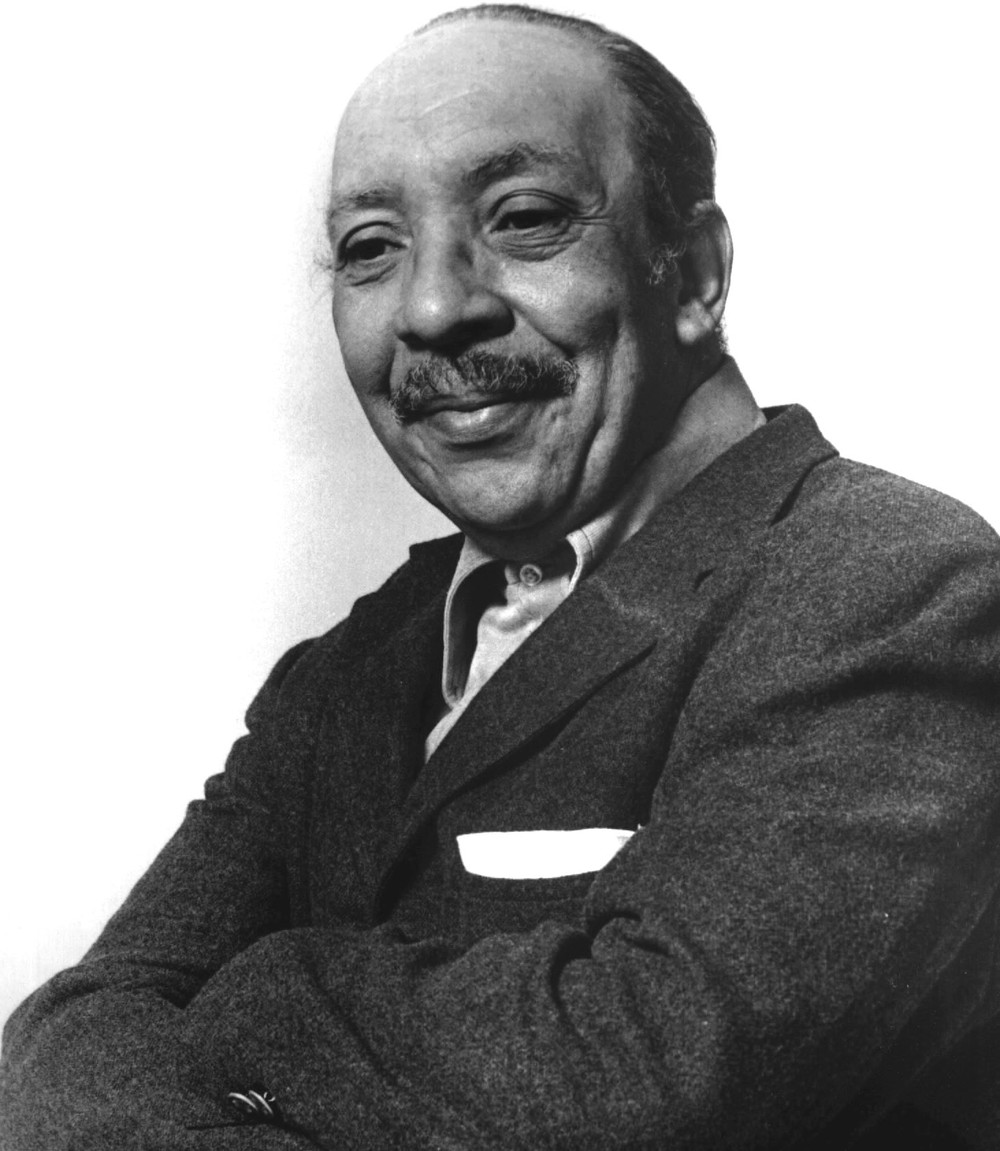
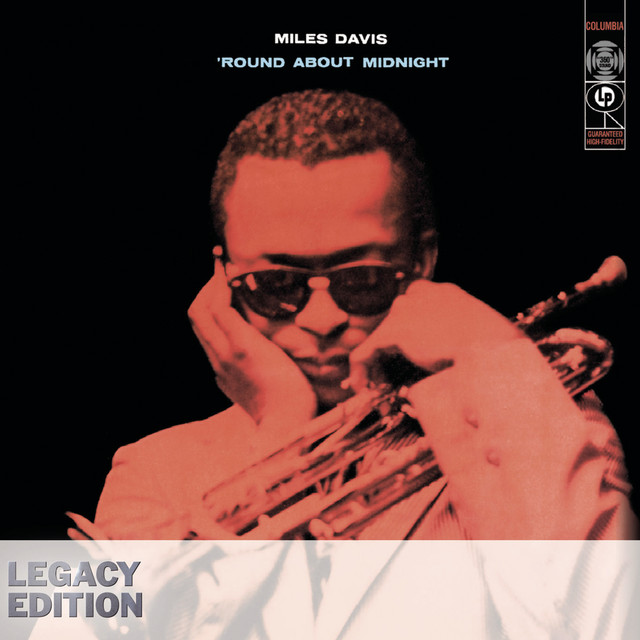
In spring 1958 Red Garland
— Kind of Blue: The Making of the Miles Davis Masterpiece, Ashley Kahn, 2000
Miles Davis's leader album
The title track of In a Silent Way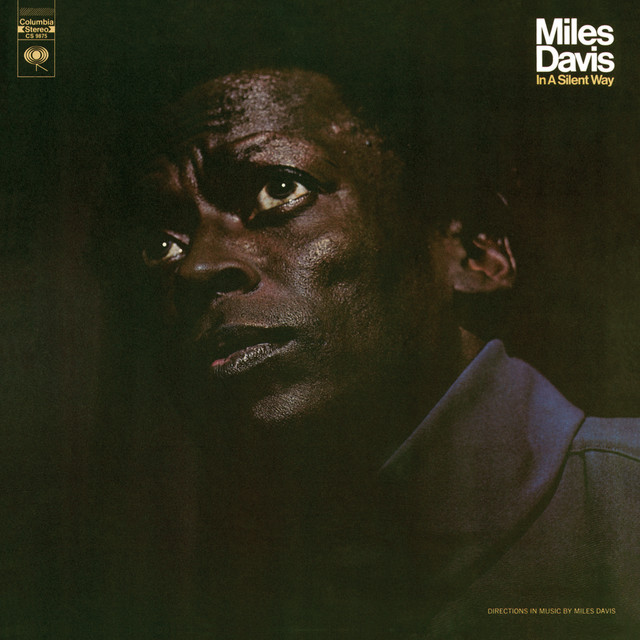
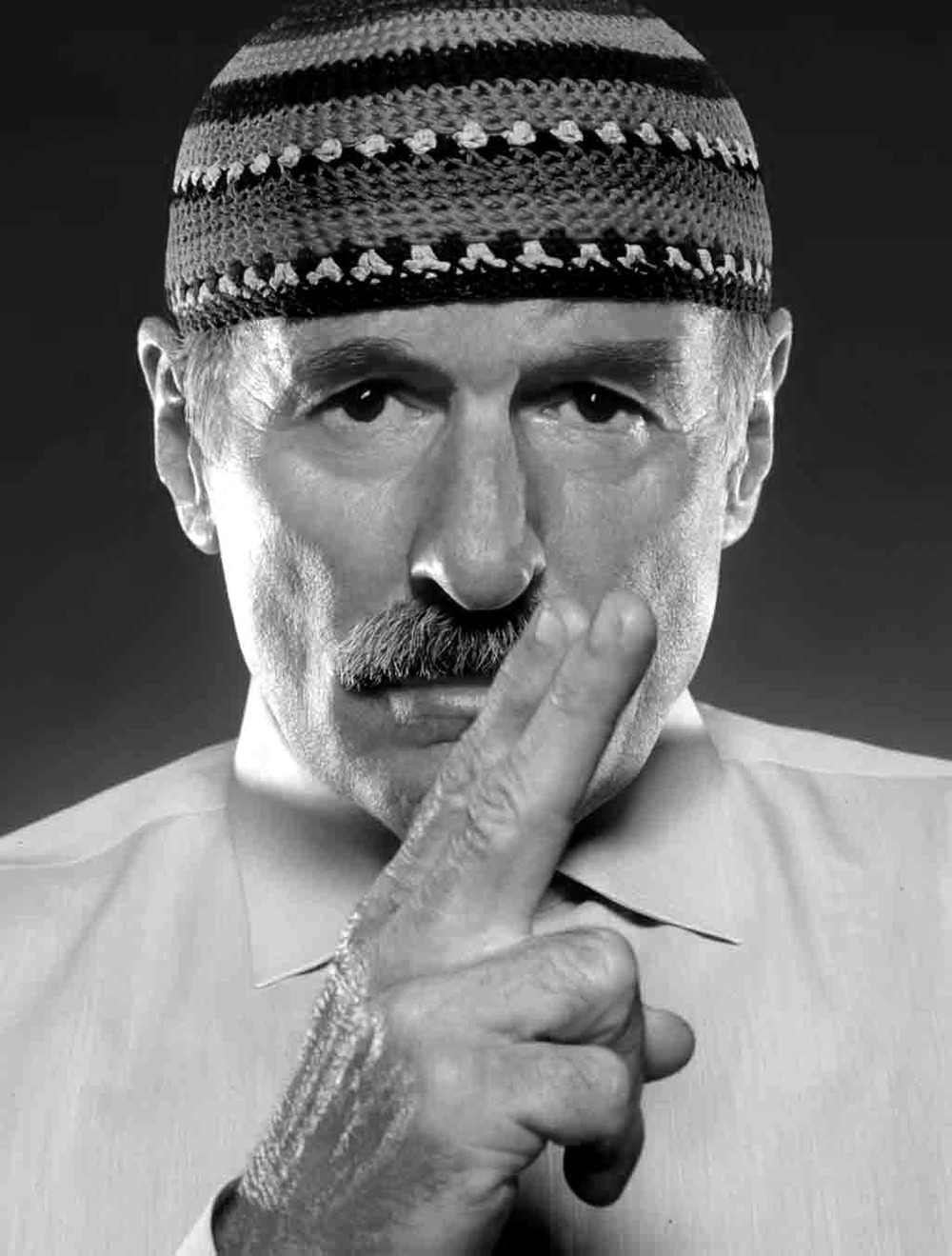
Ahmad Jamal
Miles Davis's leader album
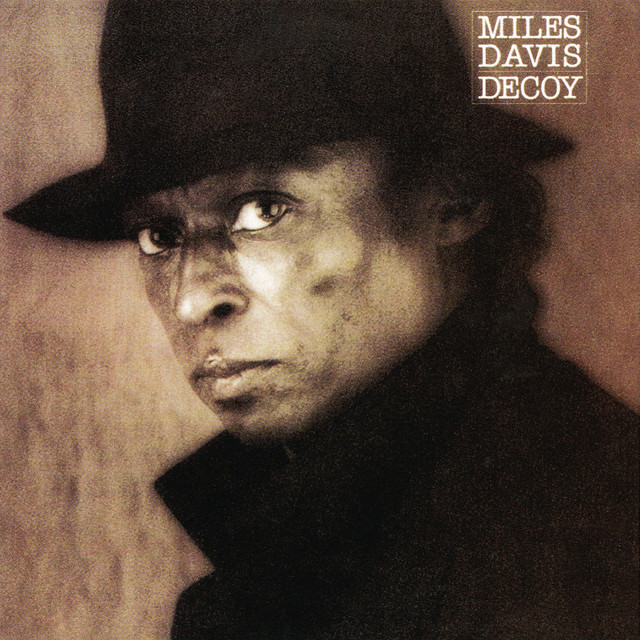
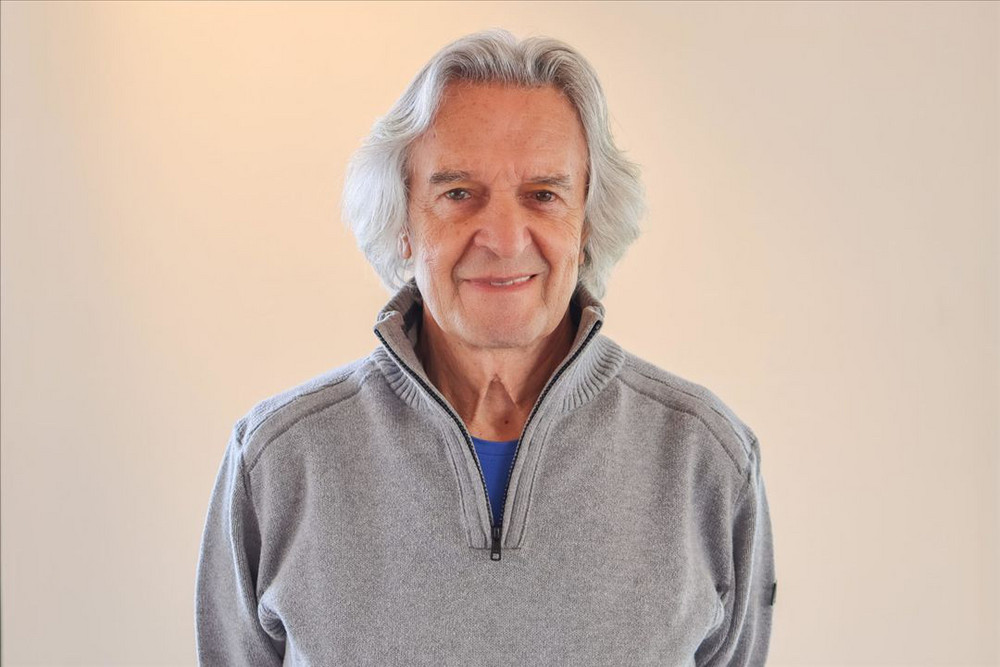
John Scofield joined Miles Davis's band in 1982 and stayed about three and a half years. His first studio appearance was on Star People (1983), followed by writing and guitar contributions to Decoy (1984) and You're Under Arrest (1985).
Miles Davis said
'a sound like crystal notes or sparkling water cascading down from some clear waterfall'
Miles's description of Bill Evans's sound, recounted in his autobiography.
About Miles Davis
'Miles said he learned silence from my playing. That is an honor.'
On Miles Davis's well-documented admiration for Jamal's playing. Miles often directed his band members to listen to Ahmad Jamal.
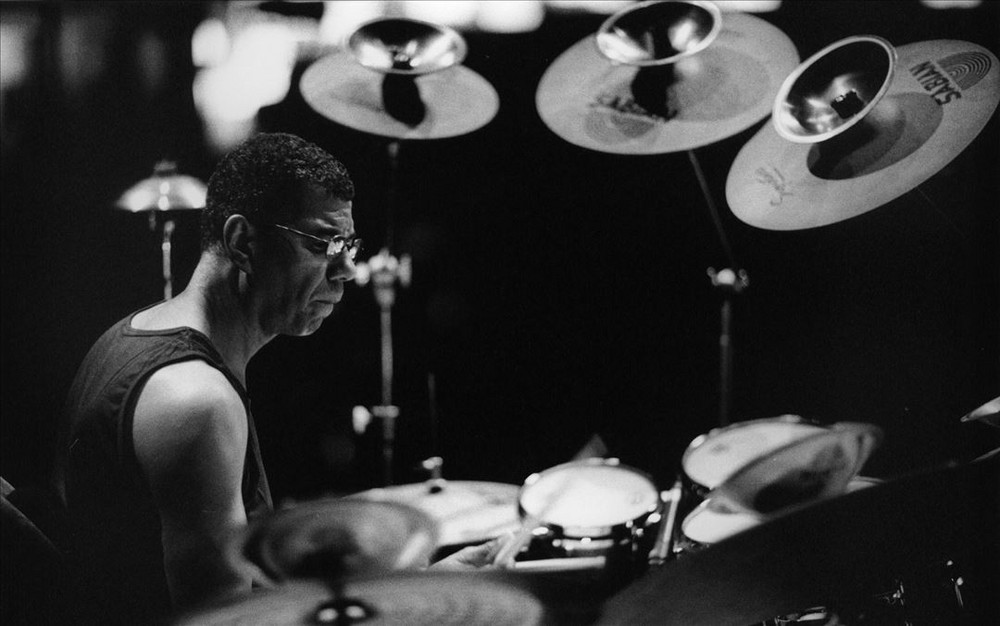 Jack DeJohnette
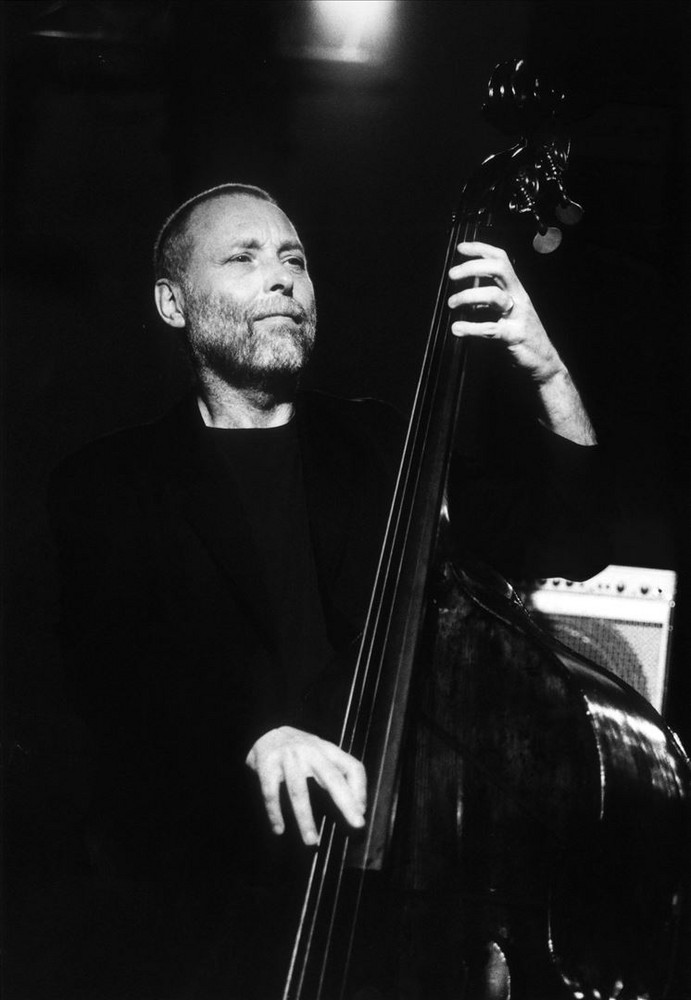 Dave Holland
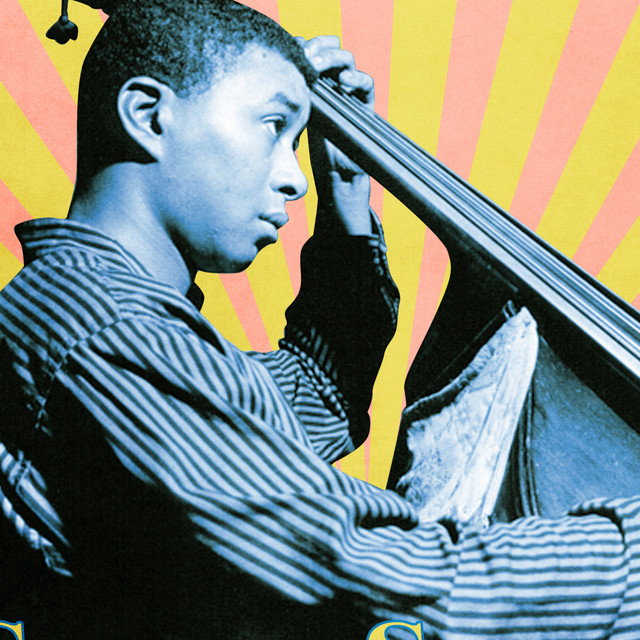 Paul Chambers
 Harish Raghavan
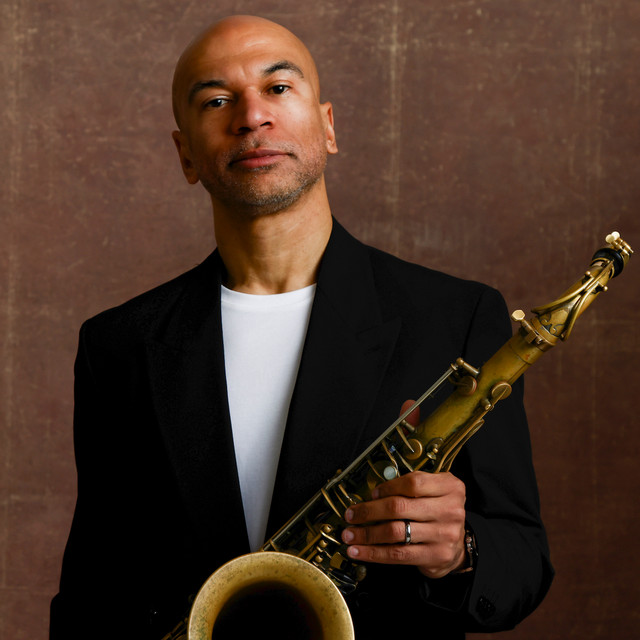 Walter Smith III