Joel Ross's Three Faces
Joel Ross
Episode:Apparently Not a Xylophone
The vibraphone is an instrument that begins to shimmer the instant it is struck. Joel Ross made that shimmer his weapon and debuted on Blue Note at 23. These three tracks let you hear Ross as a leader and Ross as a sideman called into Makaya McCraven's world. Same instrument, same person — completely different sounds.

The title track, dedicated to his mother. It opens as a 3/4 waltz and the whole band sways dreamlike. Then suddenly it collapses into free funk before quietly returning to the waltz. That structure — fall apart and come back — sounds like a musical portrait of a parent-child relationship that isn't only beautiful. 's alto saxophone is in constant dialogue with Ross's vibraphone throughout. These two are the same generation and appear on each other's records as close collaborators.
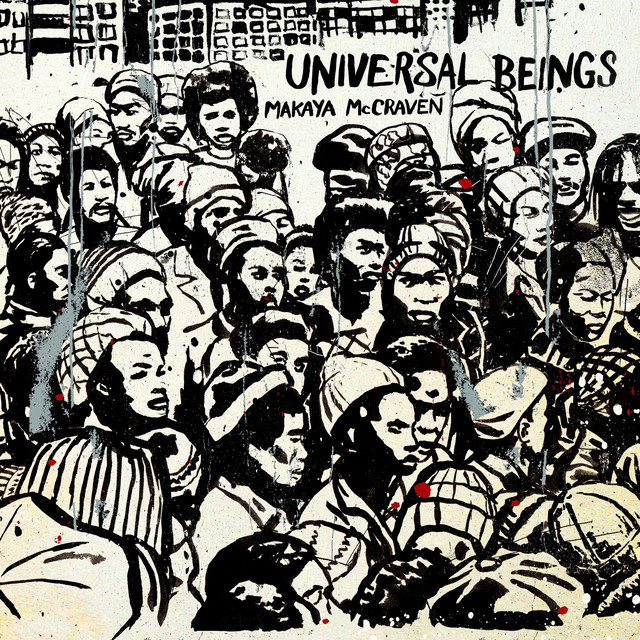
An album where recorded improvised sessions in four cities around the world and then reconstructed the beats afterward. Ross is on the NY Side. On KingMaker, Ross's vibraphone built the skeleton of the piece for six straight minutes; here he places notes into the gaps of McCraven's beat. He doesn't step forward. But the instant Ross's sound enters, the temperature of the air shifts.
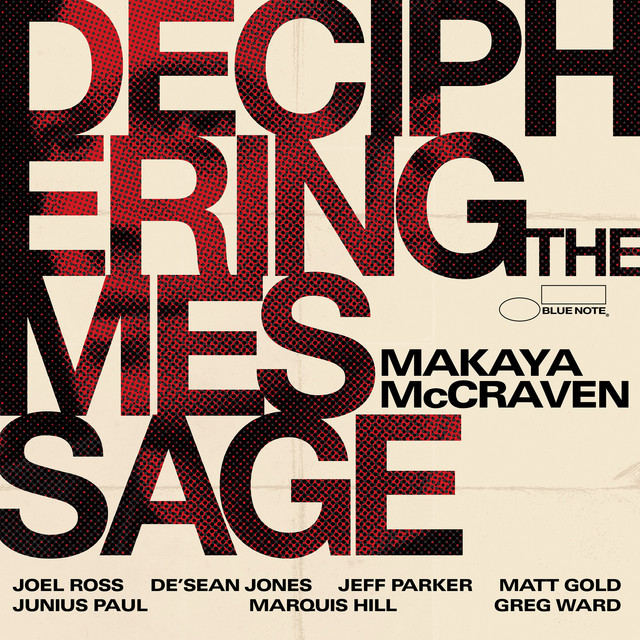
An album where pulled source material from Blue Note's back catalog and rebuilt it with his own band's playing layered on top. The original piece is the standard Autumn In New York, but passing through McCraven's hands it becomes a completely different song. participates here on vibraphone too, and you can hear moments where Ross's present self overlaps with Blue Note's history. Combined with Track 2, Ross was called into McCraven's projects twice. Being the musician someone wants to call back is itself a form of proof.