Wayne Shorter's albums
The Second Great Quintet of 1964–68. Each member had independent careers, but together they fundamentally reinvented how jazz treated time.
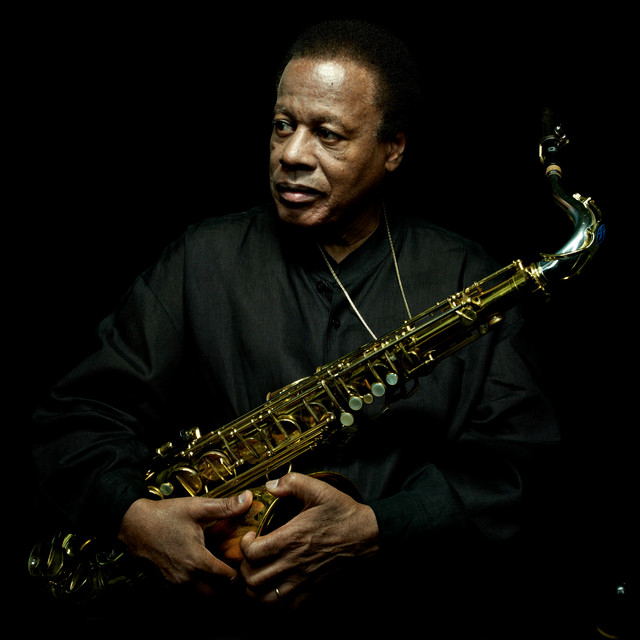
(1933–2023)
Newark, NJ, United States·New York University
One note and you know it's him — his tone is that singular. His melodies move in unpredictable directions, giving the sensation of walking through fog. He is also a genius composer, and the music he writes is continuous with the sound world he inhabits. One of the deepest figures in all of jazz.
Wayne Shorter's albums
The Second Great Quintet of 1964–68. Each member had independent careers, but together they fundamentally reinvented how jazz treated time.
The Jazz Messengers were called a 'school.' Blakey said bringing along young people was the jazz tradition — he launched Lee MorganLee Morganリー・モーガン, Wayne Shorter
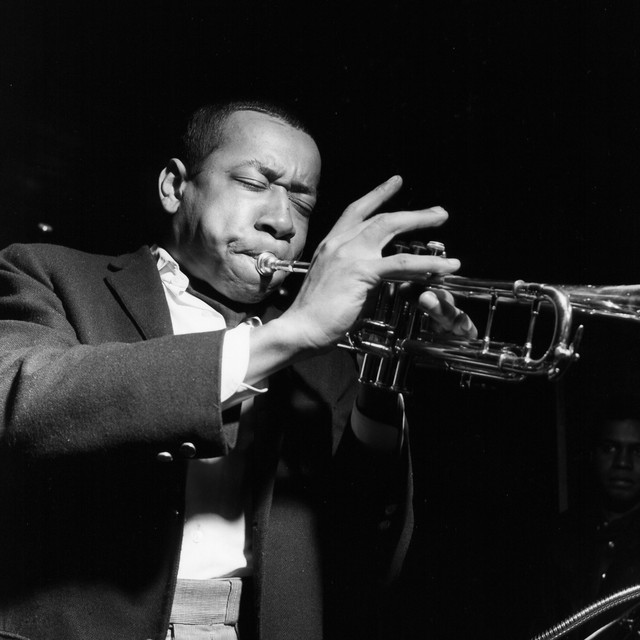
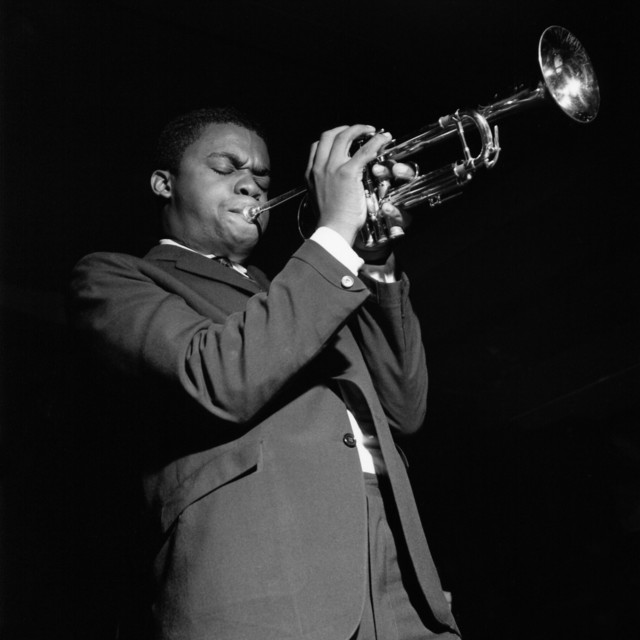
Wayne Shorterウェイン・ショーター, Freddie Hubbard
Freddie Hubbardフレディ・ハバード, and many more.
Wayne Shorter's leader album
The 1964–66 Blue Note period was when Wayne ShorterWayne Shorterウェイン・ショーター's compositional voice matured rapidly. On Night Dreamer
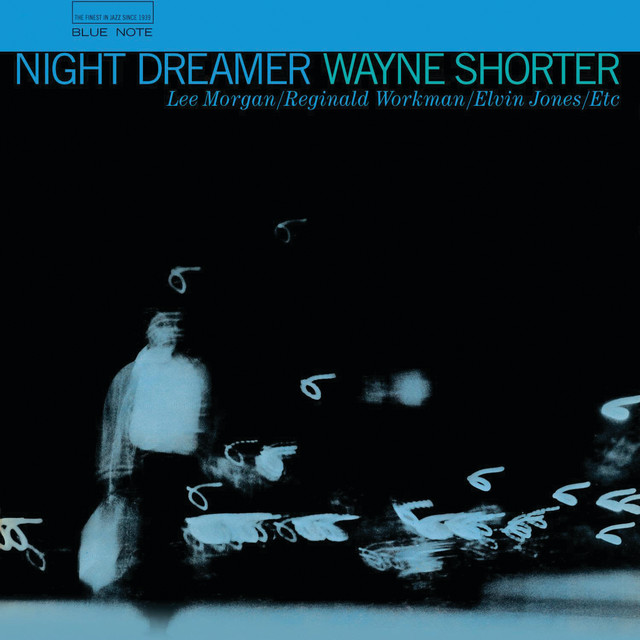
Night DreamerWayne Shorter · 1964 and Speak No Evil
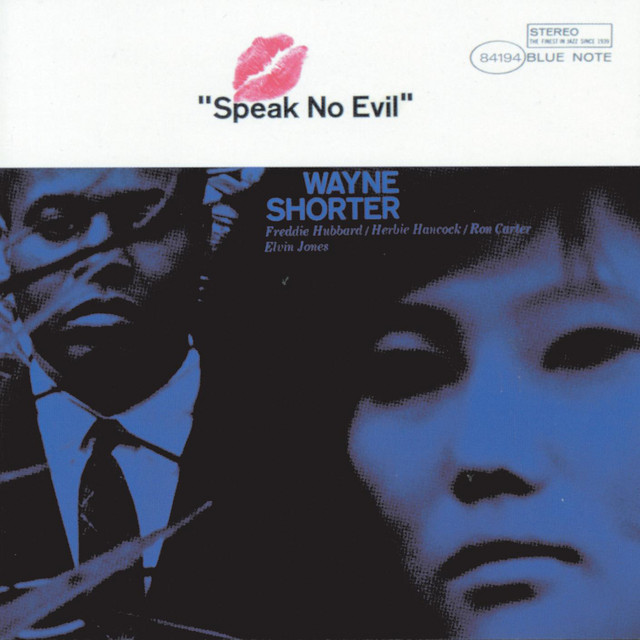
Speak No EvilWayne Shorter · 1966 he established his signature 'mysterious beauty' language. Lee Morgan
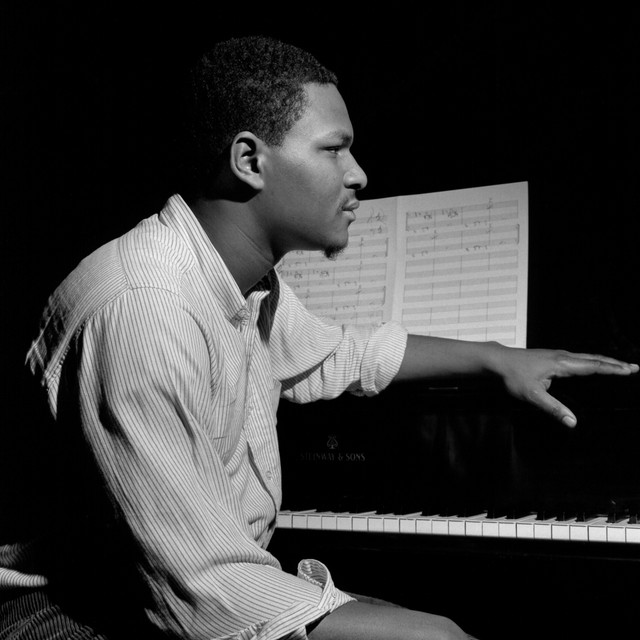
Lee Morganリー・モーガン, McCoy Tyner
McCoy Tynerマッコイ・タイナー, and Elvin Jones
Elvin Jonesエルヴィン・ジョーンズ brought it to life.
Wayne Shorter's videos
October 1967, Stockholm. One of the very few proper video documents of the Second Great Quintet. 'Agitation,' 'Footprints,' and ''Round Midnight' bleed into each other, and you can literally see how the four of them collectively own the time.
Wayne Shorter's videos
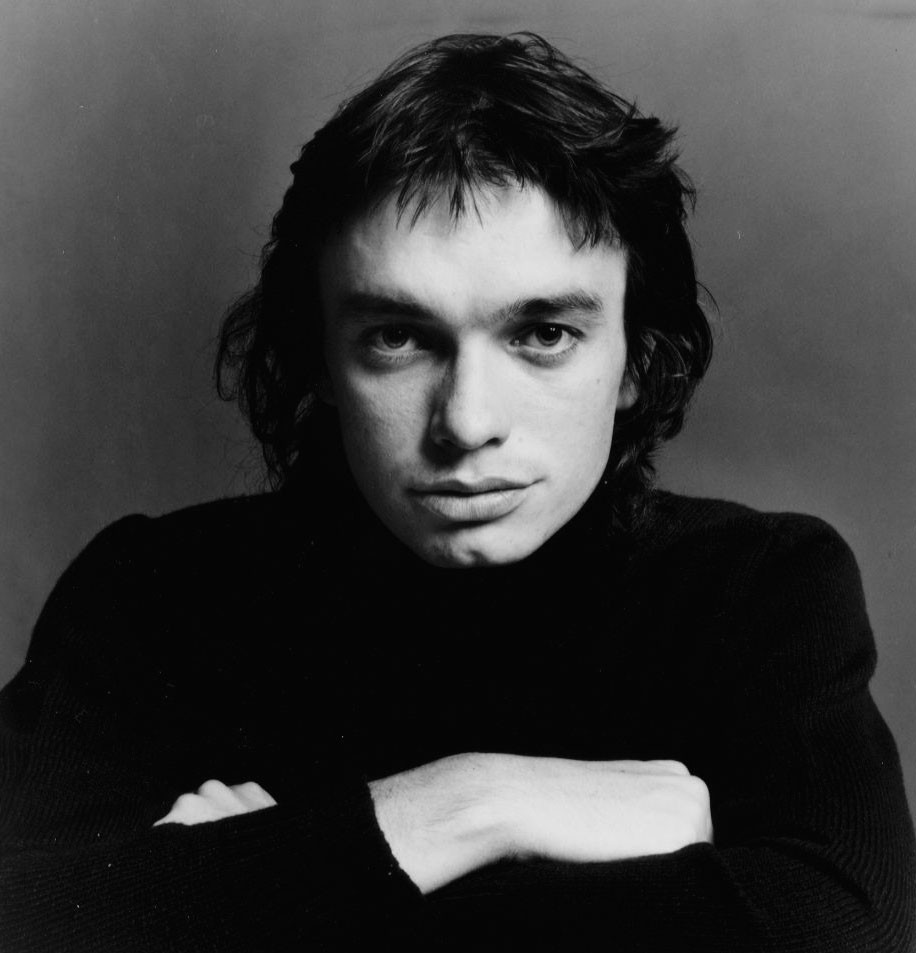
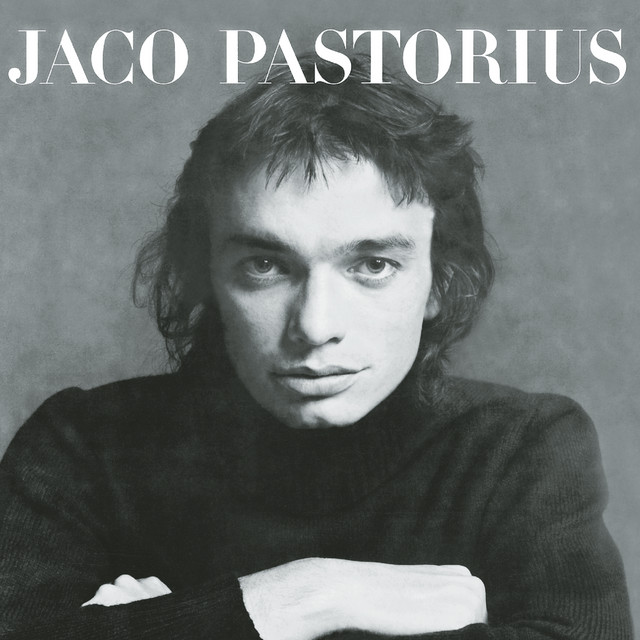
September 1978, WDR's Rockpalast. The complete Weather Report concert during Jaco PastoriusJaco PastoriusJaco Pastorius · 1976's tenure, including his solo feature — one of the most important fusion concert films.
Wayne Shorter's albums
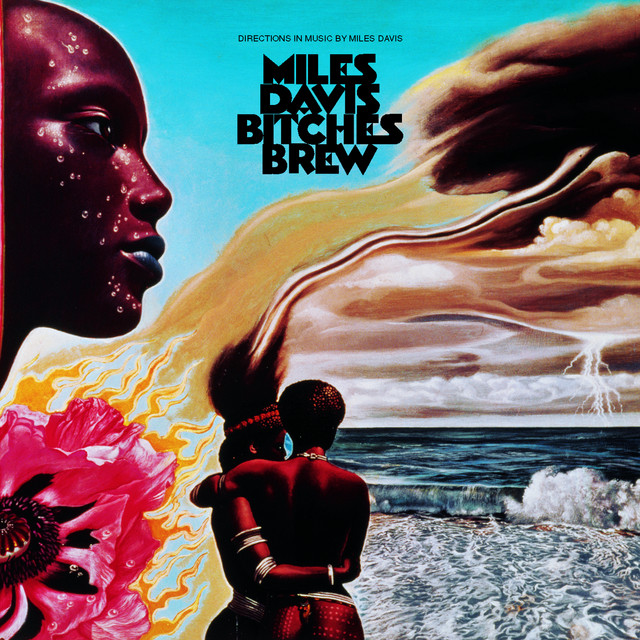
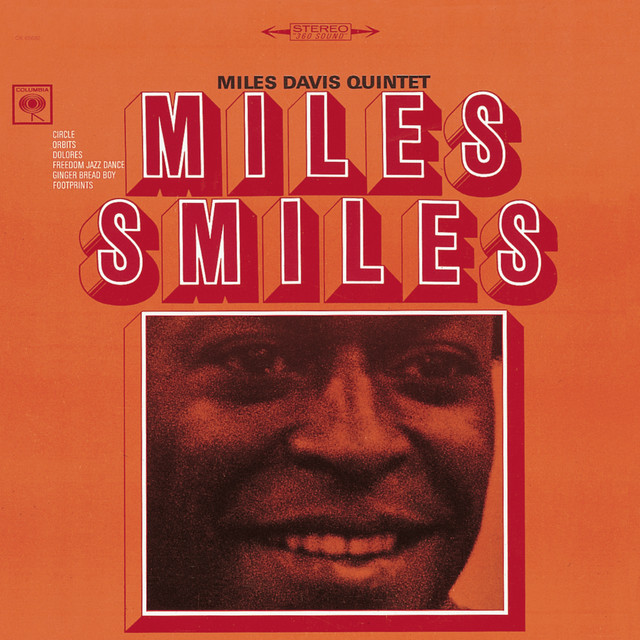
Miles DavisMiles Davisマイルス・デイヴィス gathered over twenty musicians in August 1969 and, paired with Teo Macero's tape editing, transformed jazz from "recorded performance" to "constructed recording." Bitches Brew
Bitches BrewMiles Davis · 1970 launched jazz-rock fusion.
Wayne Shorter's leader album
Speak No EvilSpeak No EvilWayne Shorter · 1966 (December 1964) is widely cited as Wayne Shorter
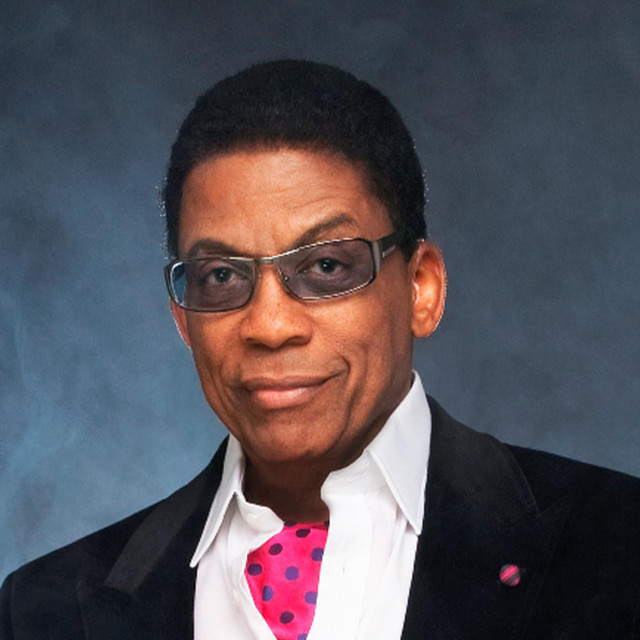
Wayne Shorterウェイン・ショーター's Blue Note masterpiece. Freddie Hubbard
Freddie Hubbardフレディ・ハバード in the front line, three Second Great Quintet members (Herbie Hancock
Herbie Hancockハービー・ハンコック, Ron Carter
Ron Carterロン・カーター), plus Elvin Jones
Elvin Jonesエルヴィン・ジョーンズ — a dream lineup.
— Footprints: The Life and Work of Wayne Shorter, Michelle Mercer, 2004
Wayne ShorterWayne Shorterウェイン・ショーター's most widely heard soprano saxophone may not be on a jazz album — it's his solo on Steely Dan's 'Aja' (1977). Donald Fagen and Walter Becker had tried another saxophonist but weren't satisfied, so they called in Shorter, then mid-tenure with Weather Report. He nailed the solo in two takes, creating one of the most celebrated saxophone moments in jazz-rock history.
Wayne Shorter said
"I write the questions. The band answers them."
Shorter's own description of his compositional style, said to Michelle Mercer about his contributions to Miles Davis's Second Great Quintet.
About Wayne Shorter
'the archbishop of players'
Miles's description of Wayne in his autobiography. The creative compass of the Second Great Quintet.
Weather Report album co-led by Wayne Shorter
Weather Report was built on the tension between Wayne ShorterWayne Shorterウェイン・ショーター's and Joe Zawinul
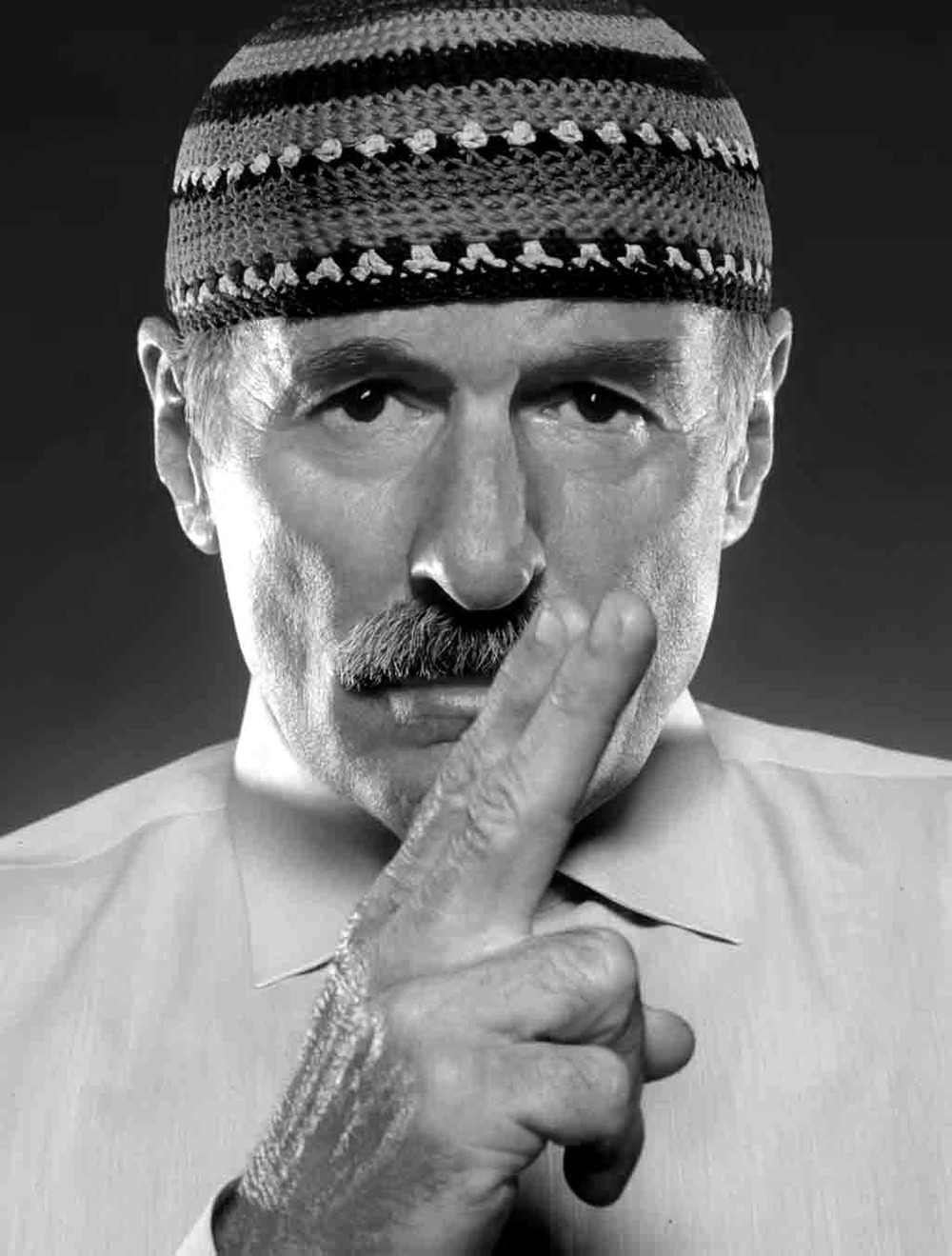
Joe Zawinulジョー・ザヴィヌル's opposite sensibilities. Zawinul controlled structure and groove; Shorter threaded unpredictable lines through the gaps.
Wayne Shorter's albums
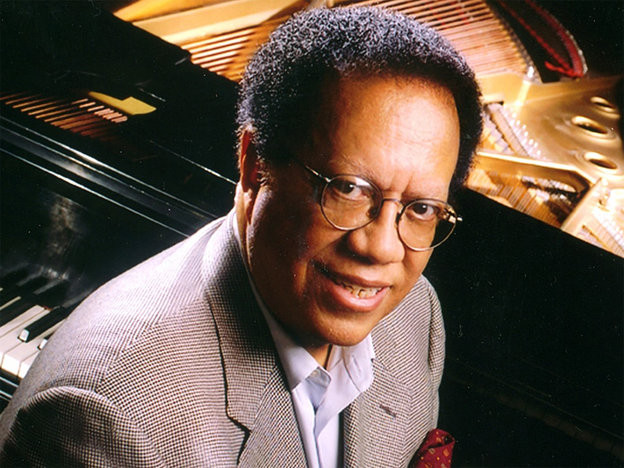
Reggie WorkmanReggie Workmanレジー・ワークマン was one of John Coltrane
John Coltraneジョン・コルトレーン's bassists in the early 1961 sessions before Jimmy Garrison
Jimmy Garrisonジミー・ギャリソン became the permanent member. He continued recording with Wayne Shorter
Wayne Shorterウェイン・ショーター and Art Blakey
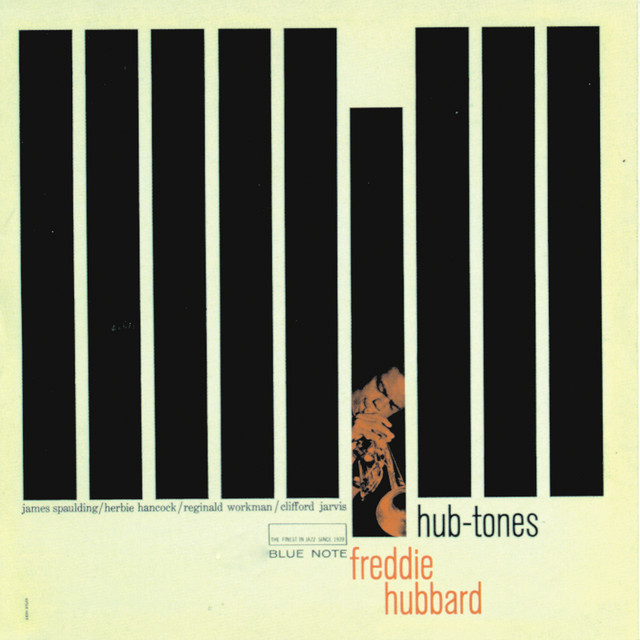
Art Blakeyアート・ブレイキー, remaining at the forefront of the avant-garde. On Hub-Tones
Hub-TonesFreddie Hubbard · 1962 he appeared alongside a young Herbie Hancock
Herbie Hancockハービー・ハンコック.
Wayne Shorter's videos
November 1959, Théâtre des Champs-Élysées, Paris. The Jazz Messengers with the Lee MorganLee Morganリー・モーガン / Wayne Shorter
Wayne Shorterウェイン・ショーター front line. A rare French TV broadcast capturing this lineup live.
Wayne Shorter's videos
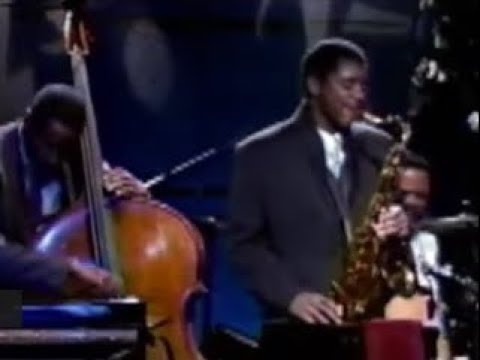
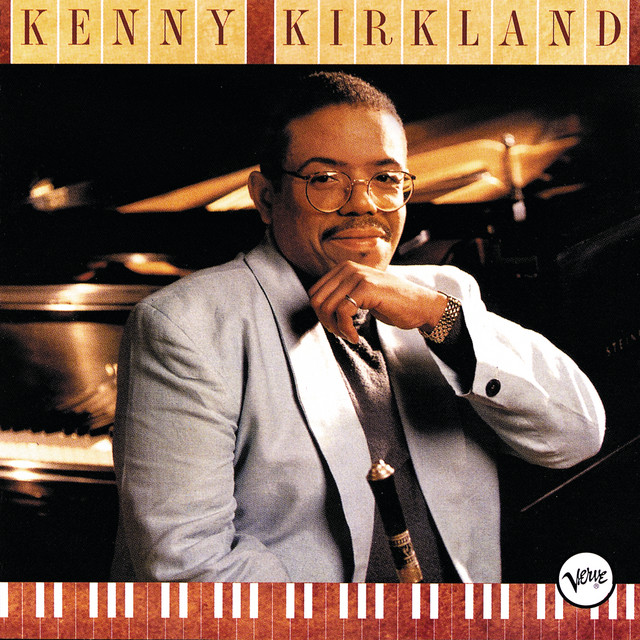
Branford MarsalisBranford Marsalisブランフォード・マルサリス Quartet performing Wayne Shorter
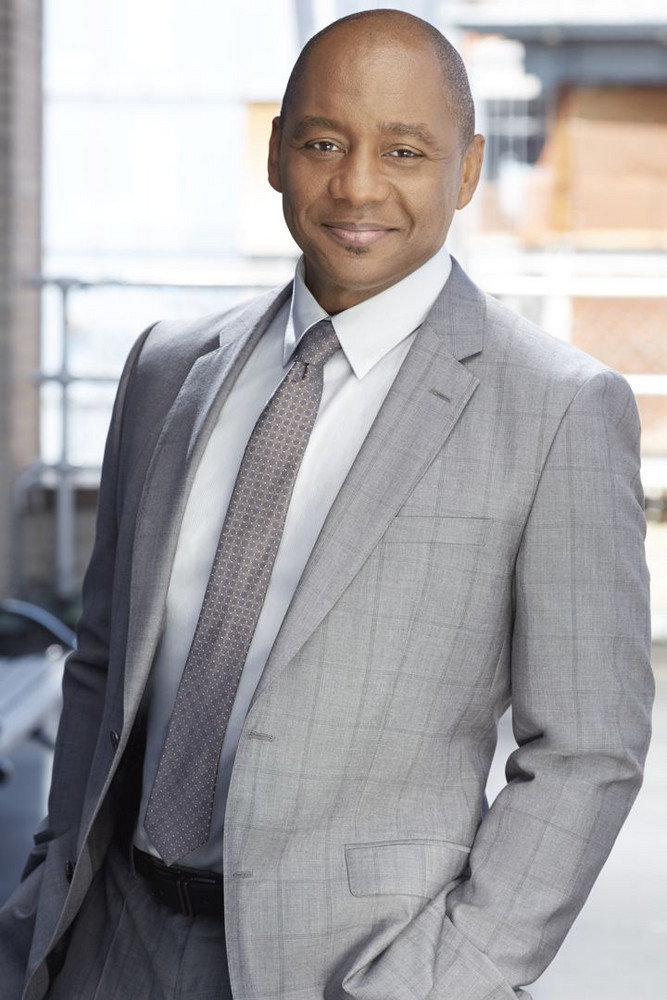
Wayne Shorterウェイン・ショーター's 'Yes Or No' live at The Bottom Line in 1989 during the Kenny KirklandKenny KirklandKenny Kirkland · 1991 years.
— Branford Marsalis Quartet - 'Yes Or No' Live at the Bottom Line 1989, 1989
Wayne Shorter's albums
E.S.P.E.S.P.Miles Davis · 1965 (1965) was the first studio album by Miles Davis
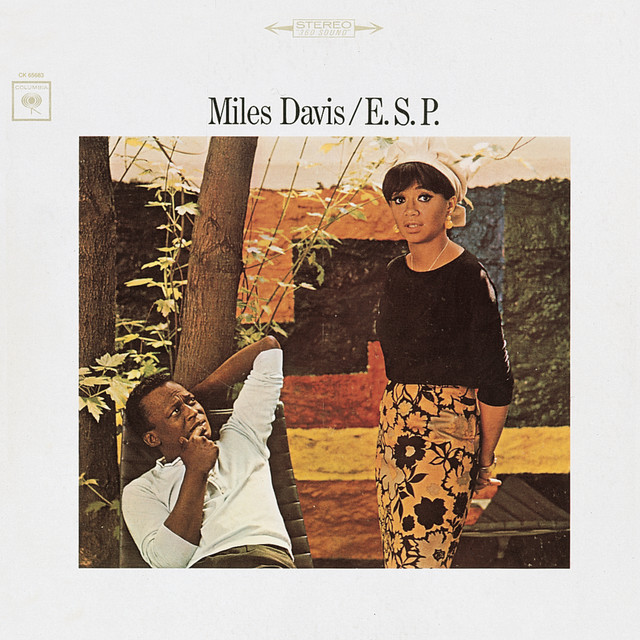
Miles Davisマイルス・デイヴィス's Second Great Quintet. Wayne Shorter
Wayne Shorterウェイン・ショーター emerged as music director, presenting a new compositional vocabulary on "Iris," "ESP," and others.
Wayne Shorter's albums
On the title track of NefertitiNefertitiMiles Davis · 1968 (1967), the Miles Davis
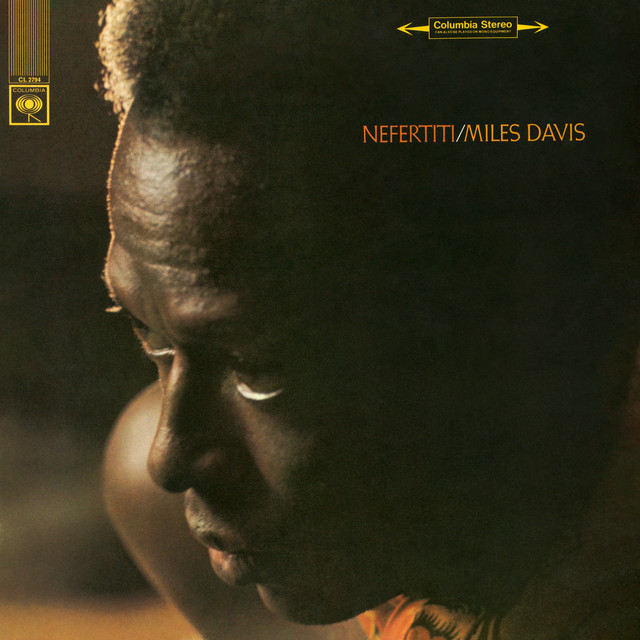
Miles Davisマイルス・デイヴィス/Wayne Shorter
Wayne Shorterウェイン・ショーター front line repeats a single melody while the rhythm section improvises around them — an inverted approach that was avant-garde for its time.
— Footprints: The Life and Work of Wayne Shorter, Michelle Mercer, 2004
Wayne Shorter's leader album
JuJuJuJuWayne Shorter · 1965 (1964) borrowed John Coltrane
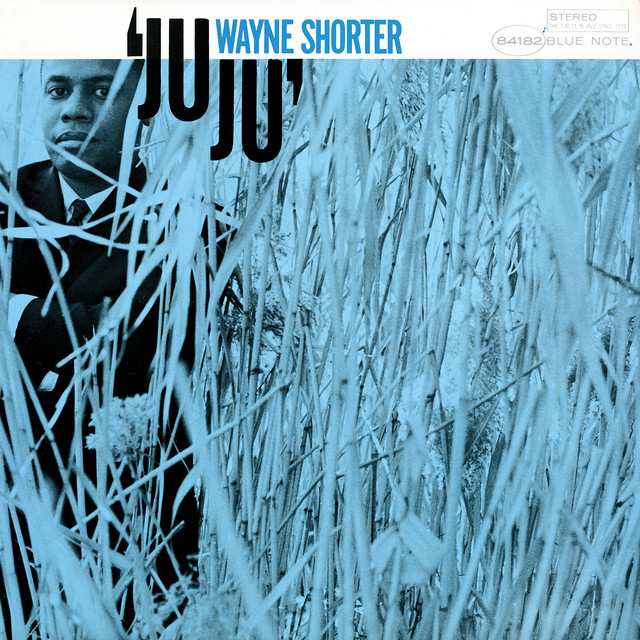
John Coltraneジョン・コルトレーン's golden quartet rhythm section (McCoy Tyner
McCoy Tynerマッコイ・タイナー, Elvin Jones
Elvin Jonesエルヴィン・ジョーンズ, Reggie Workman
Reggie Workmanレジー・ワークマン) for Wayne Shorter
Wayne Shorterウェイン・ショーター. Absorbing Coltrane's gravity, Shorter's distinct compositional voice emerged decisively.
— Footprints: The Life and Work of Wayne Shorter, Michelle Mercer, 2004
Weather Report album co-led by Wayne Shorter
Weather Report (1971–86), co-founded by Wayne ShorterWayne Shorterウェイン・ショーター, released over fifteen albums. Heavy Weather
Heavy WeatherWeather Report · 1977 (1977), made after Jaco Pastorius
Jaco Pastoriusジャコ・パストリアス joined, became their commercial pinnacle — its "Birdland" gave jazz-fusion mainstream traction.
— Footprints: The Life and Work of Wayne Shorter, Michelle Mercer, 2004
Wayne Shorter's albums
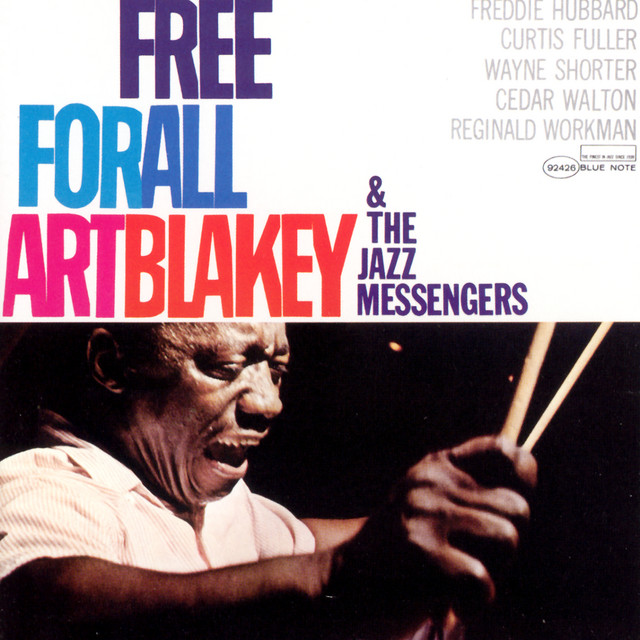
Recorded in October 1961, MosaicMosaicArt Blakey · 1961 inaugurated the six-piece Messengers with Freddie Hubbard
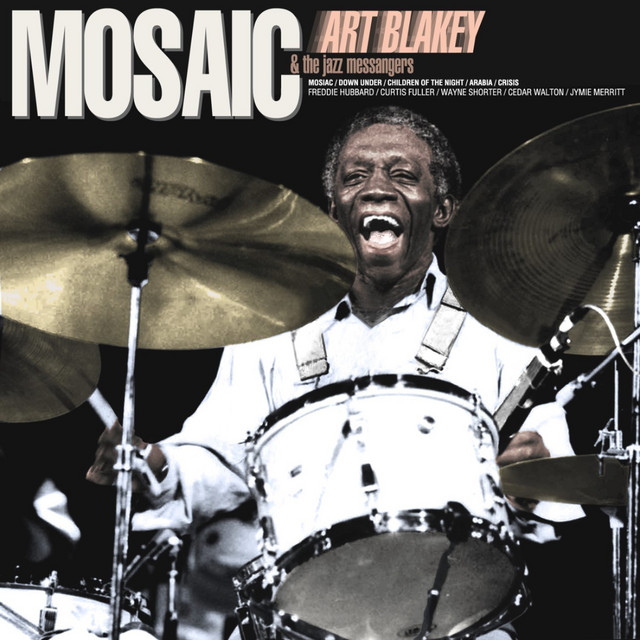
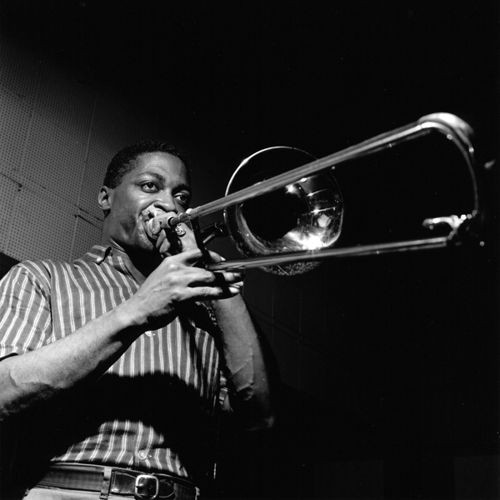
Freddie Hubbardフレディ・ハバード, Curtis Fuller
Curtis Fullerカーティス・フラー, Wayne Shorter
Wayne Shorterウェイン・ショーター, Cedar Walton
Cedar Waltonシダー・ウォルトン and Jymie Merritt. The three-horn front line opened a new chapter for the band.
Freddie HubbardFreddie Hubbardフレディ・ハバード served in Art Blakey
Art Blakeyアート・ブレイキー's Jazz Messengers from 1961 to 1964, forming a three-horn front line with Wayne Shorter
Wayne Shorterウェイン・ショーター and Curtis Fuller
Curtis Fullerカーティス・フラー. The Messengers experience shaped his discipline and range as a player.