Sonny Rollins (b. 1930) — Saxophone, Tenor Saxophone. Led Saxophone Colossus, Way Out West. Worked with Max Roach, Tommy Flanagan, Doug Watkins.
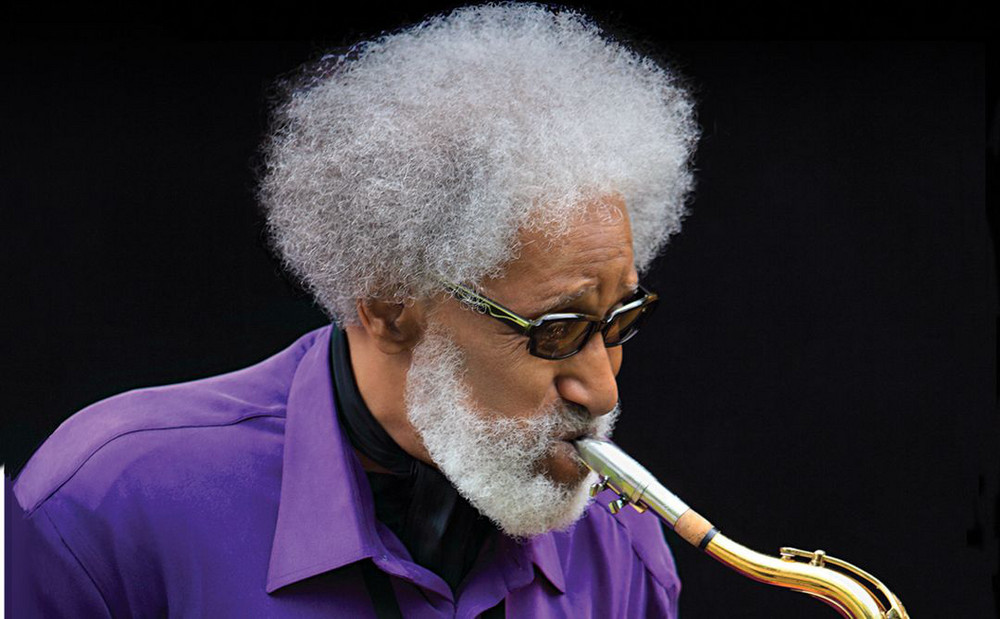
A sound so enormous you are surprised a tenor saxophone can produce it. In improvisation he spins stories phrase by phrase, as if composing a novel in real time. He plays with humor and wit — you never get bored. The Colossus of tenor, and the title fits.
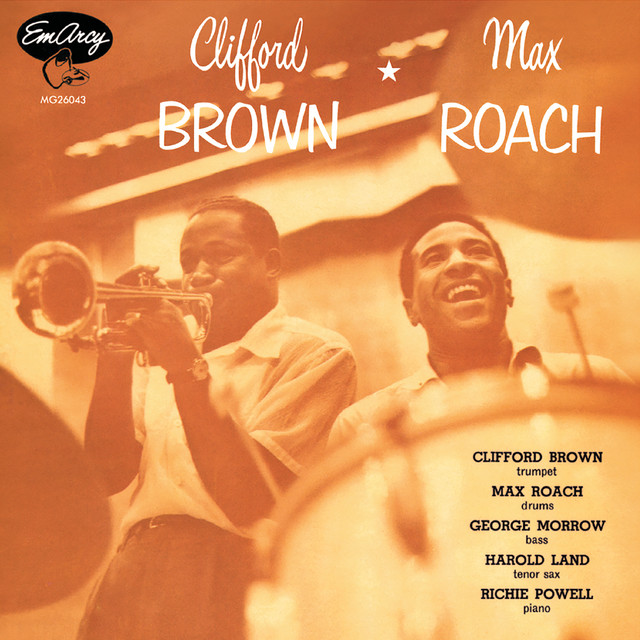
Clifford Brown & Max Roach Quintet album featuring Sonny Rollins
Clifford Brown and Max Roach
Clifford Brown & Max Roach Quintet · 1954
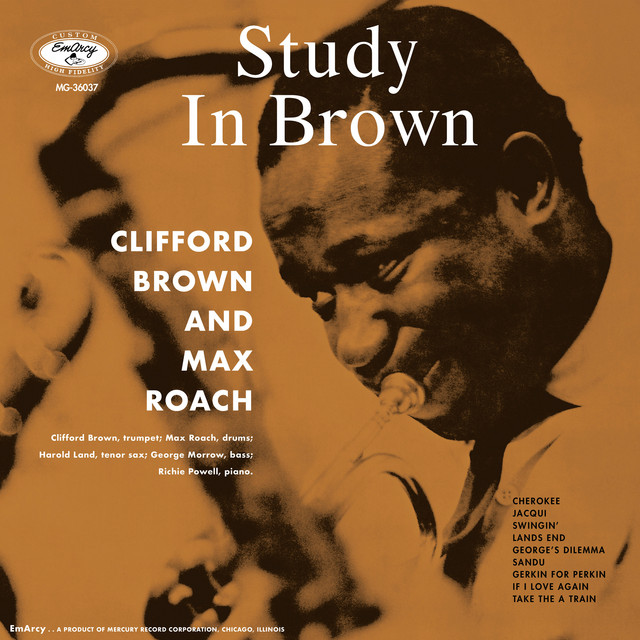
Study in Brown
Clifford Brown · 1955
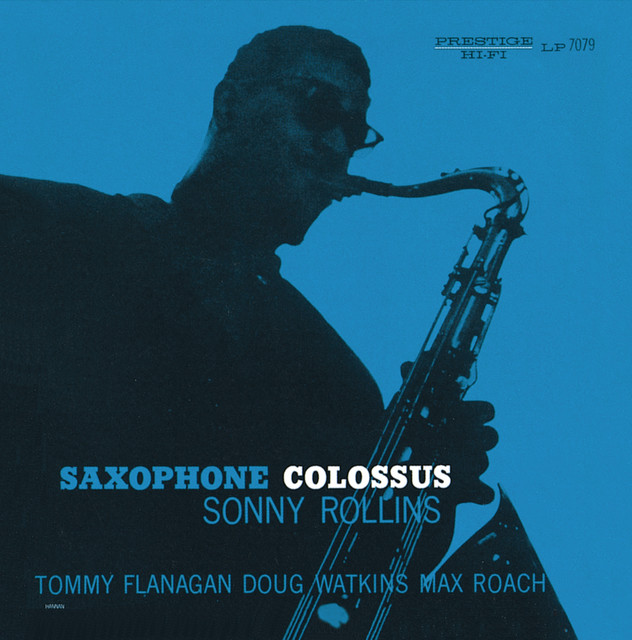
Saxophone Colossus
Sonny Rollins · 1956
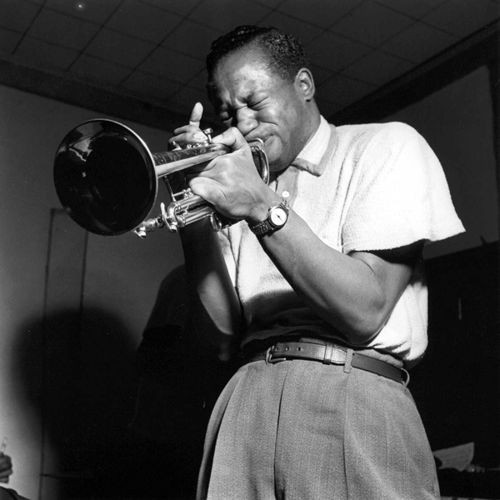
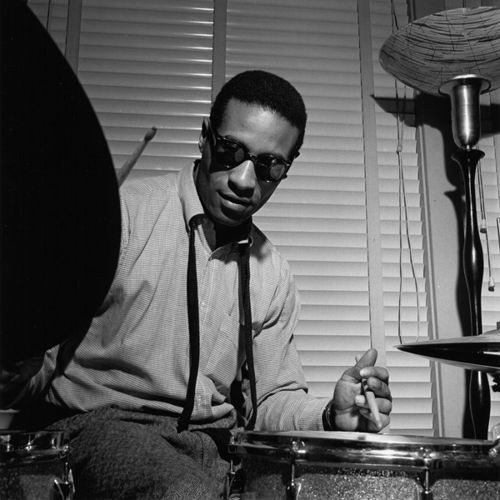
The 1954–56 Clifford BrownClifford Brownクリフォード・ブラウン-Max RoachMax Roachマックス・ローチ Quintet refined bebop's vocabulary to a peak of elegance. When Brownie died at 26 in 1956, the abrupt end left Rollins asking what to do next — a question that produced Saxophone ColossusSaxophone ColossusSonny Rollins · 1956.
Saxophone ColossusSaxophone ColossusSonny Rollins · 1956 (1956) was recorded in nearly one take. In dialogue with Max RoachMax Roachマックス・ローチ and Tommy FlanaganTommy Flanaganトミー・フラナガン, Rollins fused bebop, calypso, and blues into a single grammar. 'St. Thomas' derives from a Virgin Islands folk song — Rollins's ancestral home.
In 1981, Sonny RollinsSonny Rollinsソニー・ロリンズ played the saxophone solo on the Rolling Stones' "Waiting on a Friend" from Tattoo You. He initially refused — "I don't want to do any record with the Rolling Stones" — but his wife convinced him. When Mick Jagger asked how to direct him in the studio, Rollins said: "DANCE the part out." He followed the feel and nailed it.
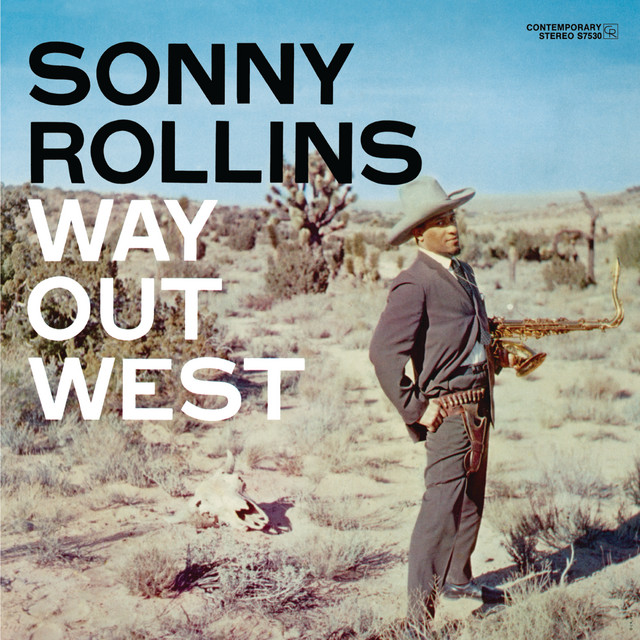
Way Out WestWay Out WestSonny Rollins · 1957 (1957) was Rollins's deliberate choice to go pianoles. Recorded in Los Angeles with West Coast heavyweights Ray Clifford BrownClifford Brownクリフォード・ブラウン and Shelly Manne. Without a chordal instrument, every line Rollins played was completely exposed.
From 1959 to 1961, at the height of his fame, Sonny RollinsSonny Rollinsソニー・ロリンズ withdrew from public performance and practiced alone on the Williamsburg Bridge. The legendary 'bridge sabbatical' remains one of jazz's most striking acts of self-criticism.
Sonny RollinsSonny Rollinsソニー・ロリンズ joined the Clifford BrownClifford Brownクリフォード・ブラウン/Max RoachMax Roachマックス・ローチ Quintet in late 1955, replacing Harold Land. Though cut short by Brown's fatal car accident in June 1956, the band dramatically expanded Rollins's improvisational vocabulary.
In a 1958 essay, critic Gunther Schuller analyzed Sonny RollinsSonny Rollinsソニー・ロリンズ's solos as 'thematic improvisation,' praising his fragmentation and organic development of motifs as a departure from bebop's chord-running orthodoxy.
In June 1956 Sonny RollinsSonny Rollinsソニー・ロリンズ recorded 'Saxophone Colossus' for Prestige. The duo-like exchange with Max RoachMax Roachマックス・ローチ on 'Blue 7' became the historic track Gunther Schuller chose for his landmark thematic-improvisation analysis.
 — Clifford Brown: The Life and Art of the Legendary Jazz Trumpeter, Nick Catalano, 2000