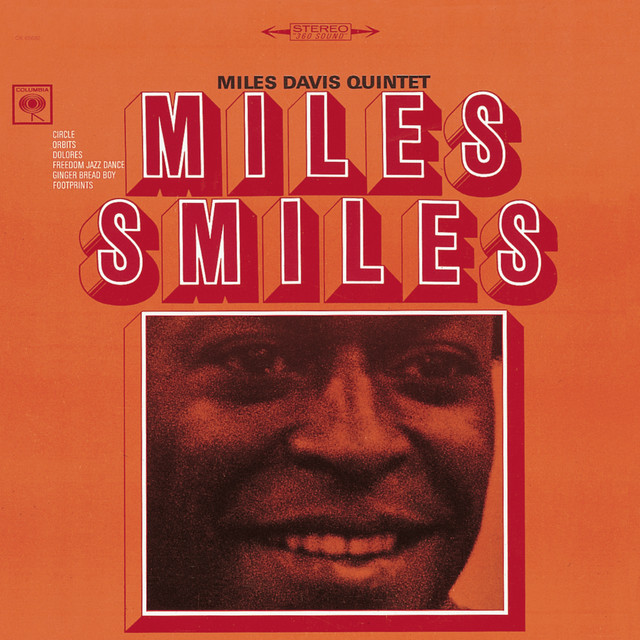
Ron Carter's albums
The Second Great Quintet of 1964–68. Each member had independent careers, but together they fundamentally reinvented how jazz treated time.

(1937–)
United States
Ron Carter (b. 1937) — Double Bass. Led Blues Farm, Finding The Right Notes. Worked with Herbie Hancock, Tony Williams, Wayne Shorter.
He has appeared on more than 2,500 albums — literally the most-recorded bassist in history. His tone is big and deep. He doesn't push forward, but remove him and everything collapses. Jazz pianists across every era name him as the bassist they most want to play with.
Ron Carter's albums
The Second Great Quintet of 1964–68. Each member had independent careers, but together they fundamentally reinvented how jazz treated time.
Ron Carter's videos
October 1967, Stockholm. One of the very few proper video documents of the Second Great Quintet. 'Agitation,' 'Footprints,' and ''Round Midnight' bleed into each other, and you can literally see how the four of them collectively own the time.
Ron Carter's albums
Speak No EvilSpeak No EvilWayne Shorter · 1966 (December 1964) is widely cited as Wayne Shorter
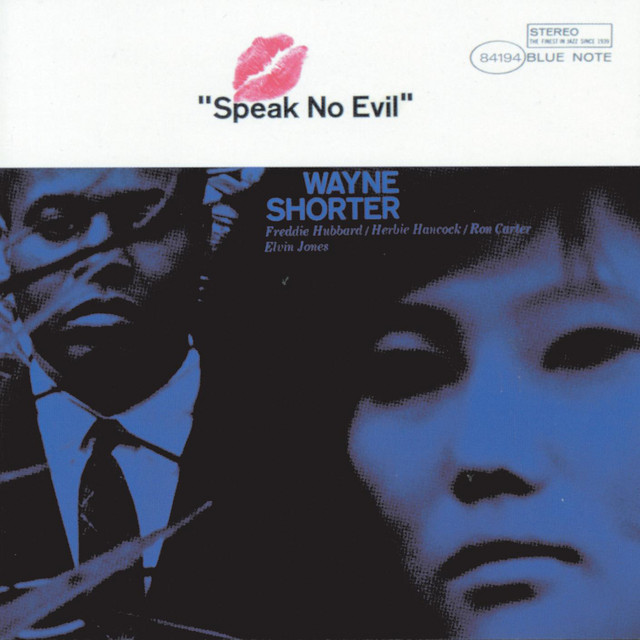
Wayne Shorterウェイン・ショーター's Blue Note masterpiece. Freddie Hubbard
Freddie Hubbardフレディ・ハバード in the front line, three Second Great Quintet members (Herbie Hancock
Herbie Hancockハービー・ハンコック, Ron Carter
Ron Carterロン・カーター), plus Elvin Jones
Elvin Jonesエルヴィン・ジョーンズ — a dream lineup.
— Footprints: The Life and Work of Wayne Shorter, Michelle Mercer, 2004
Ron Carter's videos
June 24, 1982, Village Vanguard. Freddie HubbardFreddie Hubbardフレディ・ハバード Quartet featuring Ron Carter
Ron Carterロン・カーター on bass. Freddie Hubbard
Freddie Hubbardフレディ・ハバード's trumpet carries the tension and lyricism of hard bop at its peak.
Ron CarterRon Carterロン・カーター holds the Guinness World Record as the most-recorded jazz bassist in history, with over 2,221 recording credits as of 2015. His tenure in Miles Davis
Miles Davisマイルス・デイヴィス's second great quintet (1963–68) remains the most celebrated chapter of his career.
Ron Carter's albums
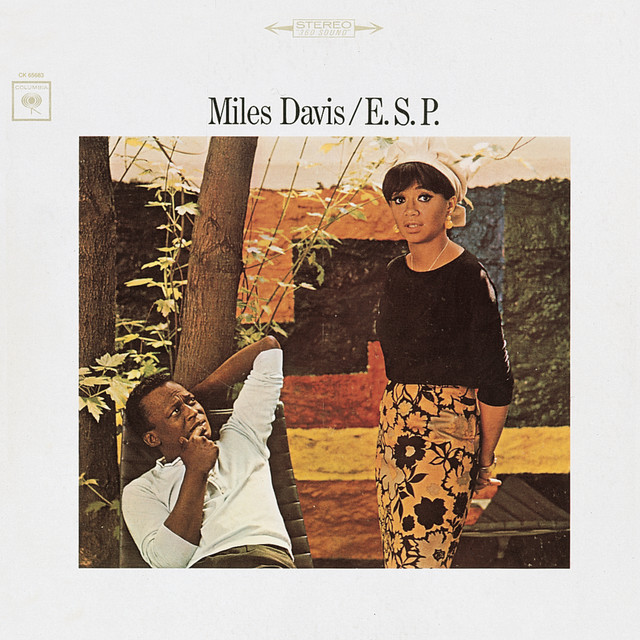
E.S.P.E.S.P.Miles Davis · 1965 (1965) was the first studio album by Miles Davis
Miles Davisマイルス・デイヴィス's Second Great Quintet. Wayne Shorter
Wayne Shorterウェイン・ショーター emerged as music director, presenting a new compositional vocabulary on "Iris," "ESP," and others.
Ron Carter's albums
On the title track of NefertitiNefertitiMiles Davis · 1968 (1967), the Miles Davis
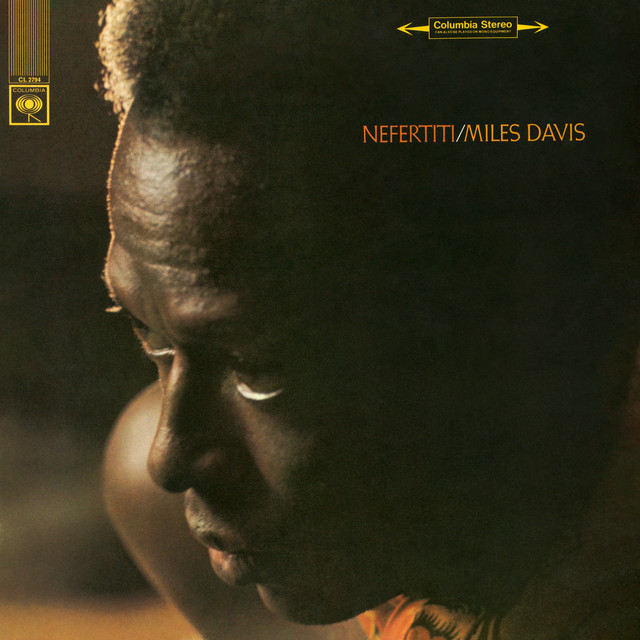
Miles Davisマイルス・デイヴィス/Wayne Shorter
Wayne Shorterウェイン・ショーター front line repeats a single melody while the rhythm section improvises around them — an inverted approach that was avant-garde for its time.
— Footprints: The Life and Work of Wayne Shorter, Michelle Mercer, 2004
Ron Carter's albums
Empyrean IslesEmpyrean IslesHerbie Hancock · 1964 (1964) was Herbie Hancock
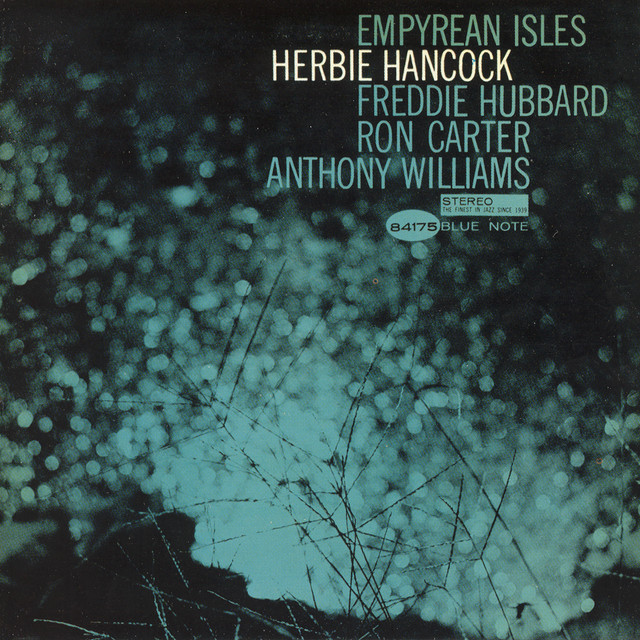
Herbie Hancockハービー・ハンコック's fourth Blue Note album, made at 25. Its "Cantaloupe Island" later became the basis for US3's sampling hit, spreading the tune well beyond the jazz canon.
Russell MaloneRussell Maloneラッセル・マローン was a founding member of Ron CarterRon Carterロン・カーター's Golden Striker Trio, modernizing the Oscar Peterson trio format alongside Mulgrew Miller
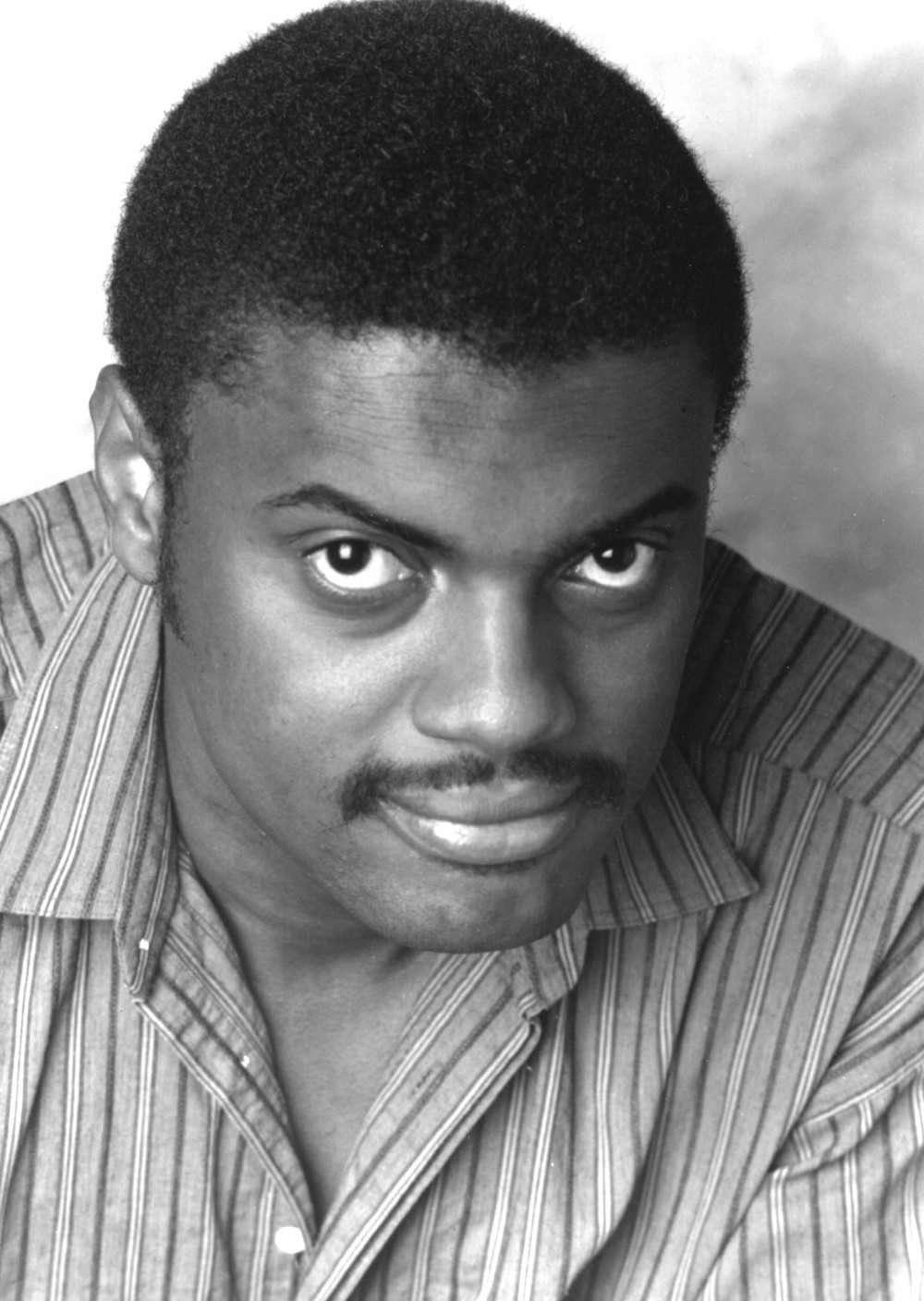
Mulgrew Millerマルグリュー・ミラー's piano. His comping is known for answering Carter's bass lines as dialogue rather than accompaniment.