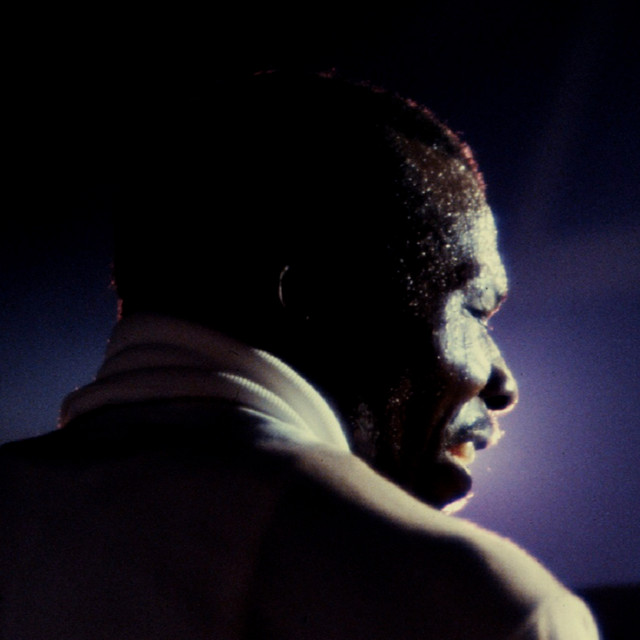
In November 1961, John ColtraneJohn Coltraneジョン・コルトレーン recorded a two-week residency at the Village Vanguard with an expanded group including Eric Dolphy and Reggie Workman
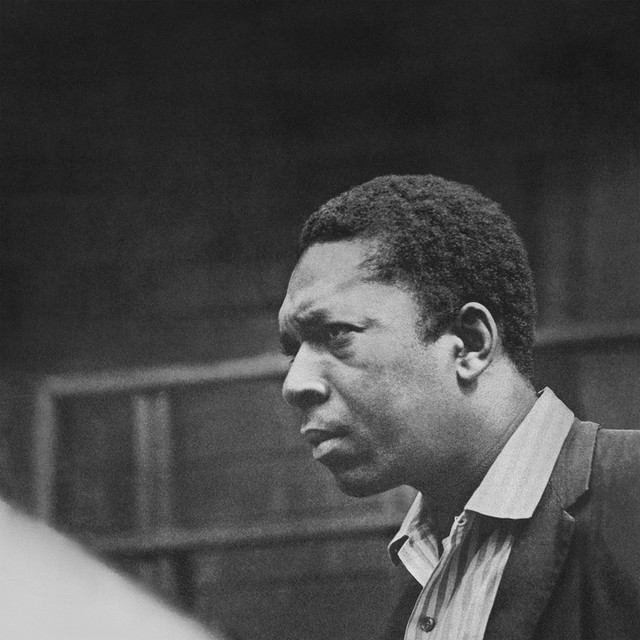
Reggie Workmanレジー・ワークマン, stretching out on "Chasin' the Trane." DownBeat called it "anti-jazz" — and it opened the door to free jazz.
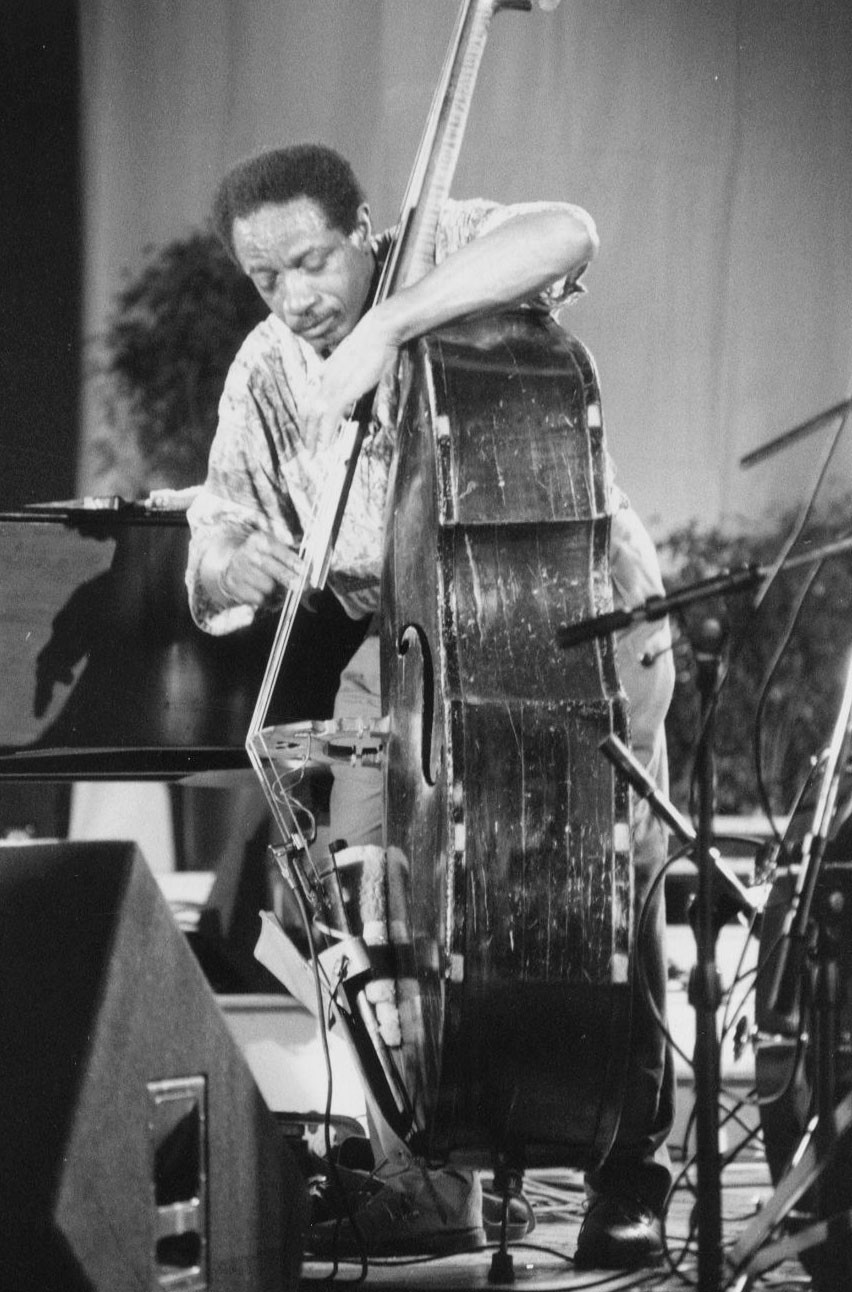
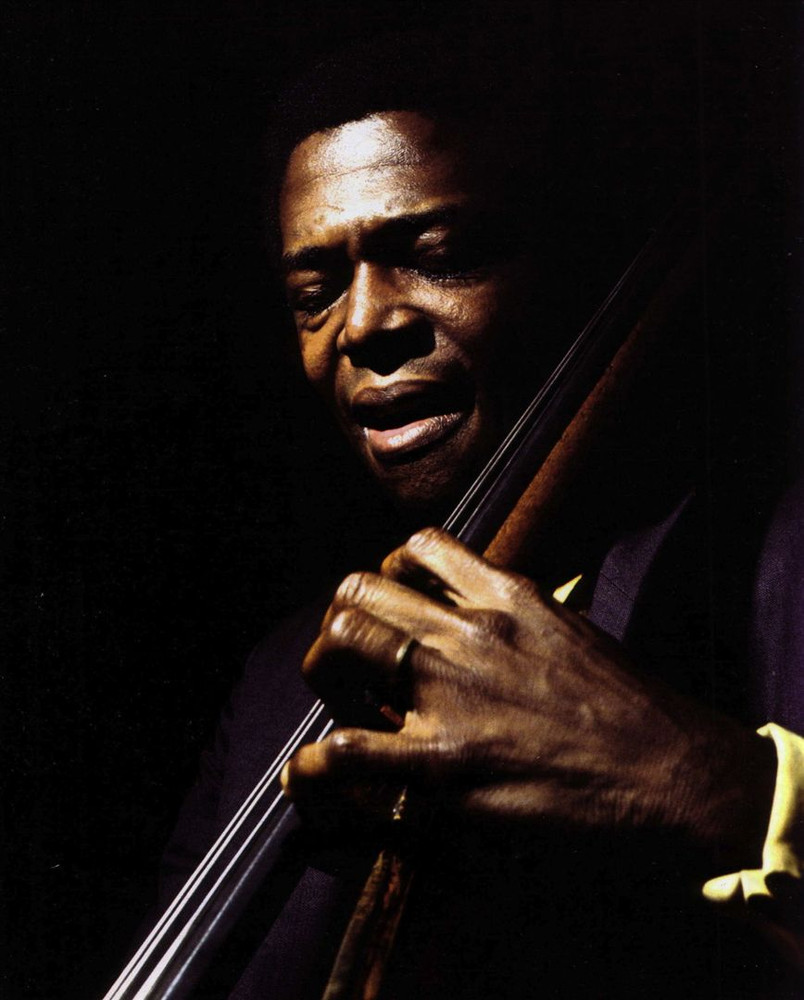
Reggie Workman
(1937–)
United States
Reggie Workman (b. 1937) — Double Bass. Played on Hub-Tones, Free for All, Night Dreamer. Worked with Wayne Shorter, McCoy Tyner, Elvin Jones.
Best known as a sideman in John Coltrane's early-1960s quartet, he has remained a vital force in avant-garde and creative jazz for over six decades.
Reggie Workman's albums
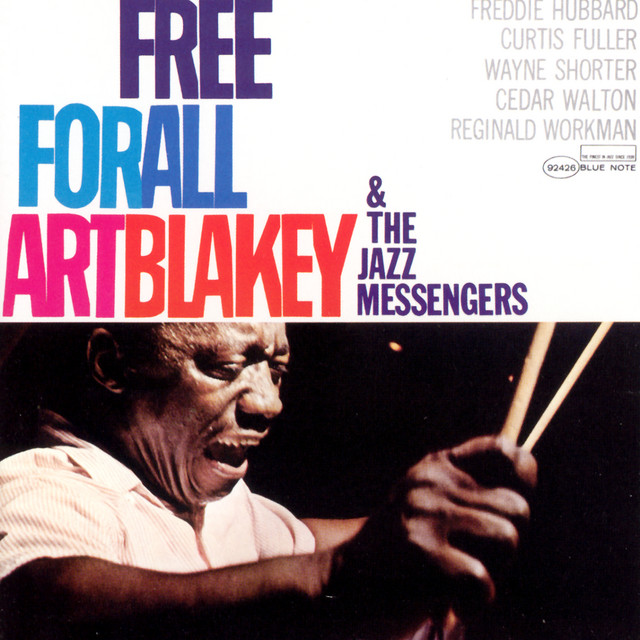
Reggie WorkmanReggie Workmanレジー・ワークマン was one of John Coltrane
John Coltraneジョン・コルトレーン's bassists in the early 1961 sessions before Jimmy Garrison
Jimmy Garrisonジミー・ギャリソン became the permanent member. He continued recording with Wayne Shorter
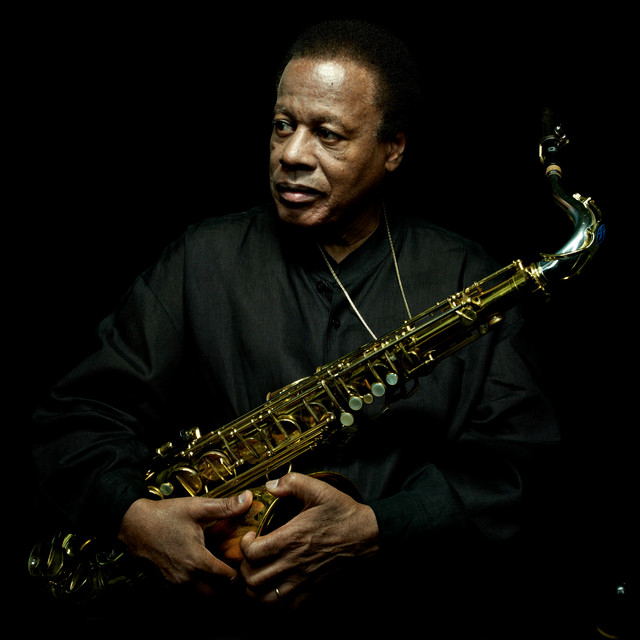
Wayne Shorterウェイン・ショーター and Art Blakey
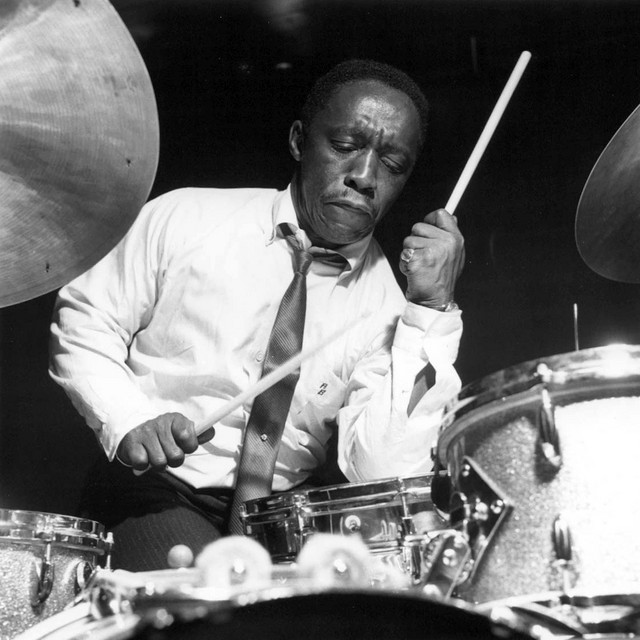
Art Blakeyアート・ブレイキー, remaining at the forefront of the avant-garde. On Hub-Tones
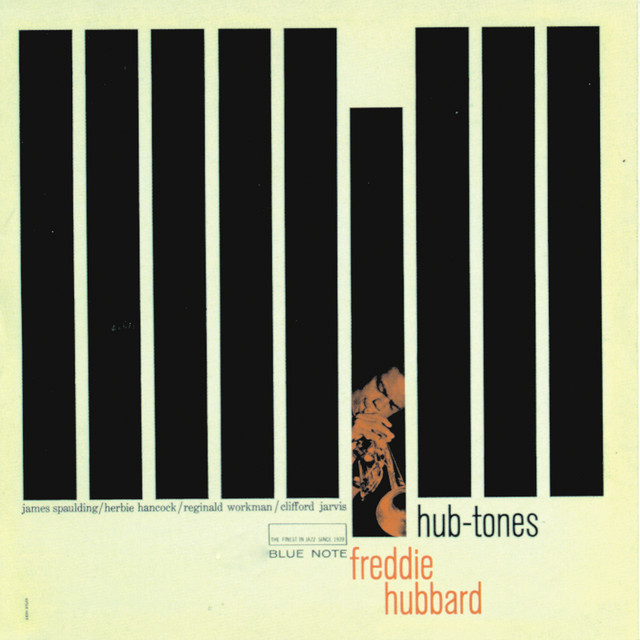
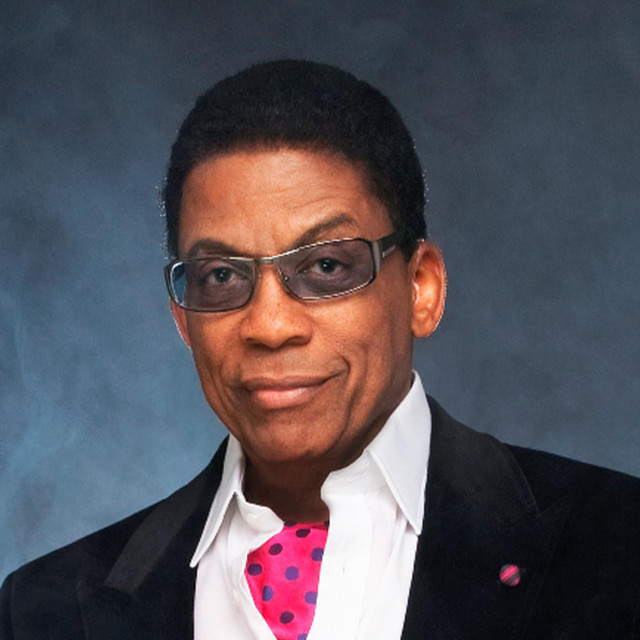
Hub-TonesFreddie Hubbard · 1962 he appeared alongside a young Herbie Hancock
Herbie Hancockハービー・ハンコック.
Reggie Workman's albums
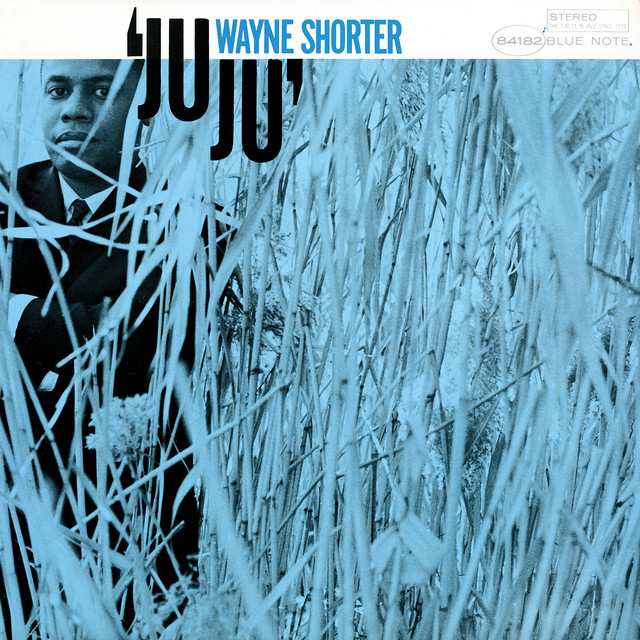
JuJuJuJuWayne Shorter · 1965 (1964) borrowed John Coltrane
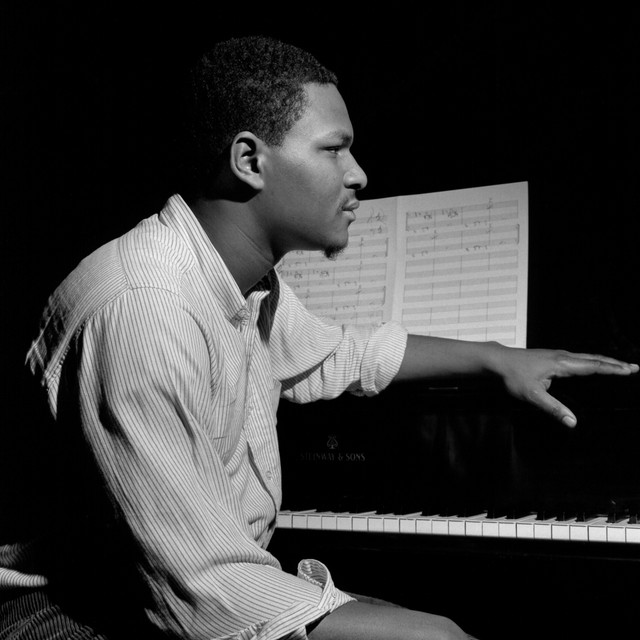
John Coltraneジョン・コルトレーン's golden quartet rhythm section (McCoy Tyner
McCoy Tynerマッコイ・タイナー, Elvin Jones
Elvin Jonesエルヴィン・ジョーンズ, Reggie Workman
Reggie Workmanレジー・ワークマン) for Wayne Shorter
Wayne Shorterウェイン・ショーター. Absorbing Coltrane's gravity, Shorter's distinct compositional voice emerged decisively.
— Footprints: The Life and Work of Wayne Shorter, Michelle Mercer, 2004