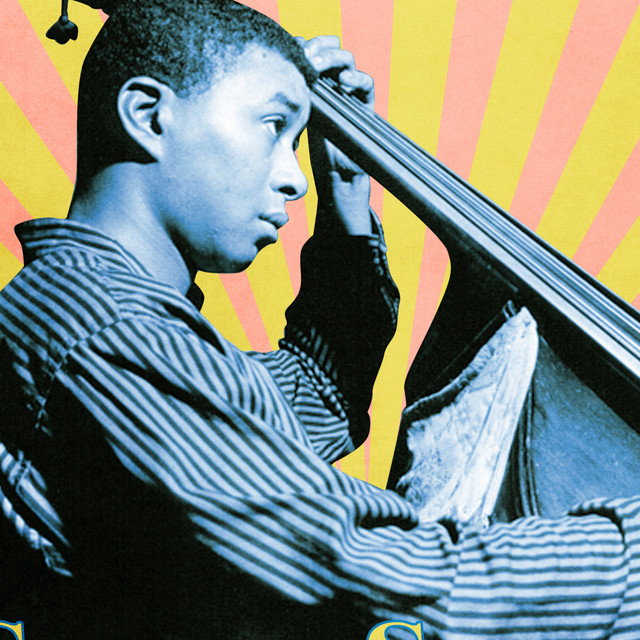
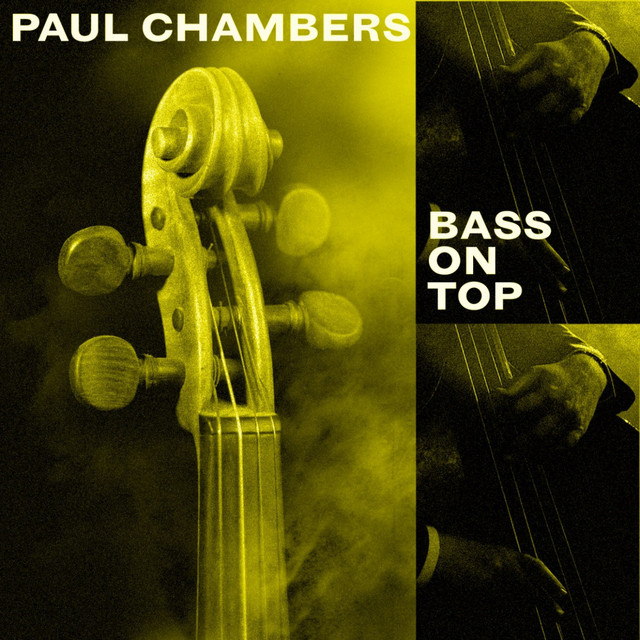
Paul Chambers (1935–1969) — Double Bass. Led Bass on Top. Worked with John Coltrane, Art Taylor, Red Garland.
The textbook of walking bass. He moves smoothly and steadily, never rushes, never falters. He was the anchor of Miles Davis's band through the 1950s. His arco (bowed) solos, where he plays the bass like a cello, remain some of the most striking sounds in jazz.
Paul Chambers's albums
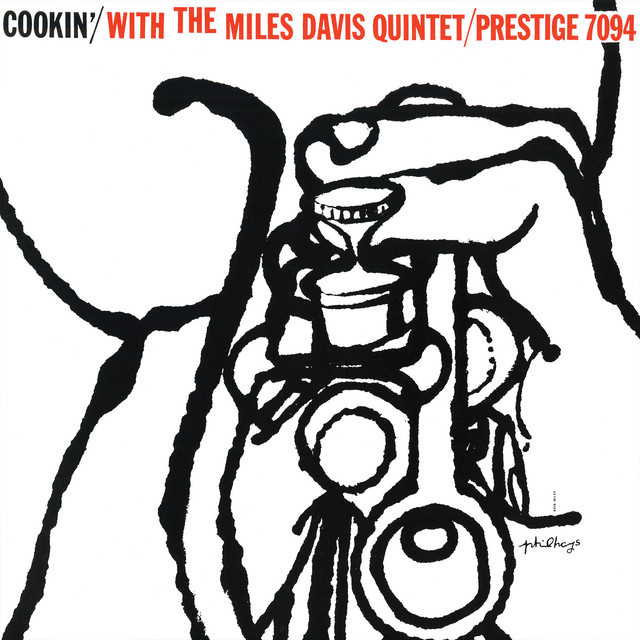
Cookin' with the Miles Davis Quintet
Miles Davis · 1957
In two marathon sessions in May and October 1956, MilesMiles Davisマイルス・デイヴィス recorded enough material for four Prestige albums in two days. He was about to move to Columbia — fulfilling a contract obligation — but what remained was some of the most essential jazz ever captured.
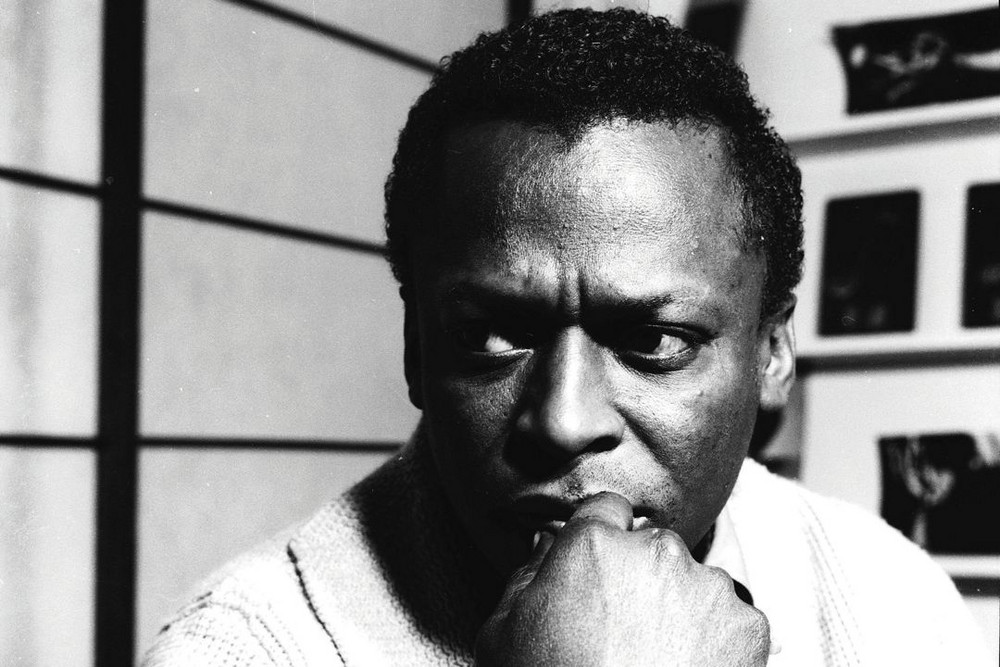
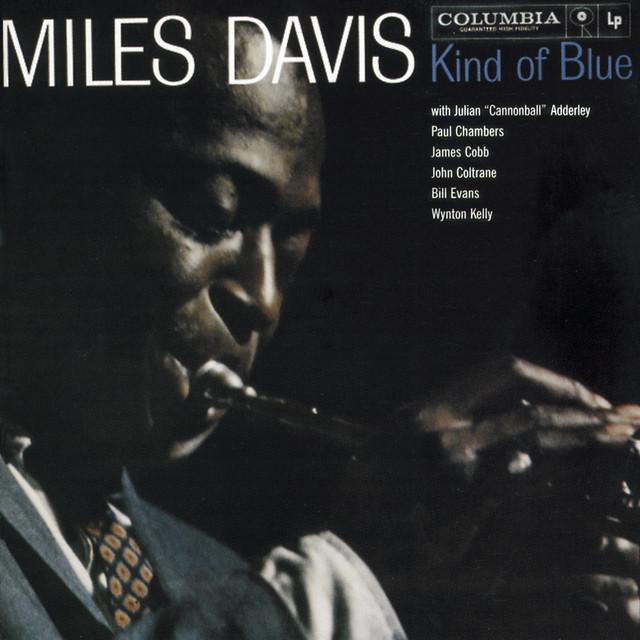
Kind of BlueKind of BlueMiles Davis · 1959 (1959) was recorded almost entirely at sight. MilesMiles Davisマイルス・デイヴィス showed musicians only the skeletal structures beforehand — no one knew what they were playing until the day. Bill EvansBill Evansビル・エヴァンス's liner notes defined how to hear the record.
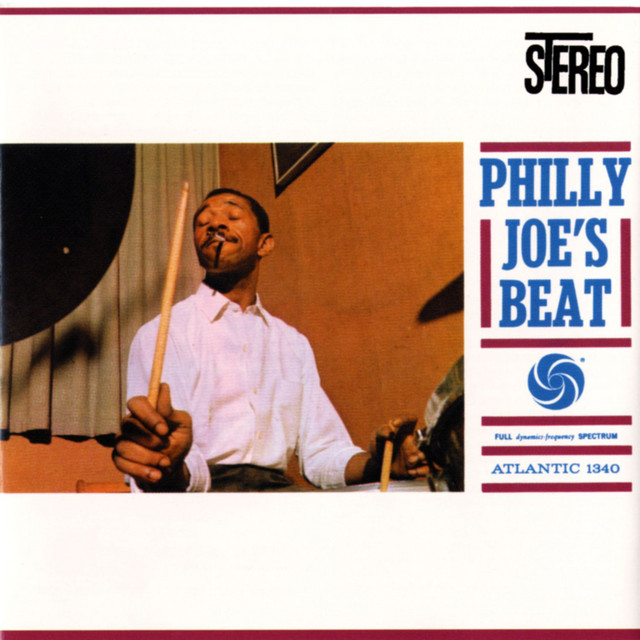
Paul ChambersPaul Chambersポール・チェンバース was called for nearly every important Blue Note session in the late 1950s. His triangle with Red GarlandRed Garlandレッド・ガーランド and Philly Joe JonesPhilly Joe Jonesフィリー・ジョー・ジョーンズ defined the hard bop rhythm section. Coltrane named one of his most famous compositions 'Mr. P.C.' after him.
In just two days (May and October 1956), Miles DavisMiles Davisマイルス・デイヴィス's quintet marathon-recorded four albums including Cookin' with the Miles Davis QuintetCookin' with the Miles Davis QuintetMiles Davis · 1957. Squeezed between his Prestige contract ending and his Columbia move, those sessions became hard bop's reference point.
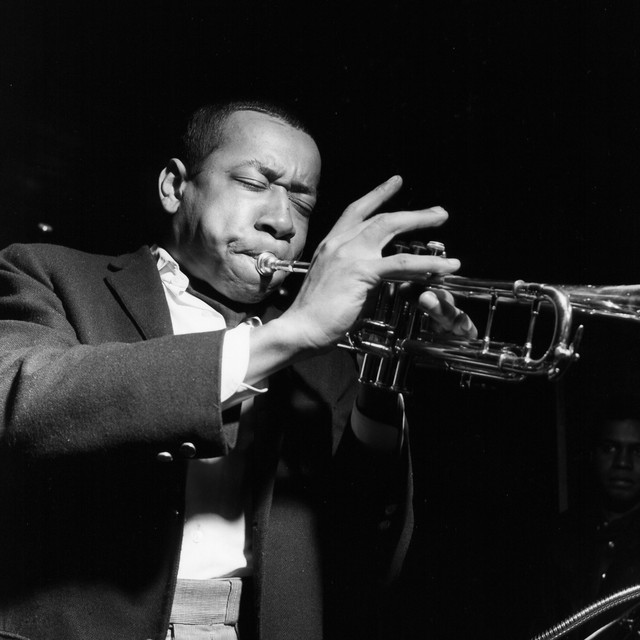
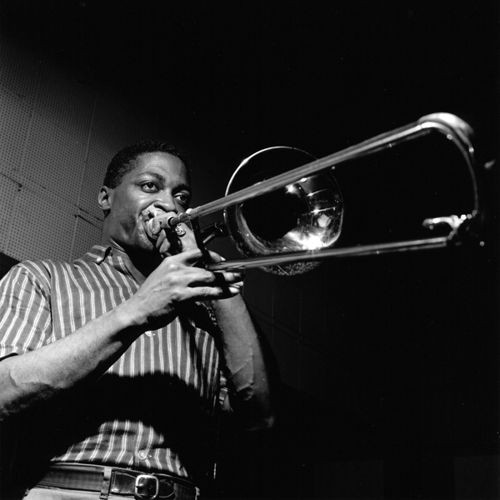
Blue Train (1957) was John ColtraneJohn Coltraneジョン・コルトレーン's sole Blue Note album. With a three-horn front line including Lee MorganLee Morganリー・モーガン and Curtis FullerCurtis Fullerカーティス・フラー, it captured his hard-bop side just before he systematized "sheets of sound."
Paul ChambersPaul Chambersポール・チェンバース was a pioneer of arco (bowed) bass in modern jazz. The famous fourths motif that opens 'So What' on Kind of BlueKind of BlueMiles Davis · 1959 is a brief duet between Chambers and Bill Evans on piano — helping to inaugurate modal jazz when Chambers was just 24.
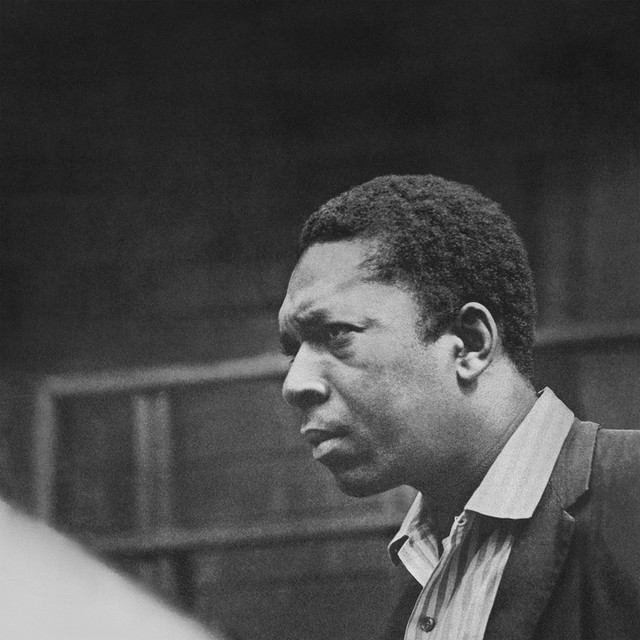
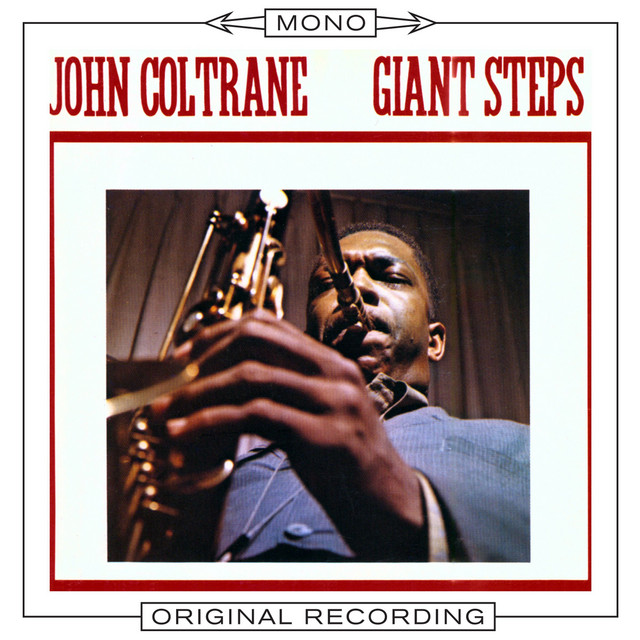
John ColtraneJohn Coltraneジョン・コルトレーン dedicated the blues 'Mr. P.C.' on his 1959 album Giant StepsGiant StepsJohn Coltrane · 1960 to Paul ChambersPaul Chambersポール・チェンバース. The tune was both a tribute to a peerless bassist and a thank-you to a comrade from the Miles Davis quintet years.
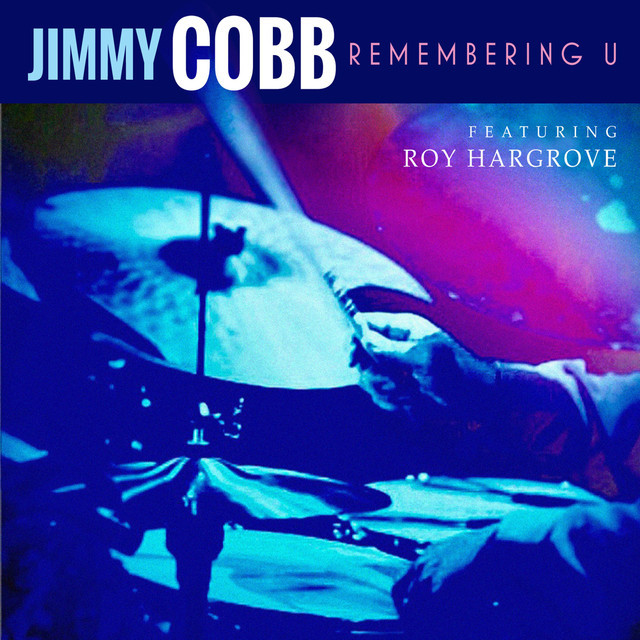
From 1958 to 1962, Jimmy CobbJimmy Cobbジミー・コブ was Miles DavisMiles Davisマイルス・デイヴィス's regular drummer. After the quintet dissolved, he formed the Wynton Kelly Trio with Wynton KellyWynton Kellyウィントン・ケリー and Paul ChambersPaul Chambersポール・チェンバース, carrying on the standard for hard-bop rhythm sections.
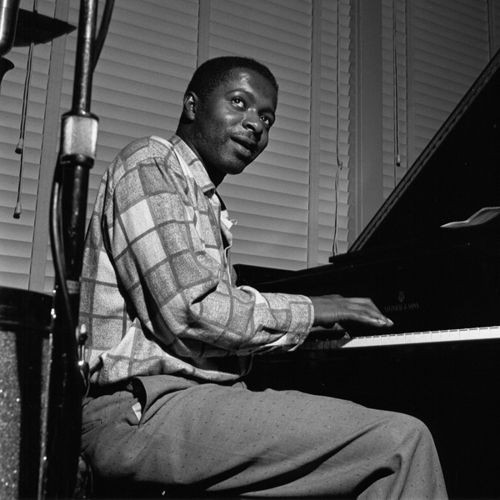
After Miles DavisMiles Davisマイルス・デイヴィス's quintet dissolved, Wynton KellyWynton Kellyウィントン・ケリー formed the Wynton Kelly Trio with Paul ChambersPaul Chambersポール・チェンバース and Jimmy CobbJimmy Cobbジミー・コブ. As the rhythm section on Wes Montgomery's 1965 Smokin' at the Half Note, they left a defining model of the hard-bop trio.