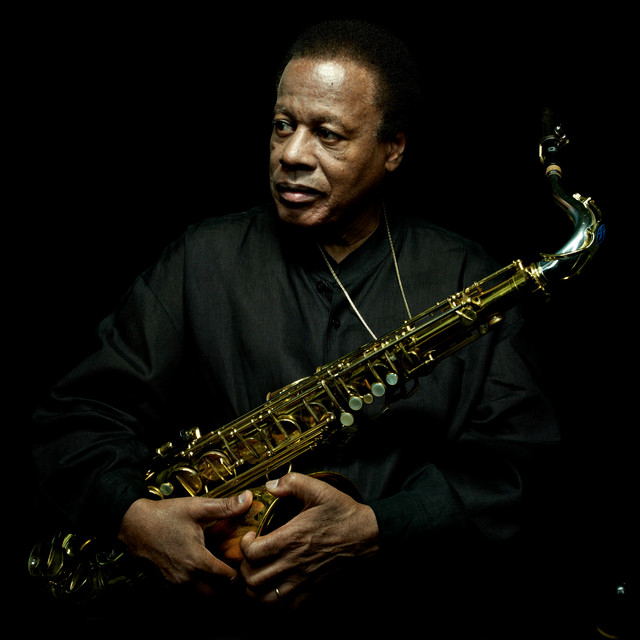
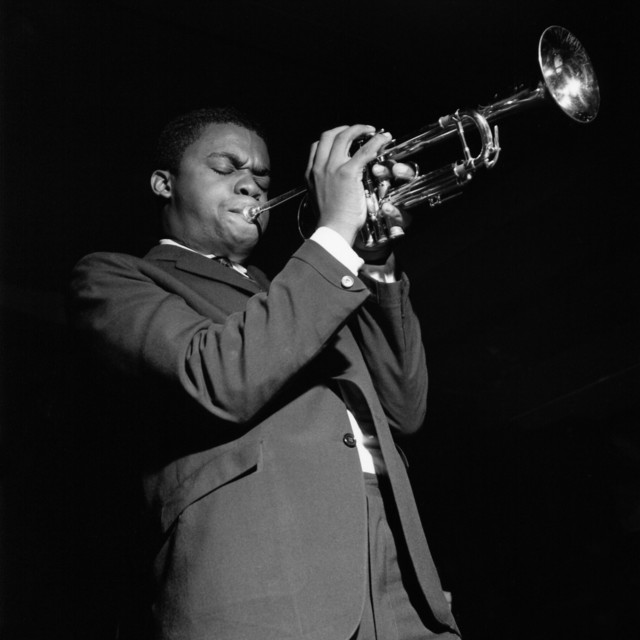
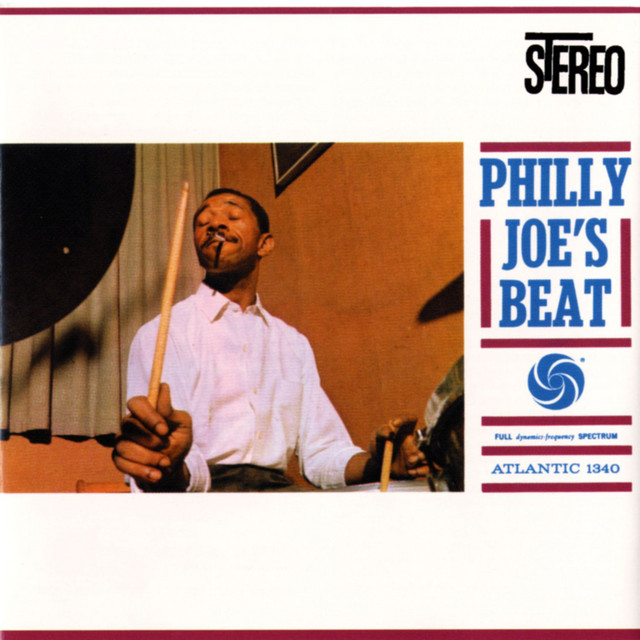
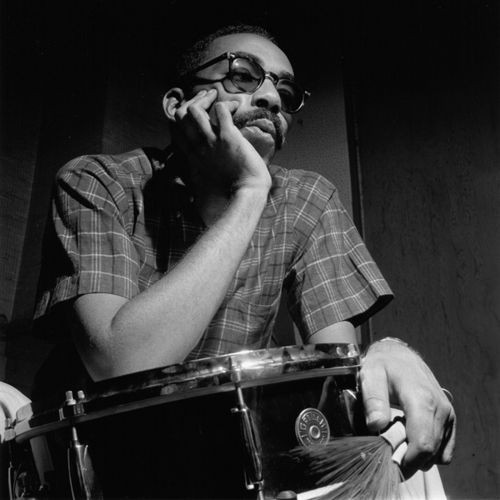
The Jazz Messengers were called a 'school.' Blakey said bringing along young people was the jazz tradition — he launched Lee MorganLee Morganリー・モーガン, Wayne Shorter
Wayne Shorterウェイン・ショーター, Freddie Hubbard
Freddie Hubbardフレディ・ハバード, and many more.
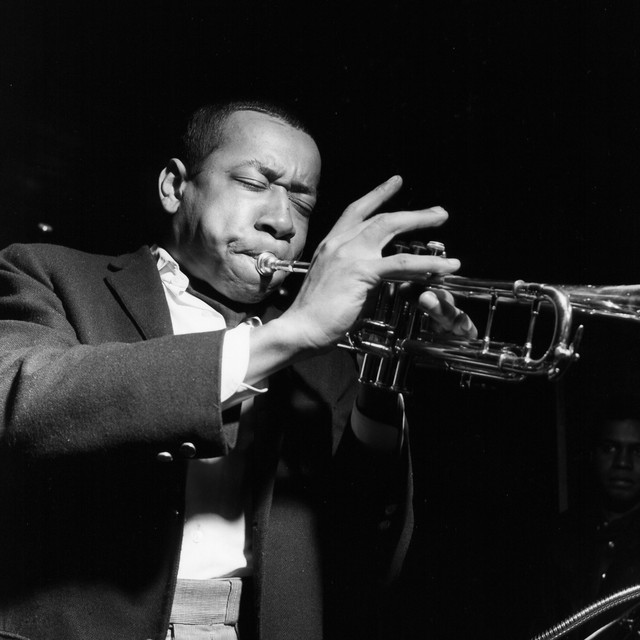
Lee Morgan
(1938–1972)
United States
Lee Morgan (1938–1972) — Trumpet. Led The Sidewinder, Search for the New Land. Worked with Wayne Shorter, Art Blakey, Reggie Workman.
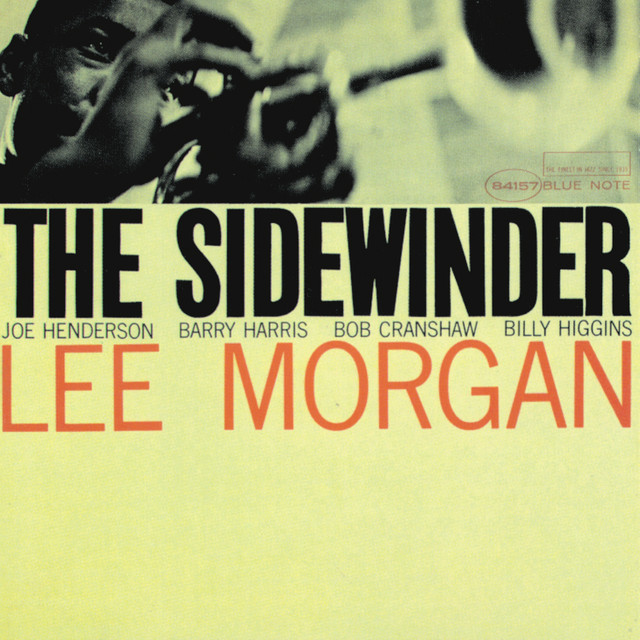
The intro to The Sidewinder tells you everything. The funkiness moves your body without asking permission. He plays cool without a trace of smugness — his natural star quality comes directly through the horn.
Lee Morgan's albums
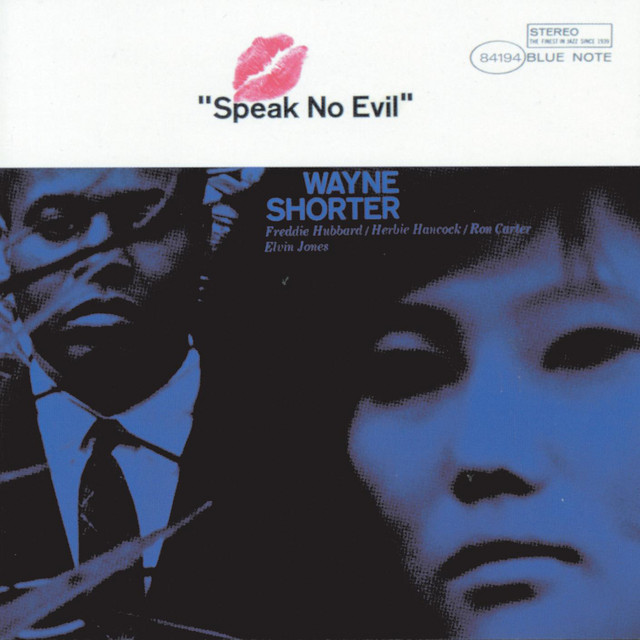
The 1964–66 Blue Note period was when Wayne ShorterWayne Shorterウェイン・ショーター's compositional voice matured rapidly. On Night Dreamer
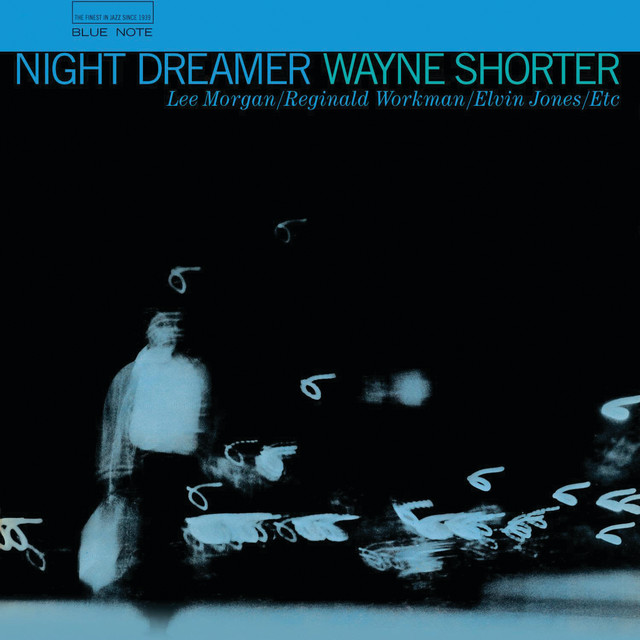
Night DreamerWayne Shorter · 1964 and Speak No Evil
Speak No EvilWayne Shorter · 1966 he established his signature 'mysterious beauty' language. Lee Morgan
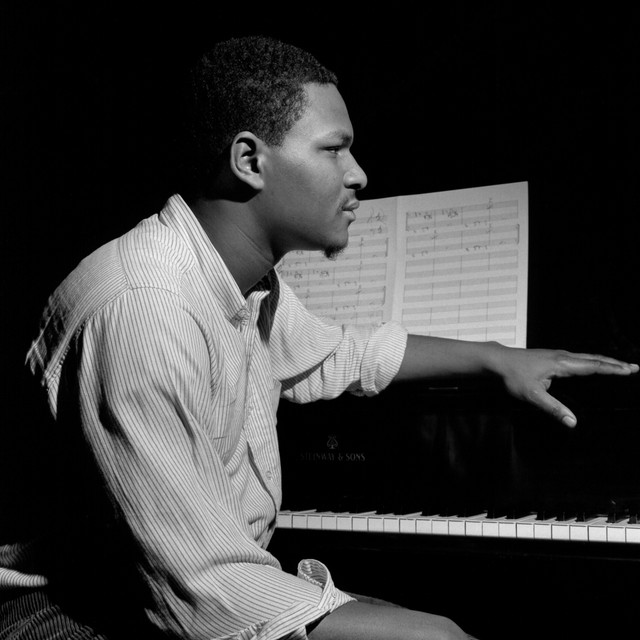
Lee Morganリー・モーガン, McCoy Tyner
McCoy Tynerマッコイ・タイナー, and Elvin Jones
Elvin Jonesエルヴィン・ジョーンズ brought it to life.
Lee Morgan's leader album
The SidewinderThe SidewinderLee Morgan · 1964 (recorded 1963, released 1964) became an unexpected hit. Its boogaloo beat and simple riff crossed over to general audiences, reportedly rescuing Blue Note Records from financial trouble. The front line with Joe Henderson
Joe Hendersonジョー・ヘンダーソン was two Art Blakey
Art Blakeyアート・ブレイキー alumni at their peak.
Lee Morgan's leader album
Lee MorganLee Morganリー・モーガン's 1963 album The Sidewinder
The SidewinderLee Morgan · 1964 was an unexpected commercial hit — almost the only Blue Note recording to chart. Morgan continued evolving in the years after, until he was shot onstage in 1972 at age 33.
Lee Morgan's videos
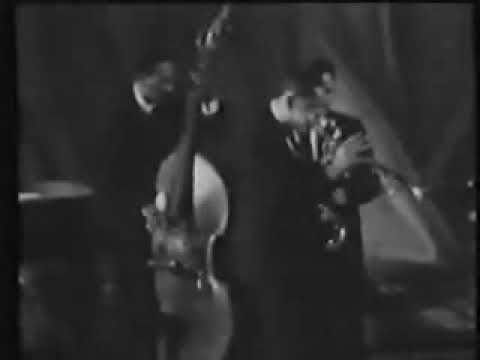
November 1959, Théâtre des Champs-Élysées, Paris. The Jazz Messengers with the Lee MorganLee Morganリー・モーガン / Wayne Shorter
Wayne Shorterウェイン・ショーター front line. A rare French TV broadcast capturing this lineup live.
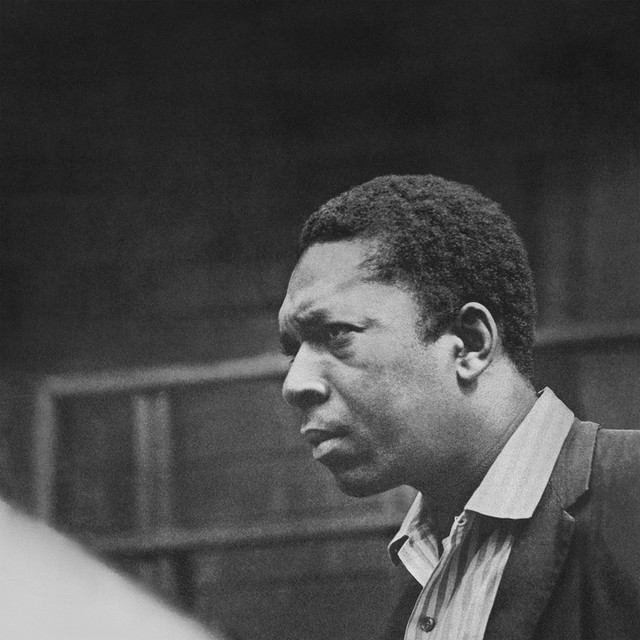
Blue Train (1957) was John ColtraneJohn Coltraneジョン・コルトレーン's sole Blue Note album. With a three-horn front line including Lee Morgan
Lee Morganリー・モーガン and Curtis Fuller
Curtis Fullerカーティス・フラー, it captured his hard-bop side just before he systematized "sheets of sound."
Lee Morgan's albums
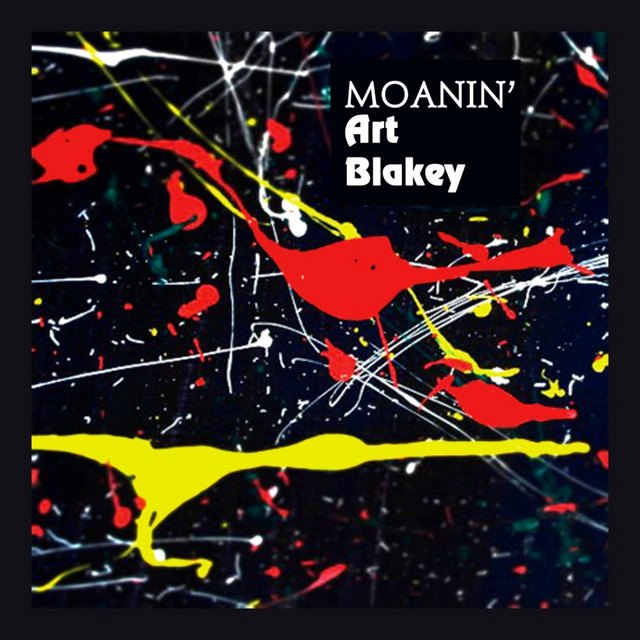
Recorded for Blue Note in October 1958, Moanin'Moanin'Art Blakey · 1958 is the masterpiece of the Golson-era Messengers. The title track, a gospel-tinged Bobby Timmons composition, helped popularize hard bop with a wider audience.
Lee Morgan's leader album
Recorded in December 1963, The SidewinderThe SidewinderLee Morgan · 1964 became Lee Morgan
Lee Morganリー・モーガン's biggest commercial hit on Blue Note. The boogaloo title track climbed to No. 25 on the Billboard pop chart and is often credited with rescuing the label financially.
On February 19, 1972, Lee MorganLee Morganリー・モーガン was shot and killed between sets at Slug's Saloon in Manhattan by his common-law wife Helen More. He was 33—a tragically early end for one of hard bop's defining trumpeters.
Lee Morgan's leader album
Joe HendersonJoe Hendersonジョー・ヘンダーソン's tenor is featured throughout Lee Morgan
Lee Morganリー・モーガン's The Sidewinder
The SidewinderLee Morgan · 1964 (1963). His cerebral, slightly 'outside' phrasing provided a striking foil to Morgan's straight-ahead blues sensibility.
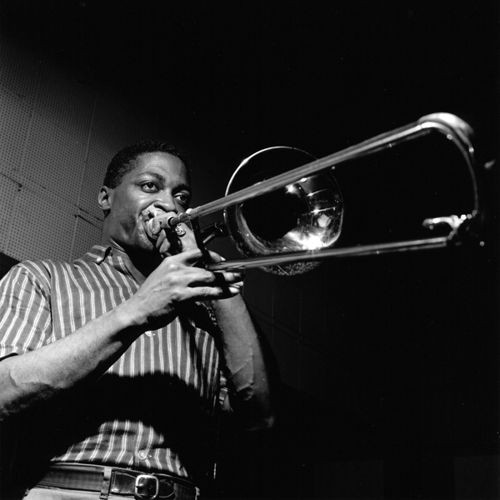
Curtis FullerCurtis Fullerカーティス・フラー's trombone was central to John Coltrane
John Coltraneジョン・コルトレーン's lone Blue Note leader date, 'Blue Train,' recorded in September 1957. The three-horn front line he formed with Lee Morgan
Lee Morganリー・モーガン became one of hard bop's ideal sounds.
Art TaylorArt Taylorアート・テイラー played drums on John Coltrane
John Coltraneジョン・コルトレーン's sole Blue Note album, Blue Train (September 1957). His rock-solid swing, supporting the Lee Morgan
Lee Morganリー・モーガン and Curtis Fuller
Curtis Fullerカーティス・フラー front line, embodied the hard bop drumming standard.
Lee Morgan said
'Art took me in when I was 18. I learned more than drums from him'
On joining the Jazz Messengers at age 18 in 1956.
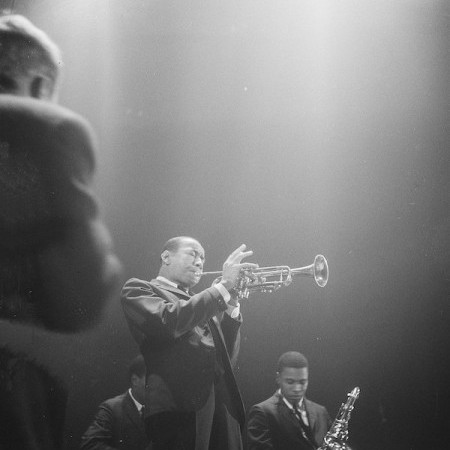
The jazz club room. Riku's been listening to this riff for three days straight. On chewing getting funky.