John Coltrane's leader album
The four years of the Coltrane Classic Quartet (1961–65) represent one of the most concentrated periods of creation in jazz history. Elvin
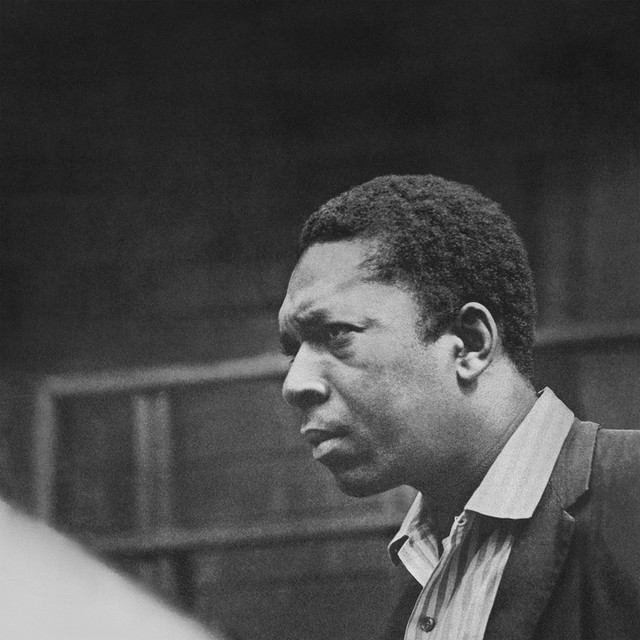
(1926–1967)
Hamlet, NC, United States
John Coltrane (1926–1967) — Tenor Saxophone, Saxophone. Led Giant Steps, My Favorite Things, Coltrane's Sound. Worked with Paul Chambers, McCoy Tyner, Elvin Jones.
A flood of sound — once he starts he cannot stop. Enormous numbers of notes spiral and surge toward you. At first the experience is overwhelming; listened to deeply, it begins to sound like prayer. No word fits Coltrane better than seeker.
John Coltrane's leader album
The four years of the Coltrane Classic Quartet (1961–65) represent one of the most concentrated periods of creation in jazz history. Elvin
John Coltrane's albums
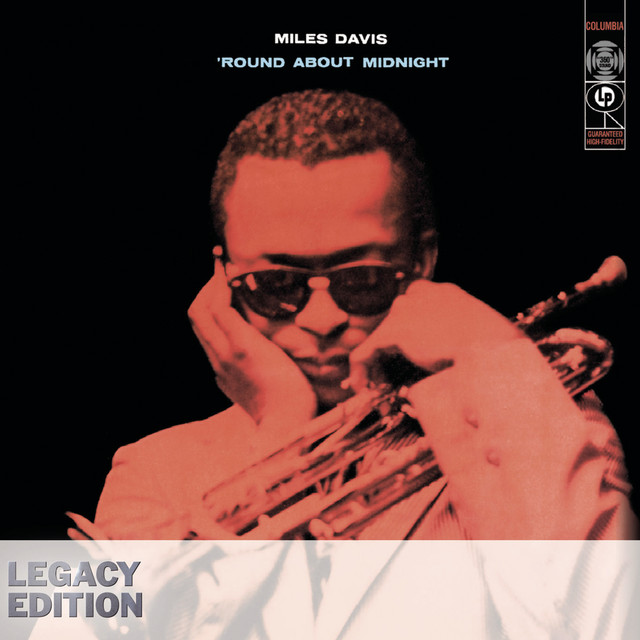
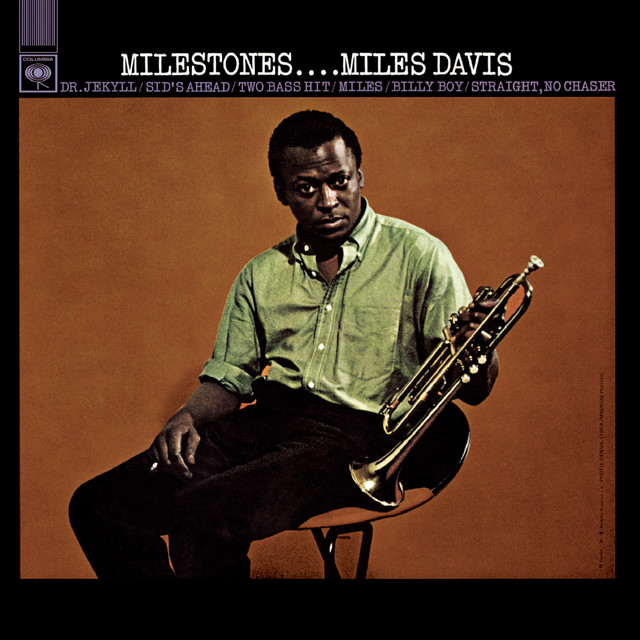
In two marathon sessions in May and October 1956, Miles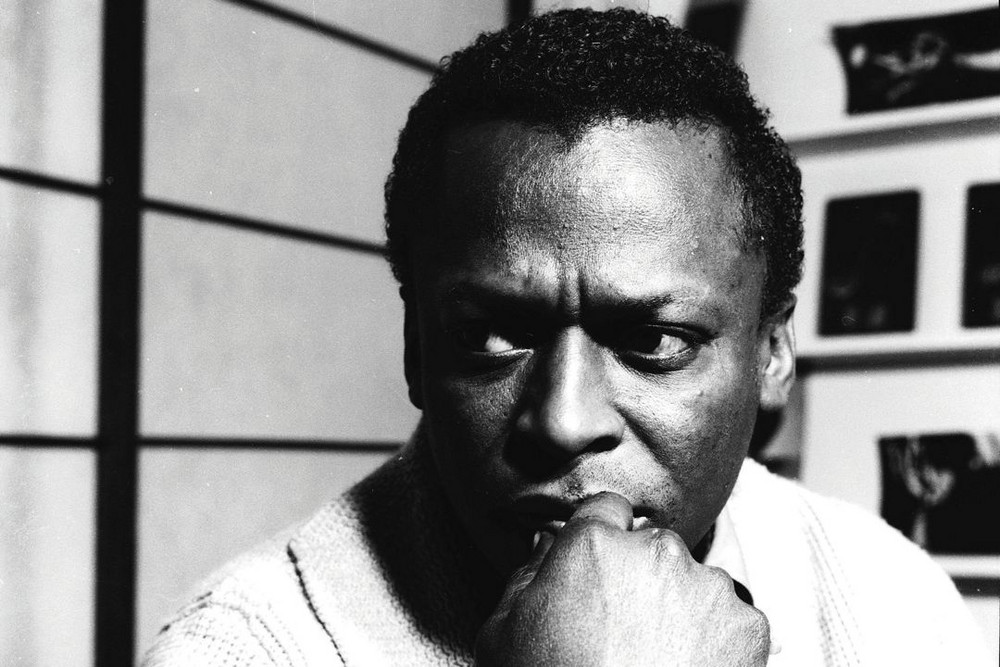
 — Kind of Blue: The Making of the Miles Davis Masterpiece, Ashley Kahn, 2000
John Coltrane's albums
Kind of Blue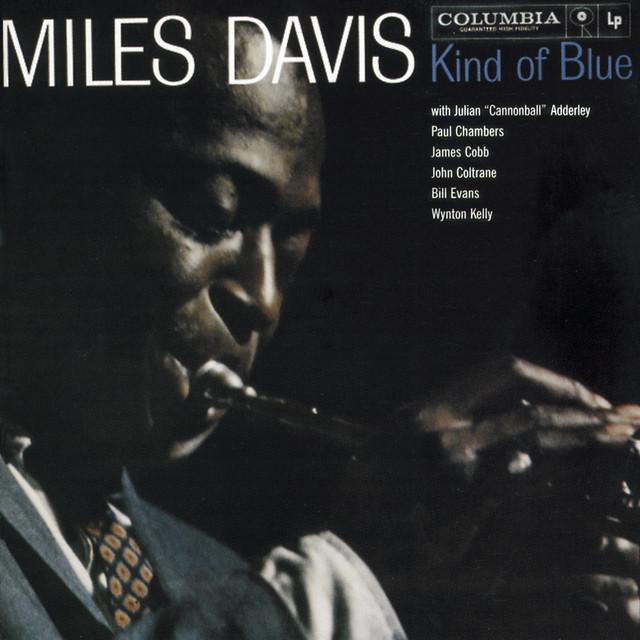
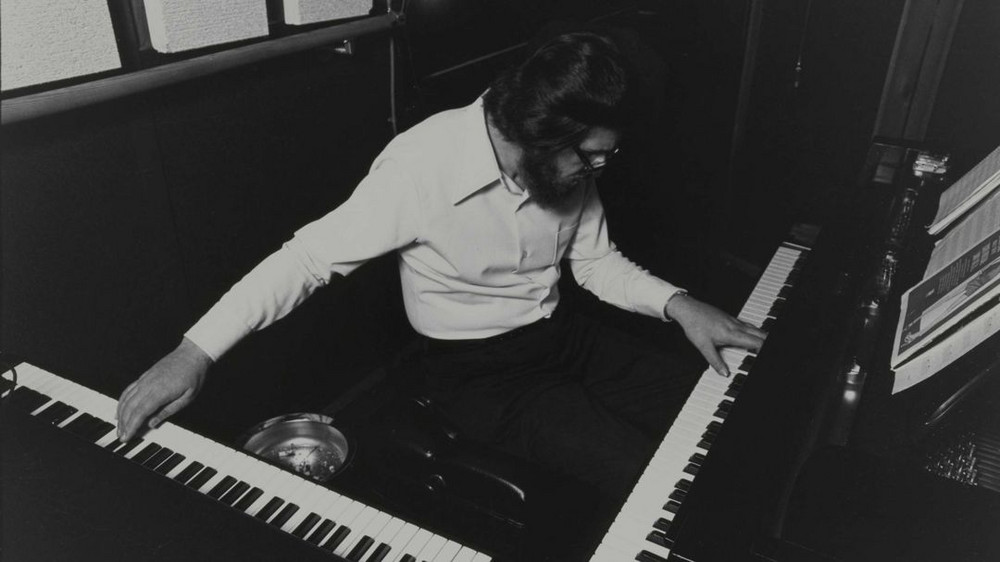
— Kind of Blue: The Making of the Miles Davis Masterpiece, Ashley Kahn, 2000
John Coltrane's videos
July 26, 1965, Antibes, France. The only known live performance of 'A Love Supreme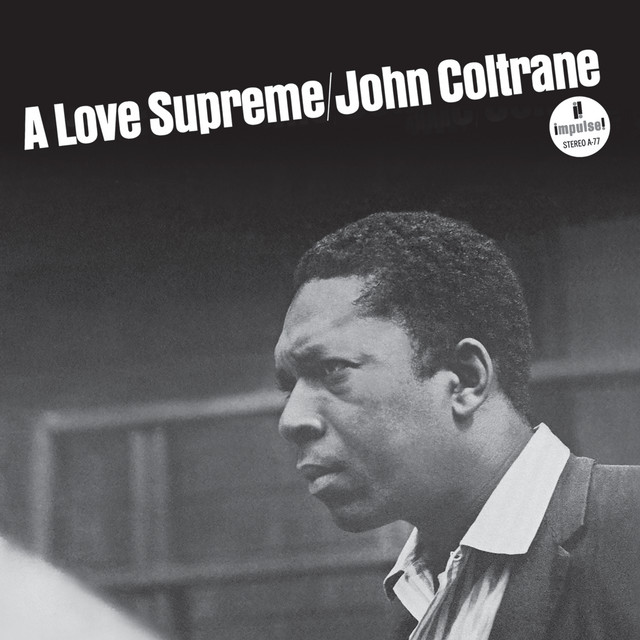
In November 1961, John Coltrane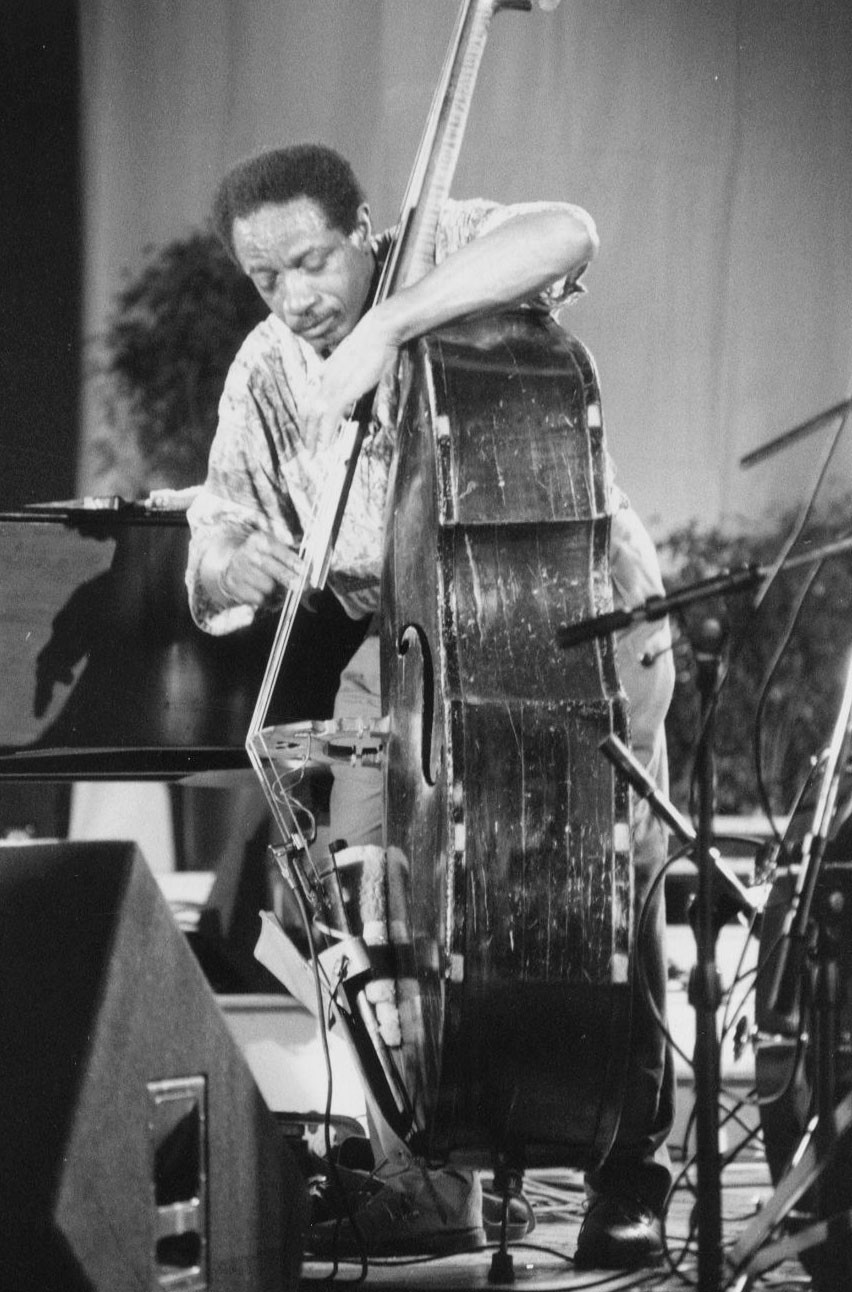
John Coltrane's albums
Jimmy Cobb

— Kind of Blue: The Making of the Miles Davis Masterpiece, Ashley Kahn, 2000
John Coltrane's leader album
In May 1959, Tommy Flanagan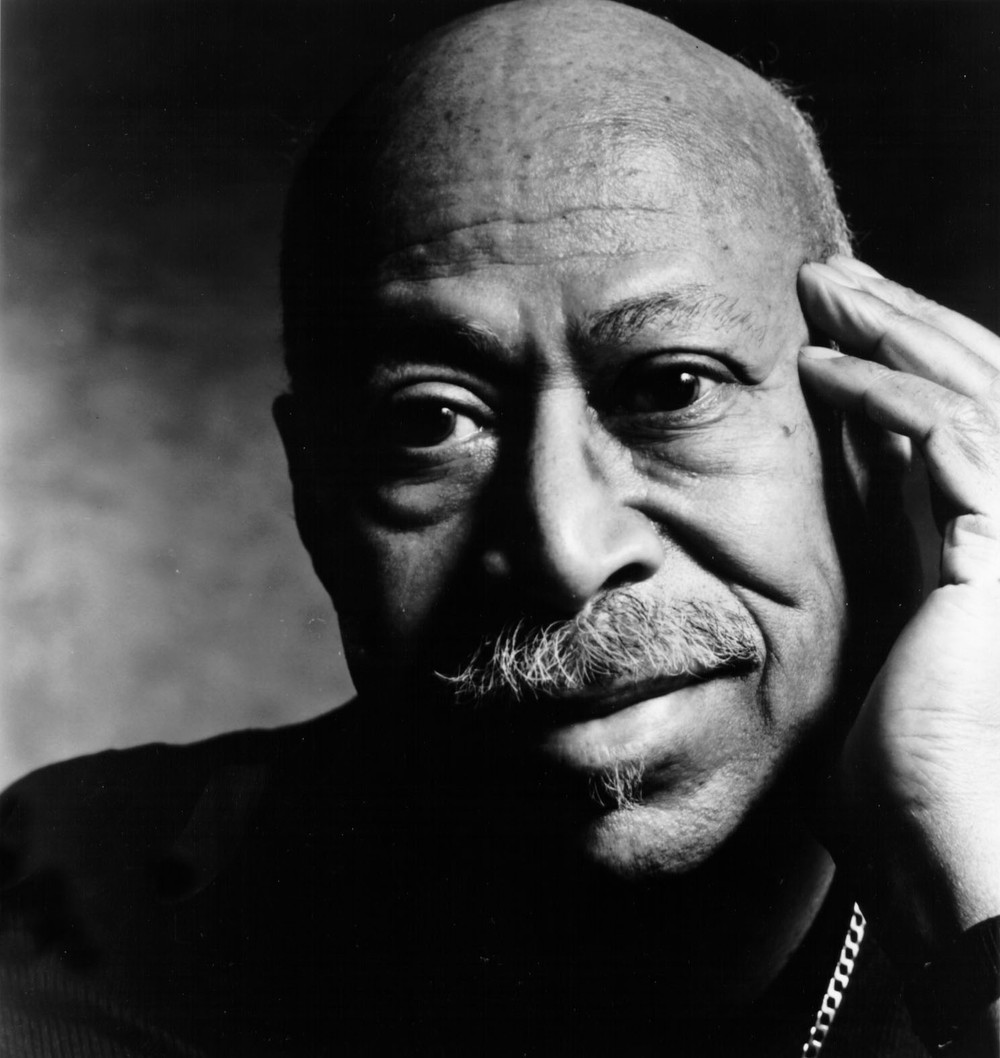
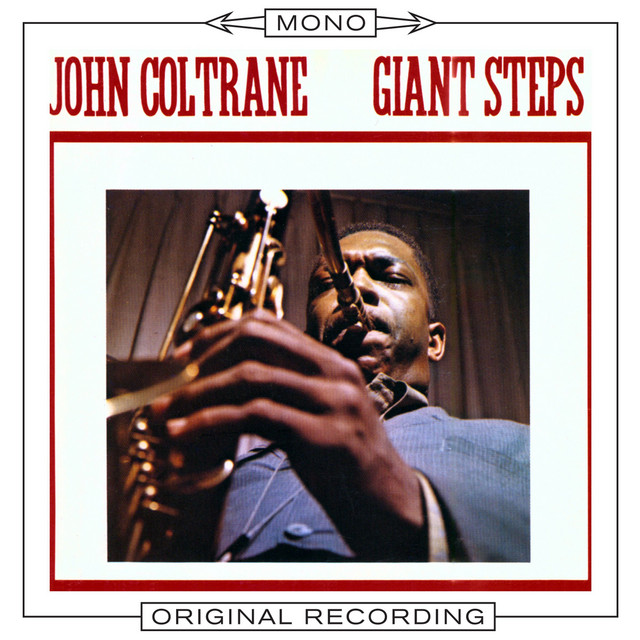
John Coltrane said
"I want to offer you a hymn of praise. This is the only way I know how."
From the poem in the liner notes of A Love Supreme (1965). The line directly expresses the spirit of the four-movement suite, written as a thanksgiving to God.
John Coltrane's albums
From 1955–60, Coltrane
John Coltrane's albums
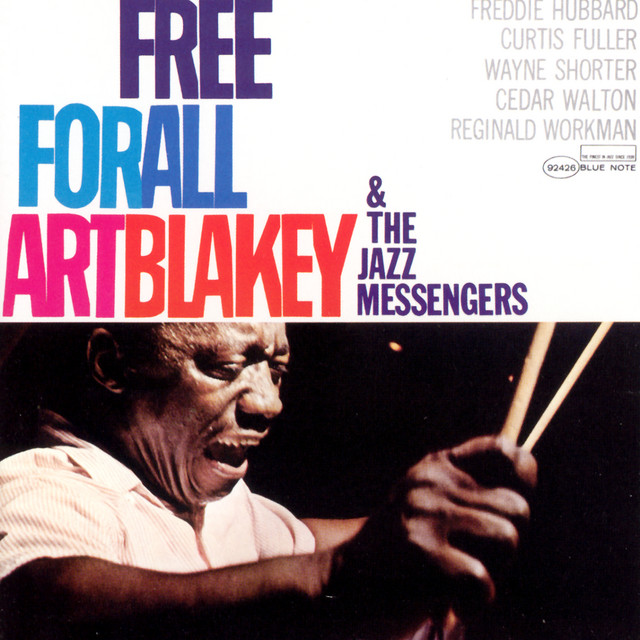
Reggie Workman

John Coltrane's videos
August 1965, Comblain-la-Tour, Belgium. RTBF's color broadcast — a rare and valuable color film of the classic quartet, captured just days after the Antibes 'A Love Supreme
John Coltrane's videos
2023, a Black Music Month Tiny Desk. Harpist Brandee Younger
John Coltrane's videos
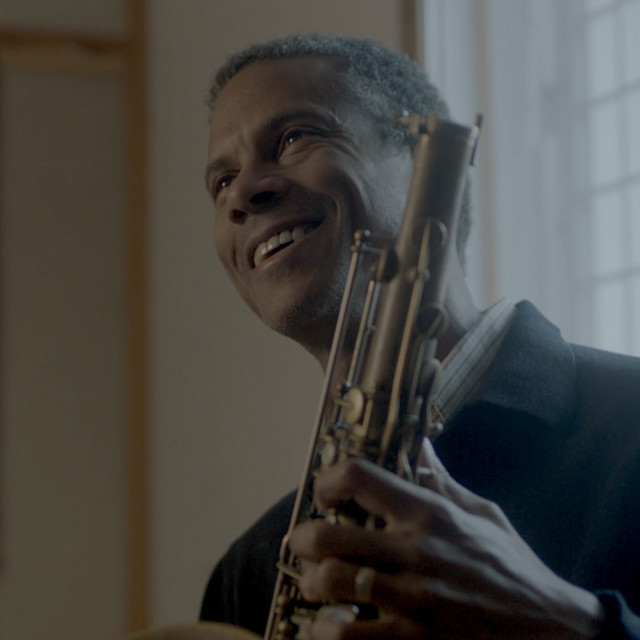
2022, BIMHUIS, Amsterdam. Mark Turner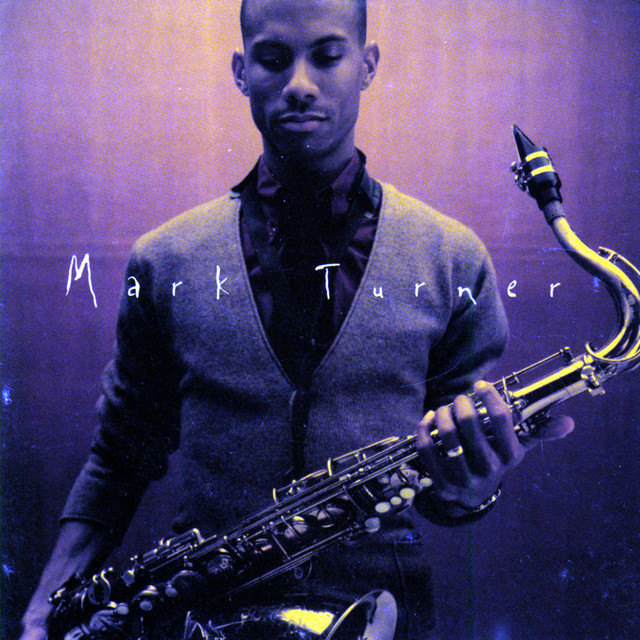
Curtis Fuller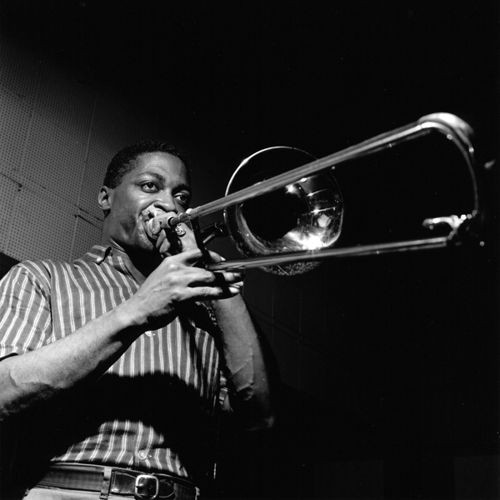
John Coltrane's albums
In just two days (May and October 1956), Miles Davis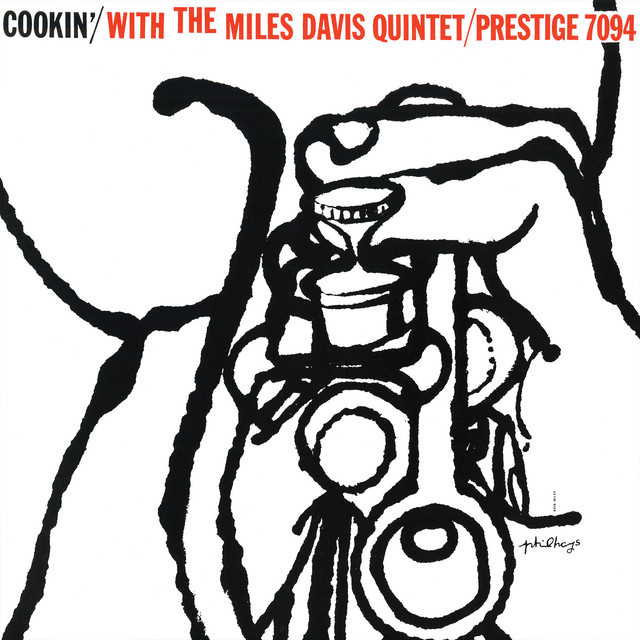
— Kind of Blue: The Making of the Miles Davis Masterpiece, Ashley Kahn, 2000
Blue Train (1957) was John Coltrane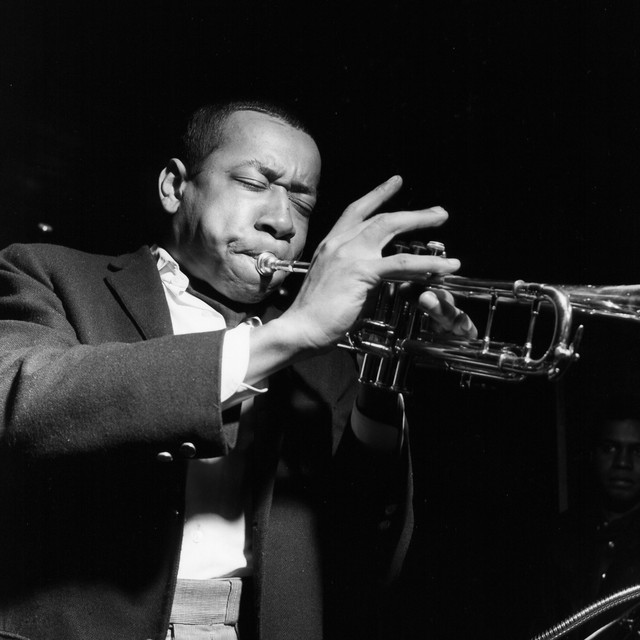
Meditations (November 1965) marked the dissolution of John Coltrane
On Ascension (June 1965), John Coltrane
John Coltrane's albums
Cannonball Adderley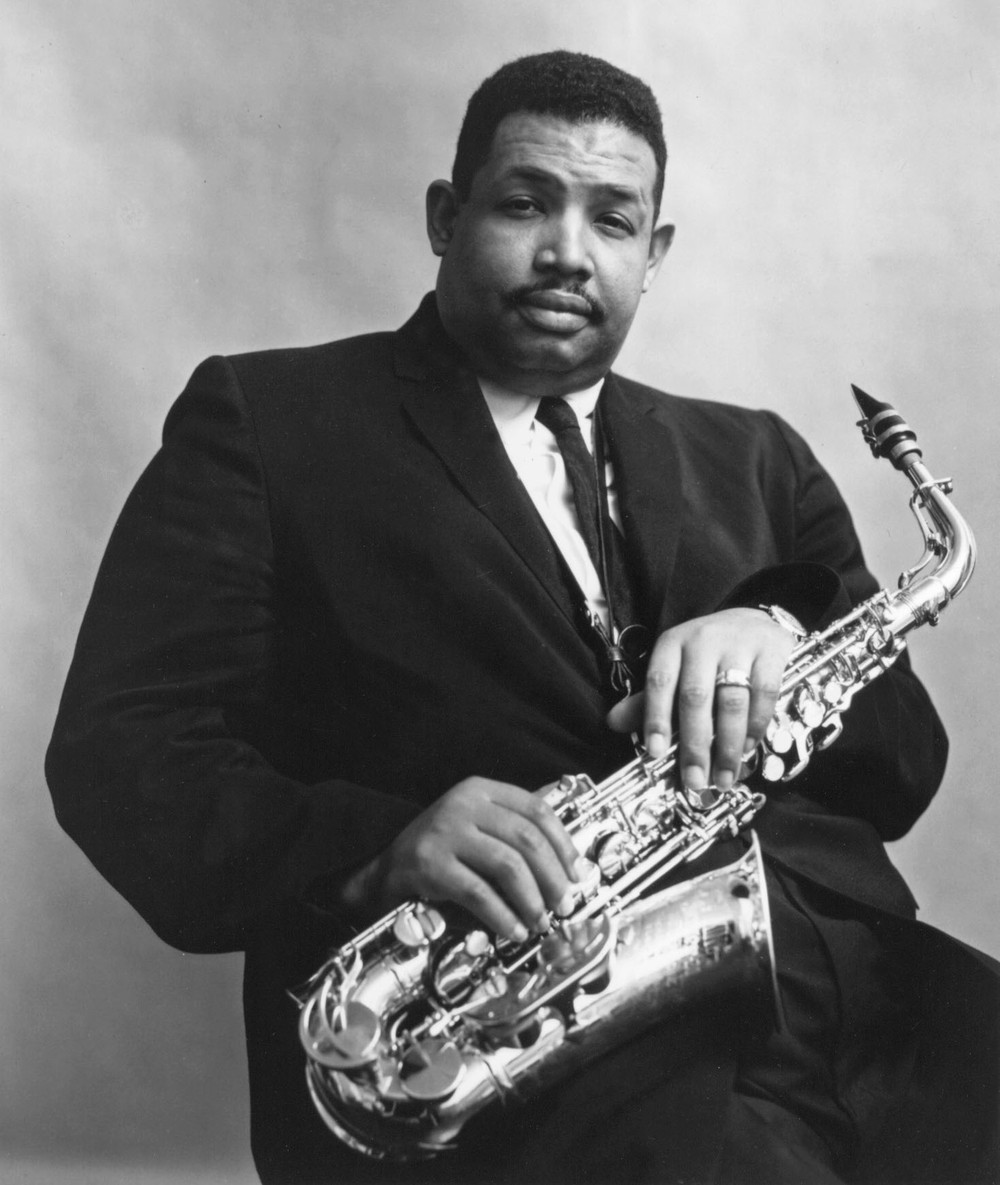
— Kind of Blue: The Making of the Miles Davis Masterpiece, Ashley Kahn, 2000
John Coltrane's leader album
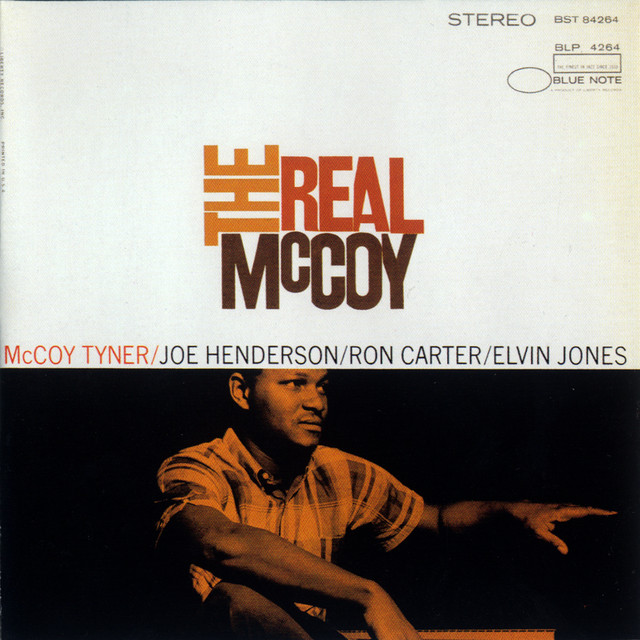
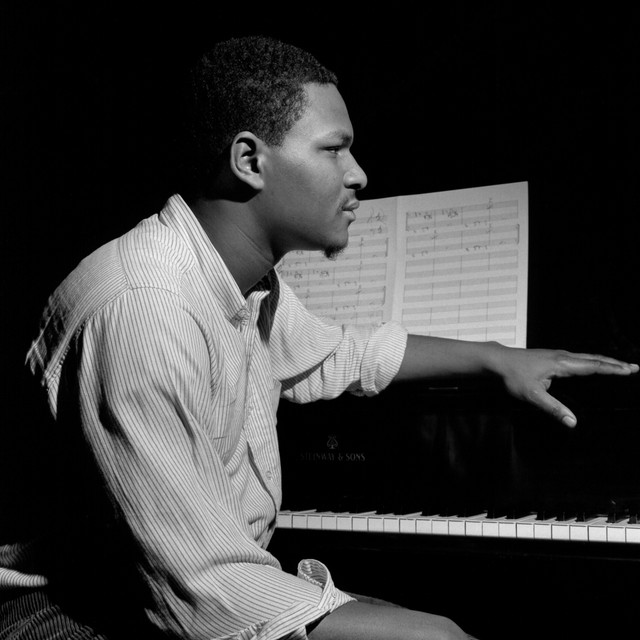
McCoy Tyner
In late 1965 McCoy Tyner
 — The House That Trane Built: The Story of Impulse Records, Ashley Kahn, 2006
Elvin Jones
When John Coltrane
— The House That Trane Built: The Story of Impulse Records, Ashley Kahn, 2006
John Coltrane's leader album
Jimmy Garrison
Jimmy Garrison
— The House That Trane Built: The Story of Impulse Records, Ashley Kahn, 2006
Curtis Fuller
John Coltrane's leader album
John Coltrane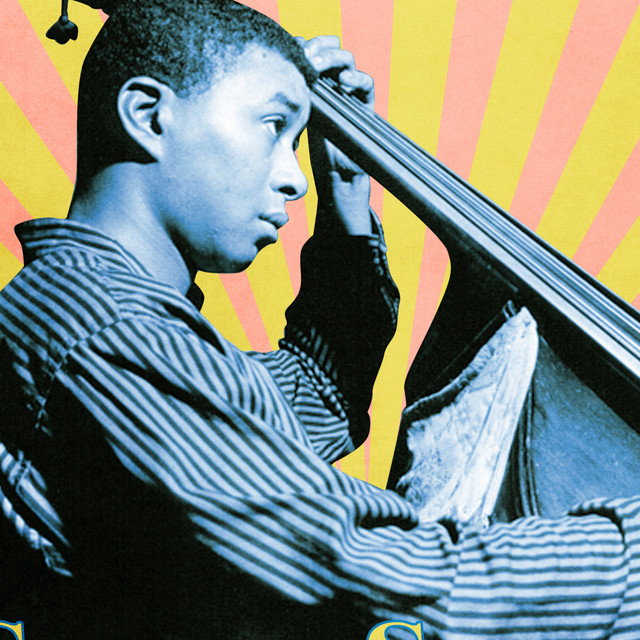
Art Taylor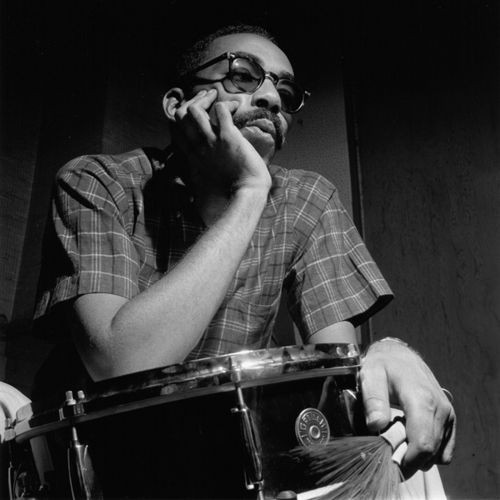
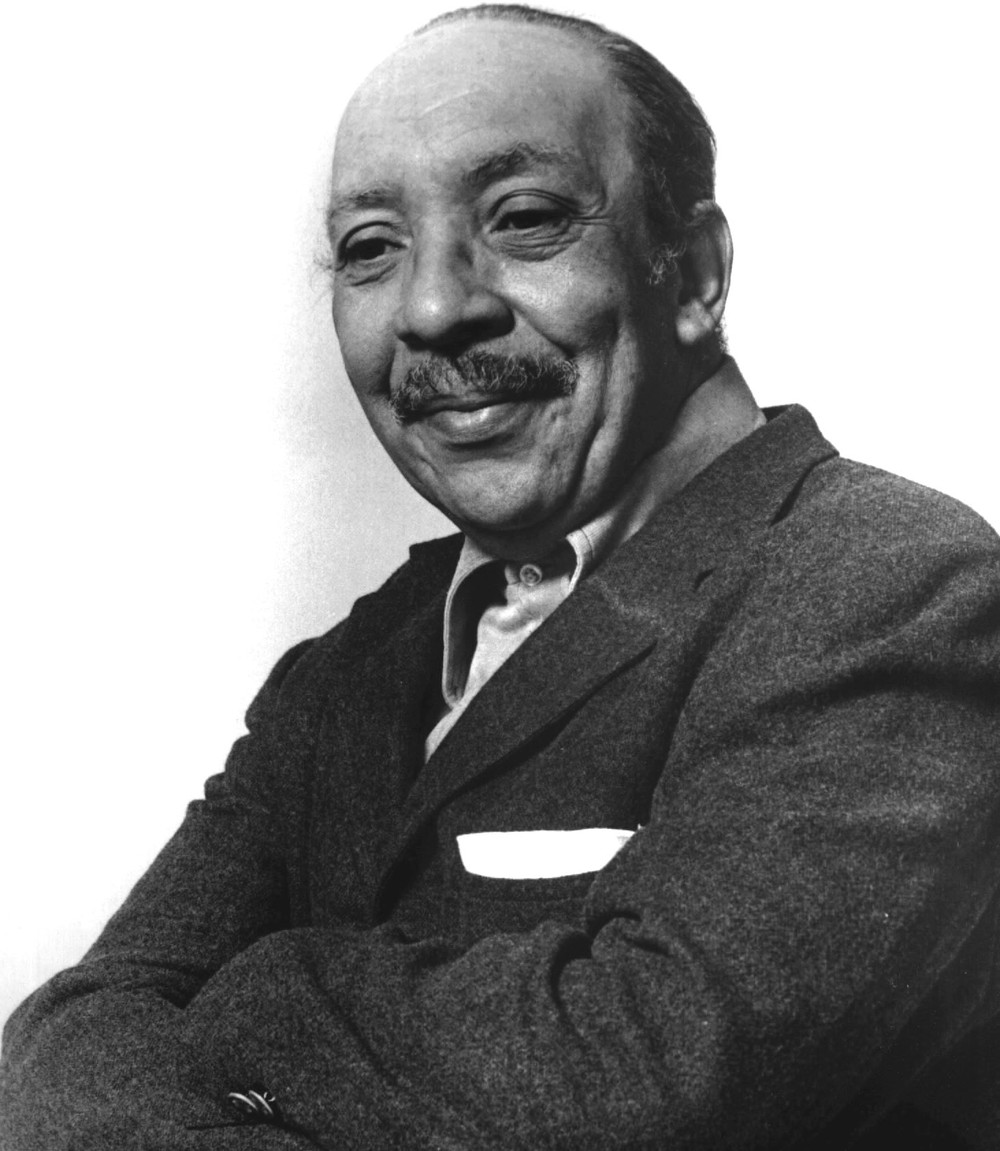 Red Garland


 Mark Turner
