Herbie Hancock's albums
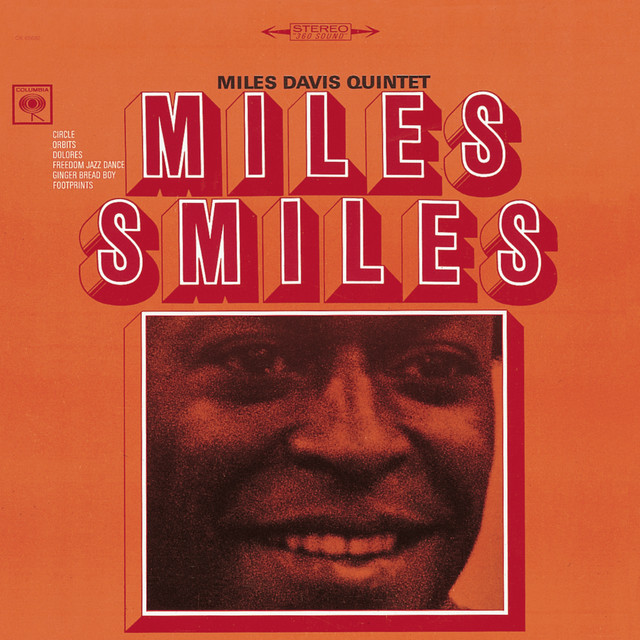
The Second Great Quintet of 1964–68. Each member had independent careers, but together they fundamentally reinvented how jazz treated time.
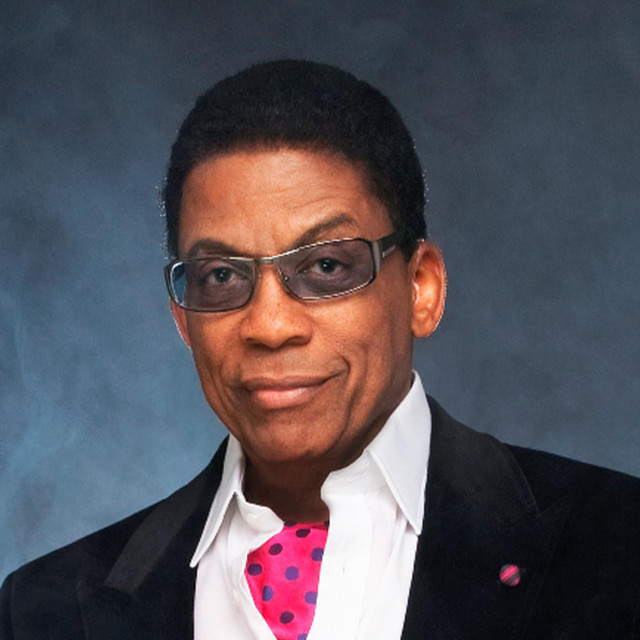
(1940–)
Chicago, IL, United States
For decades Hancock has stayed at the cutting edge. From 1960s acoustic jazz to '70s funk to '80s electronics, his willingness to reinvent himself has become his defining characteristic. He is the living archive of jazz's evolution — and still not done.
Herbie Hancock's albums
The Second Great Quintet of 1964–68. Each member had independent careers, but together they fundamentally reinvented how jazz treated time.
Herbie Hancock's albums
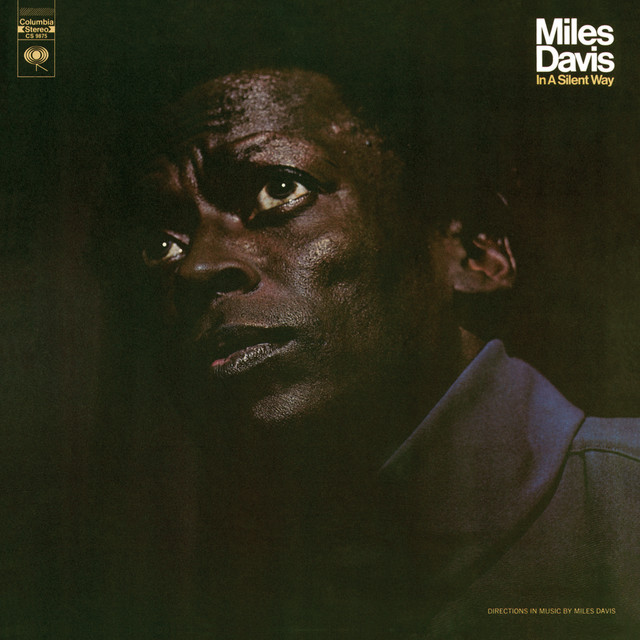
Miles's 1969–70 studio experiments fused rock's rhythmic sensibility with jazz improvisation. Bitches BrewBitches BrewMiles Davis · 1970 layered McLaughlin
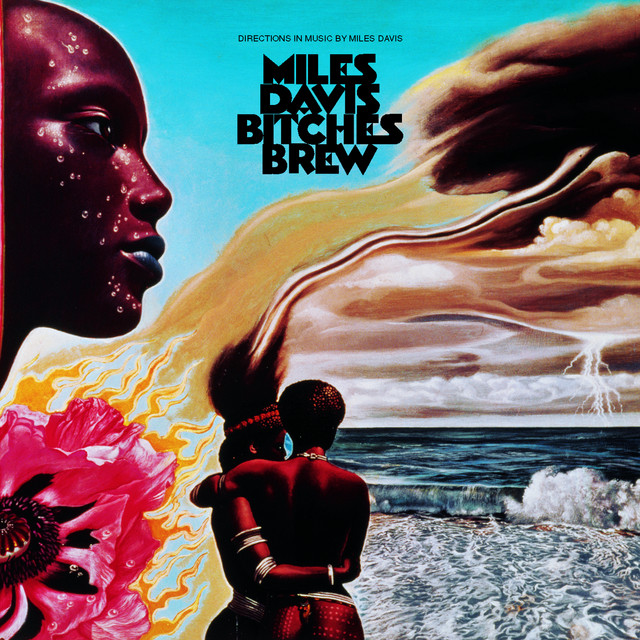
John McLaughlinジョン・マクラフリン, Corea
Chick Coreaチック・コリア, Hancock
Herbie Hancockハービー・ハンコック, and others in simultaneous collective improvisation.
Herbie Hancock's albums
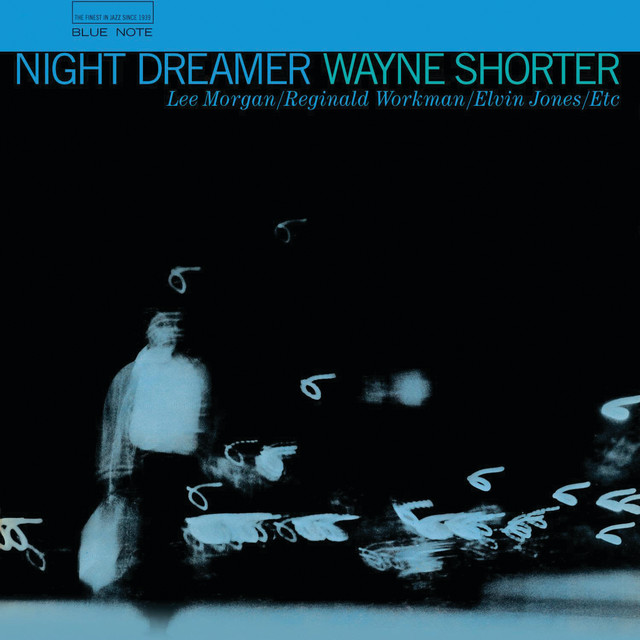
The 1964–66 Blue Note period was when Wayne ShorterWayne Shorterウェイン・ショーター's compositional voice matured rapidly. On Night Dreamer
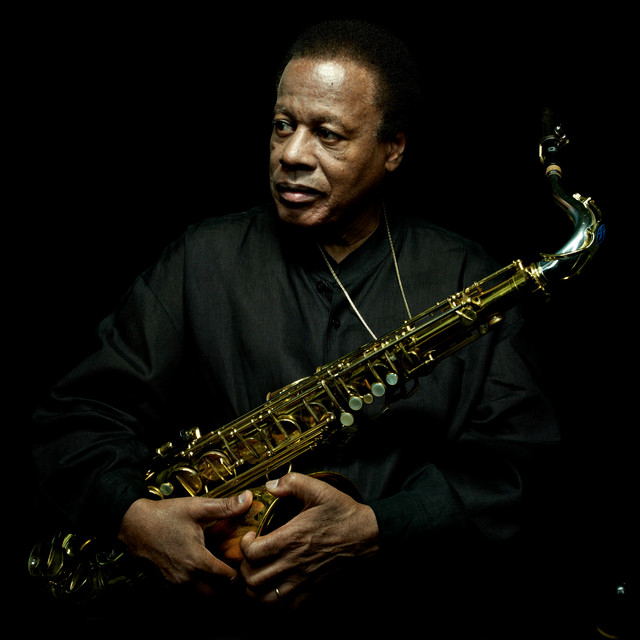
Night DreamerWayne Shorter · 1964 and Speak No Evil
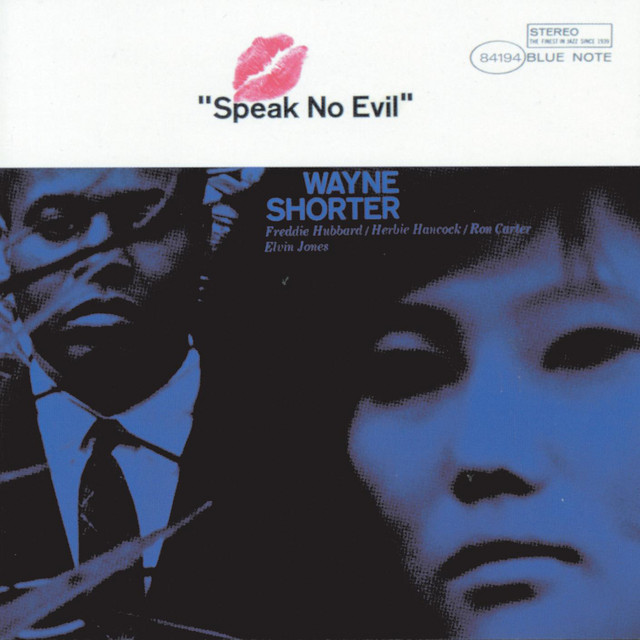
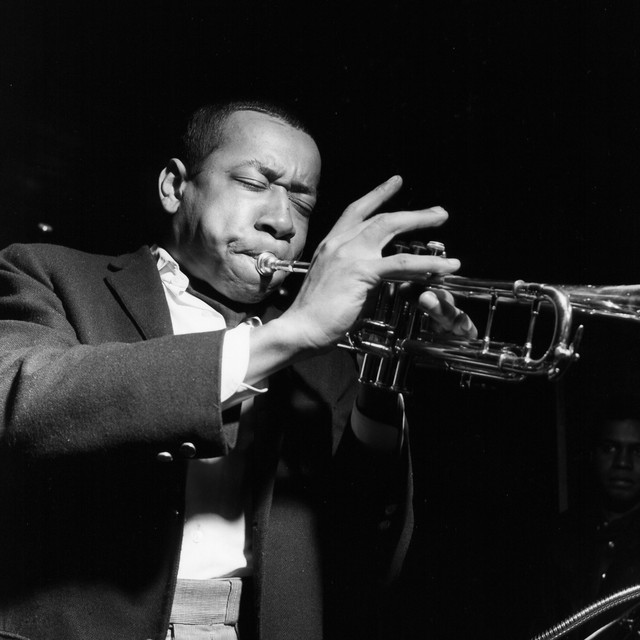
Speak No EvilWayne Shorter · 1966 he established his signature 'mysterious beauty' language. Lee Morgan
Lee Morganリー・モーガン, McCoy Tyner
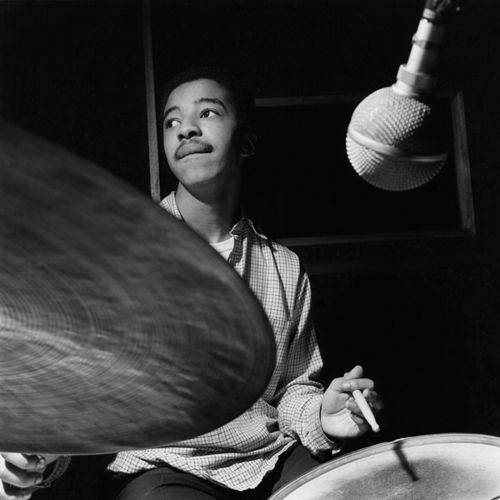
McCoy Tynerマッコイ・タイナー, and Elvin Jones
Elvin Jonesエルヴィン・ジョーンズ brought it to life.
Herbie Hancock's videos
October 1967, Stockholm. One of the very few proper video documents of the Second Great Quintet. 'Agitation,' 'Footprints,' and ''Round Midnight' bleed into each other, and you can literally see how the four of them collectively own the time.
Herbie Hancock's albums
Speak No EvilSpeak No EvilWayne Shorter · 1966 (December 1964) is widely cited as Wayne Shorter
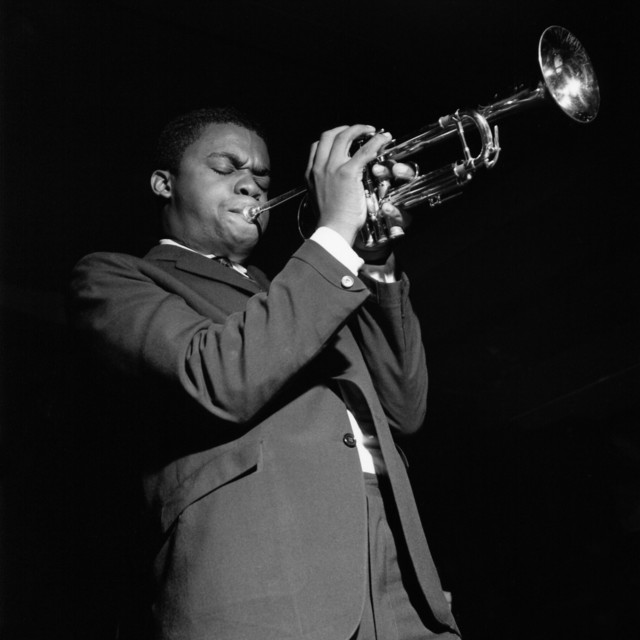
Wayne Shorterウェイン・ショーター's Blue Note masterpiece. Freddie Hubbard
Freddie Hubbardフレディ・ハバード in the front line, three Second Great Quintet members (Herbie Hancock
Herbie Hancockハービー・ハンコック, Ron Carter
Ron Carterロン・カーター), plus Elvin Jones
Elvin Jonesエルヴィン・ジョーンズ — a dream lineup.
— Footprints: The Life and Work of Wayne Shorter, Michelle Mercer, 2004
Herbie Hancock's leader album
Herbie HancockHerbie Hancockハービー・ハンコック's biggest hit wasn't his work with Miles Davis or Head Hunters — it was 'Rockit' (1983), an electro track featuring turntable scratching by GrandMixer DXT. It became one of MTV's most-played videos and won a Grammy for Best R&B Instrumental Performance. A jazz pianist delivered hip-hop culture to mainstream America.
— How Herbie Hancock's 'Rockit' changed everything — The Guardian
Herbie Hancock said
'Miles taught me how to turn a mistake into an opportunity'
During his time with the Miles Davis Quintet (1963–68). Based on the well-known episode where Miles turned Herbie's 'wrong' chord into part of the music.
Herbie Hancock said
"Miles told us: there are no wrong notes. It's what you do with them next that matters."
Hancock recalled this lesson from the Second Great Quintet years in his memoir.
Herbie Hancock's leader album
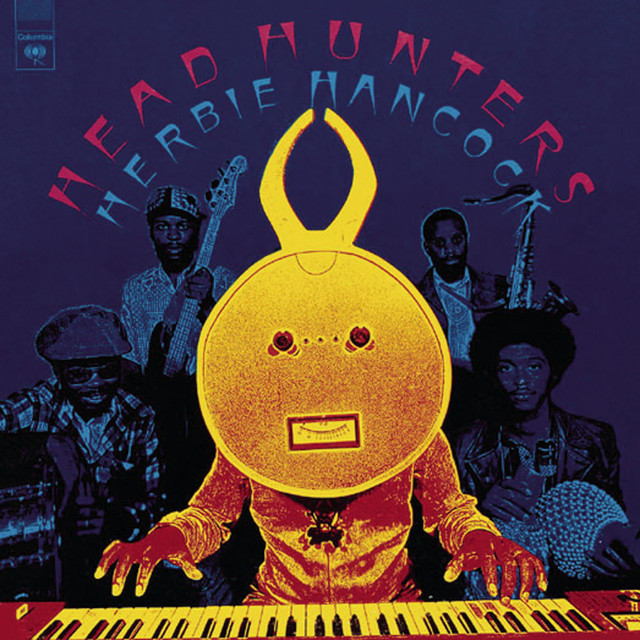
The early-70s Mwandishi band was commercially unsuccessful but laid the groundwork for the Headhunters pivot.
Herbie Hancock's leader album
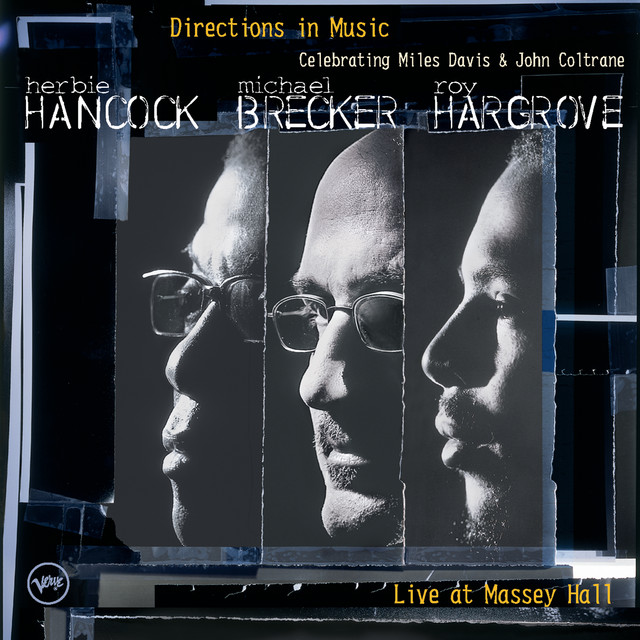
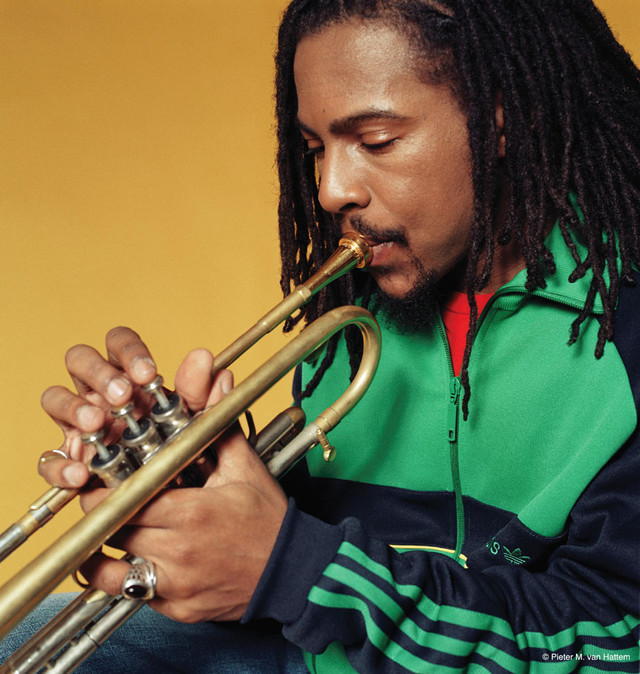
Directions in Music (2001) was Hancock's tribute to Miles Davis and John Coltrane. Placing HargroveRoy Hargroveロイ・ハーグローブ — from the trumpet lineage — alongside Brecker, who had redefined the post-bop saxophone sound, was deliberate. Intergenerational transmission was the album's real subject.
Herbie Hancock's albums
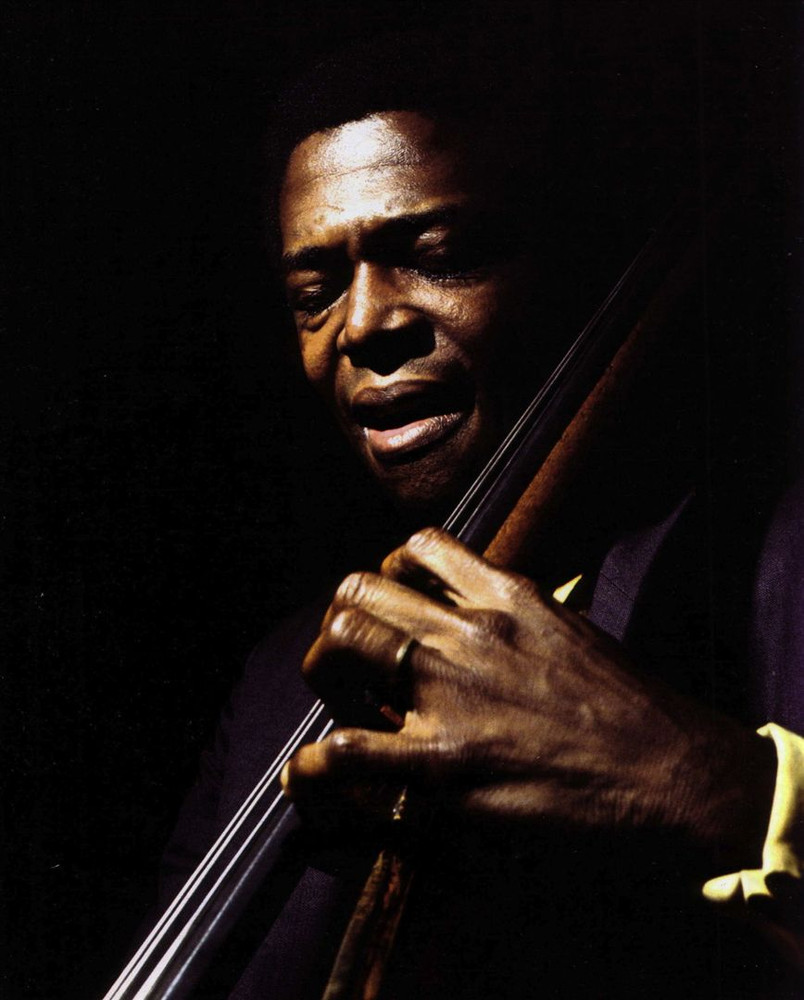
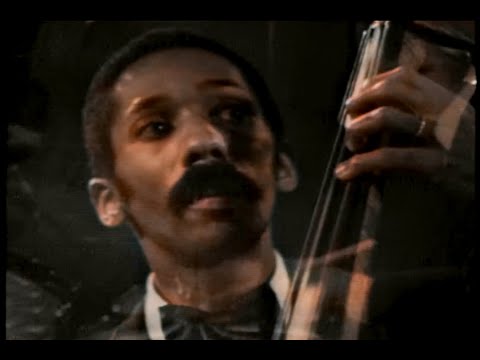
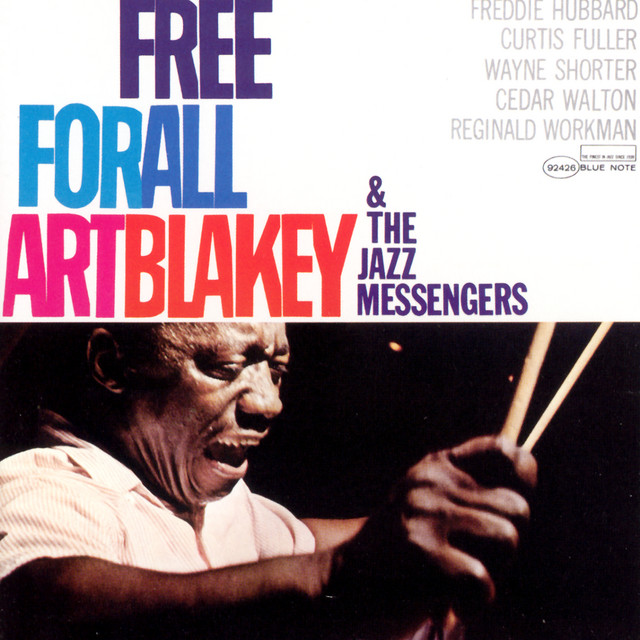
Reggie WorkmanReggie Workmanレジー・ワークマン was one of John Coltrane
John Coltraneジョン・コルトレーン's bassists in the early 1961 sessions before Jimmy Garrison
Jimmy Garrisonジミー・ギャリソン became the permanent member. He continued recording with Wayne Shorter
Wayne Shorterウェイン・ショーター and Art Blakey
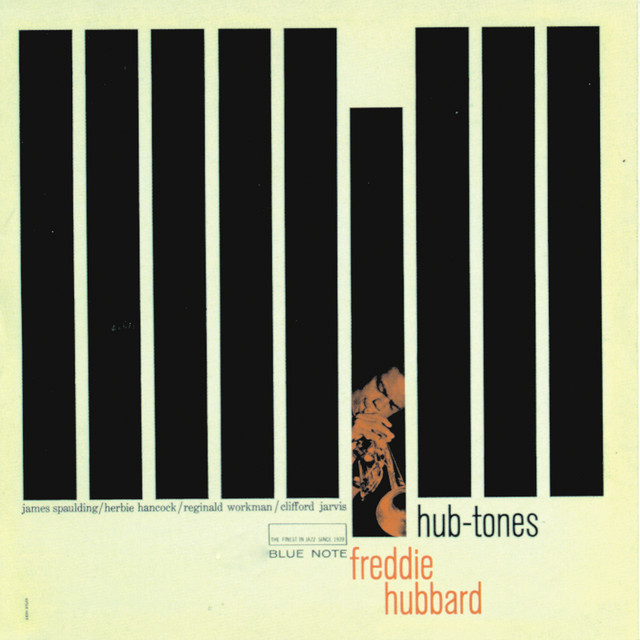
Art Blakeyアート・ブレイキー, remaining at the forefront of the avant-garde. On Hub-Tones
Hub-TonesFreddie Hubbard · 1962 he appeared alongside a young Herbie Hancock
Herbie Hancockハービー・ハンコック.
Herbie Hancock's videos
1974, Radio Bremen's Musikladen studio. 'Chameleon' from Herbie's Headhunters era — fully stepped away from acoustic jazz, with funk groove as the new center of gravity.
Herbie Hancock's videos
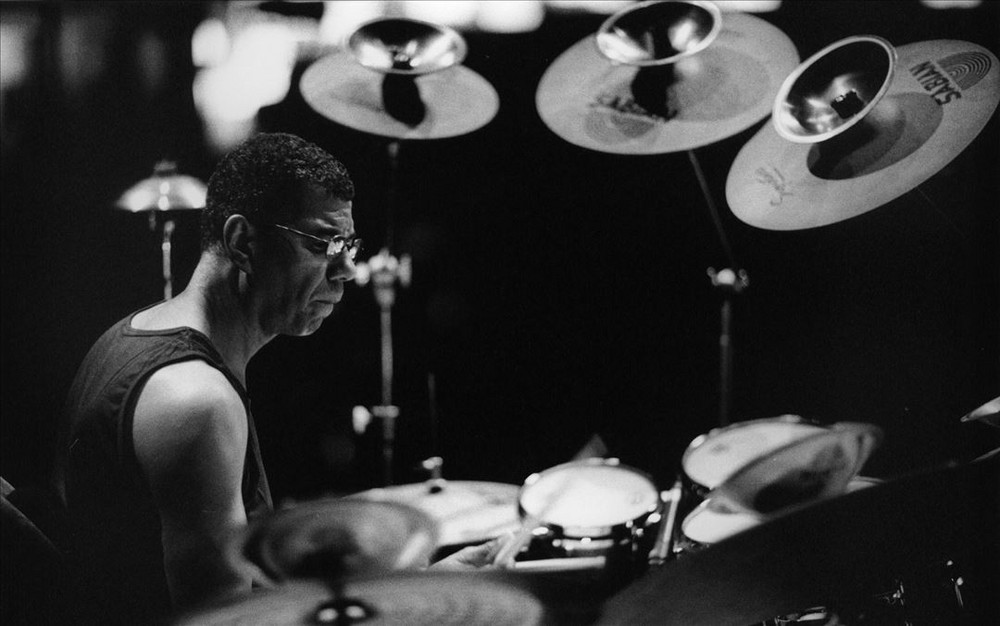
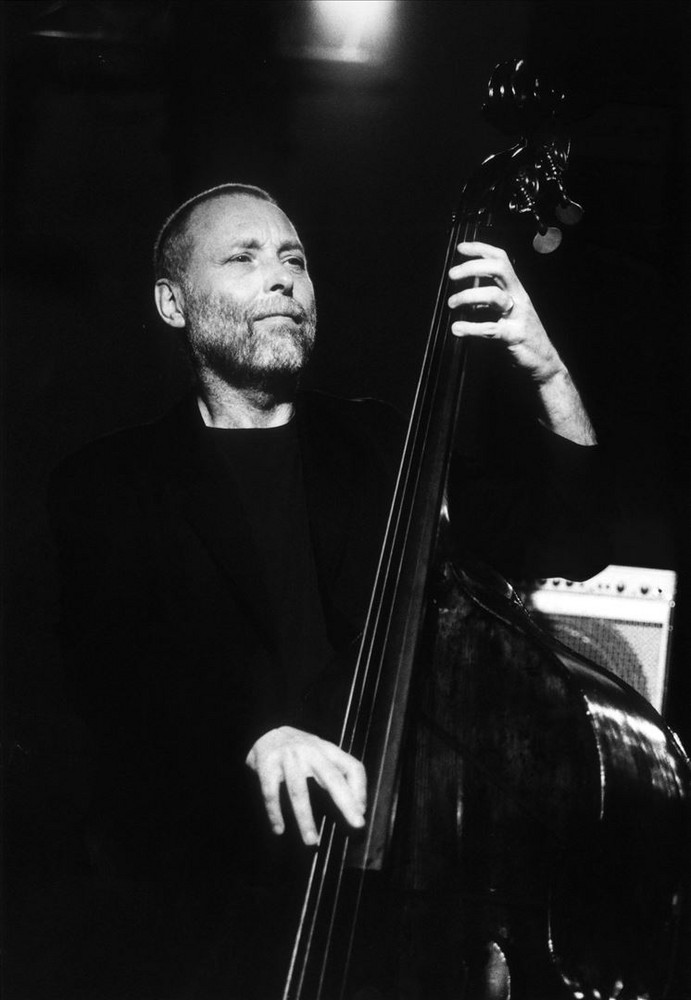
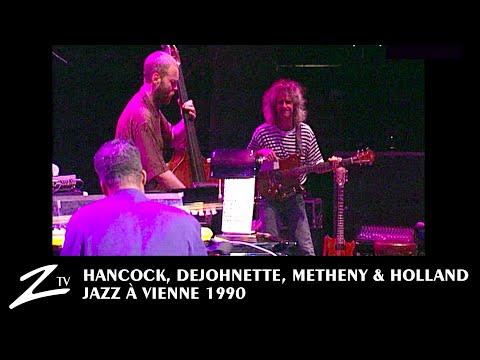
July 9, 1990, Jazz à Vienne. The Parallel Realities tour — Herbie HancockHerbie Hancockハービー・ハンコック (piano), Pat Metheny
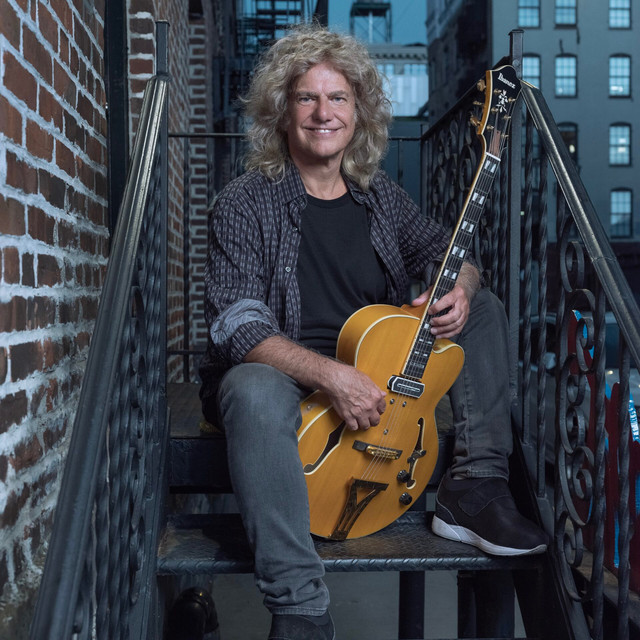
Pat Methenyパット・メセニー (guitar), Jack DeJohnette
Jack DeJohnetteジャック・ディジョネット (drums), Dave Holland
Dave Hollandデイヴ・ホランド (bass). A miraculous meeting of four musicians each at a peak in their careers.
Herbie Hancock's albums
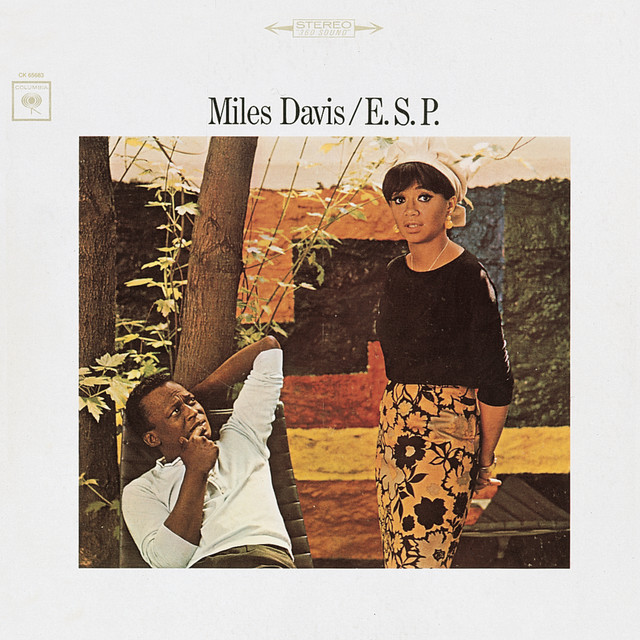
E.S.P.E.S.P.Miles Davis · 1965 (1965) was the first studio album by Miles Davis
Miles Davisマイルス・デイヴィス's Second Great Quintet. Wayne Shorter
Wayne Shorterウェイン・ショーター emerged as music director, presenting a new compositional vocabulary on "Iris," "ESP," and others.
Herbie Hancock's albums
On the title track of NefertitiNefertitiMiles Davis · 1968 (1967), the Miles Davis
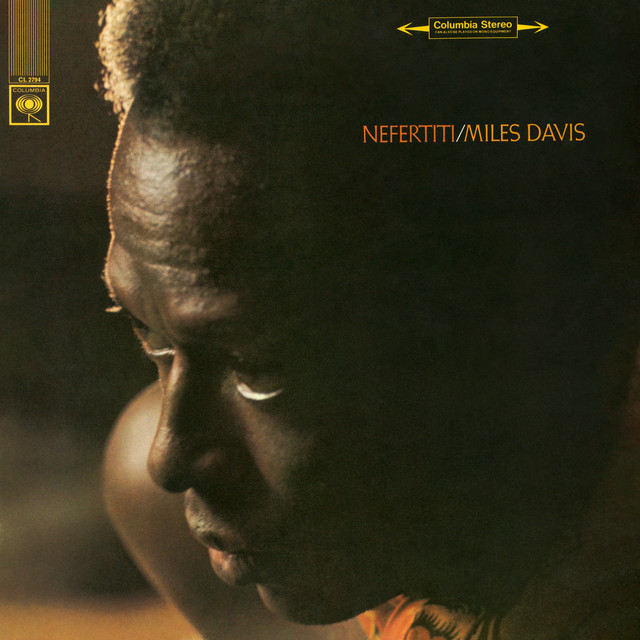
Miles Davisマイルス・デイヴィス/Wayne Shorter
Wayne Shorterウェイン・ショーター front line repeats a single melody while the rhythm section improvises around them — an inverted approach that was avant-garde for its time.
— Footprints: The Life and Work of Wayne Shorter, Michelle Mercer, 2004
Herbie Hancock's leader album
Empyrean IslesEmpyrean IslesHerbie Hancock · 1964 (1964) was Herbie Hancock
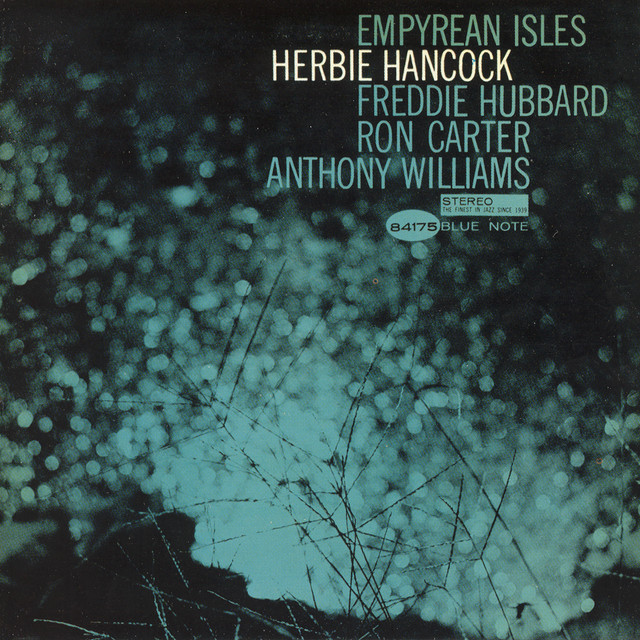
Herbie Hancockハービー・ハンコック's fourth Blue Note album, made at 25. Its "Cantaloupe Island" later became the basis for US3's sampling hit, spreading the tune well beyond the jazz canon.
"Rockit" (1983) became Herbie HancockHerbie Hancockハービー・ハンコック's MTV-era hit, exporting breakdancing and turntable scratching from jazz to global audiences. It won the Grammy for Best R&B Instrumental Performance.
Herbie Hancock's leader album
Freddie HubbardFreddie Hubbardフレディ・ハバード was the sole horn on Herbie Hancock
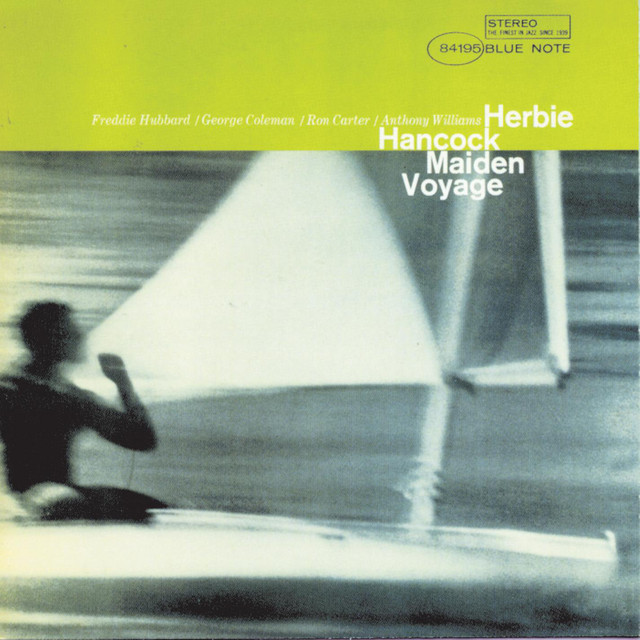
Herbie Hancockハービー・ハンコック's masterpieces Empyrean Isles
Empyrean IslesHerbie Hancock · 1964 (1964) and Maiden Voyage
Maiden VoyageHerbie Hancock · 1965 (1965). His piercing tone and lyrical solos became signatures of Hancock's modal work.
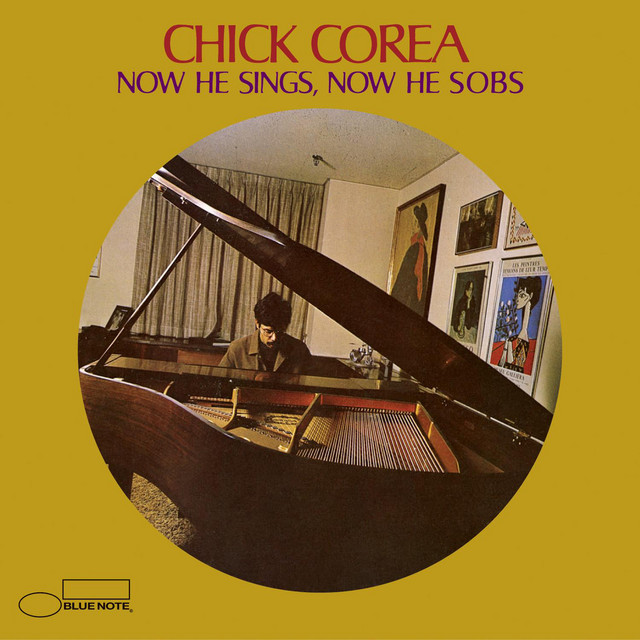
On 1968's Now He Sings, Now He Sobs, Chick CoreaChick Coreaチック・コリア led Miroslav Vitous and Roy Haynes through a trio language that bounced where Herbie Hancock
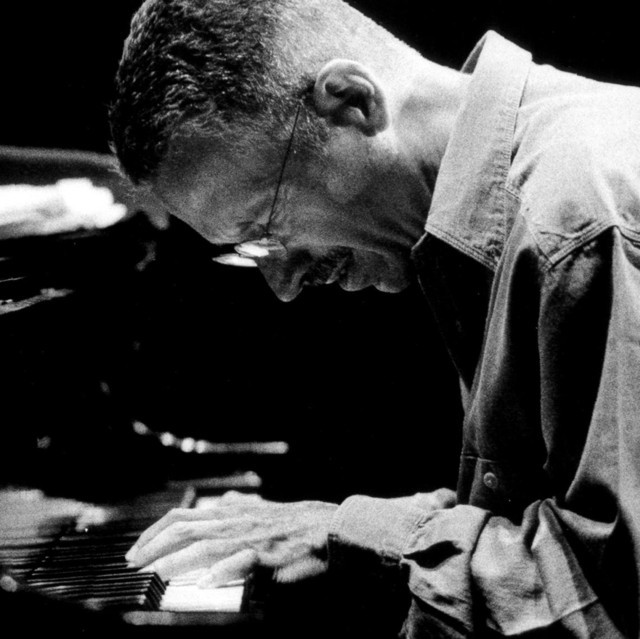
Herbie Hancockハービー・ハンコック and Keith Jarrett
Keith Jarrettキース・ジャレット floated.
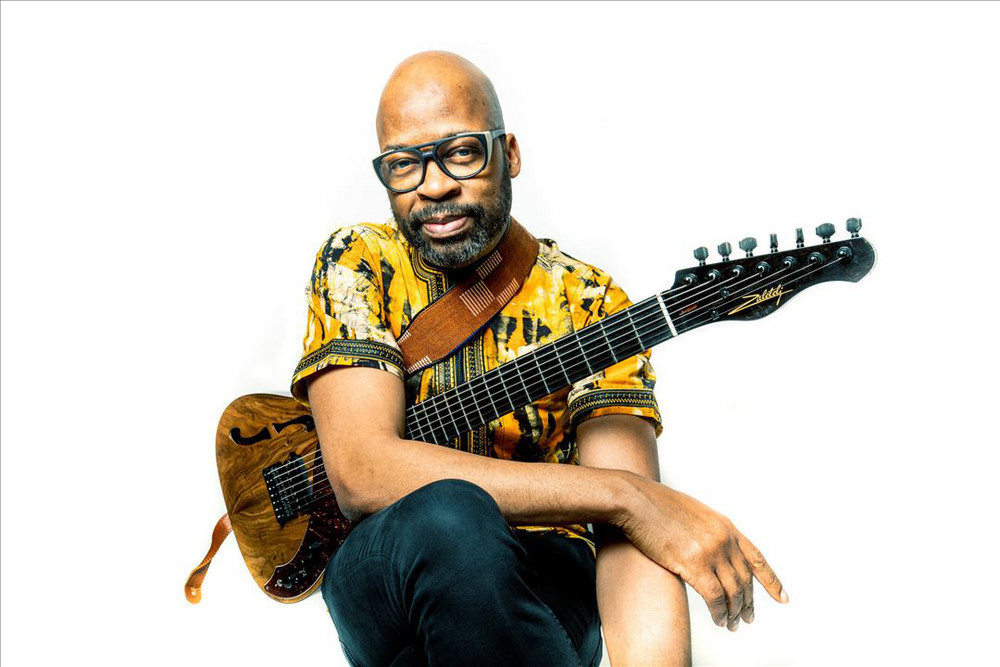
Lionel LouekeLionel Louekeリオーネル・ルエケ, originally from Benin, has played in Herbie Hancock
Herbie Hancockハービー・ハンコック's groups since 2005, fusing West African rhythms with modern jazz guitar. His distinctive percussive clicks and harmonic-rich picking brought new timbres to jazz guitar.