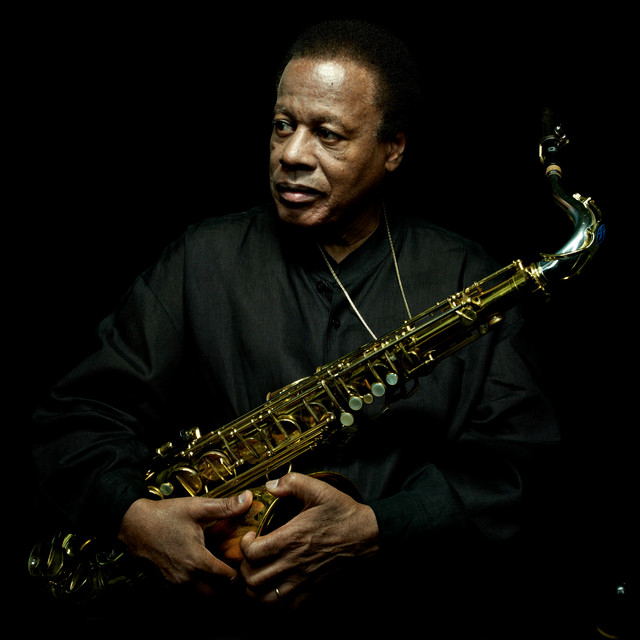
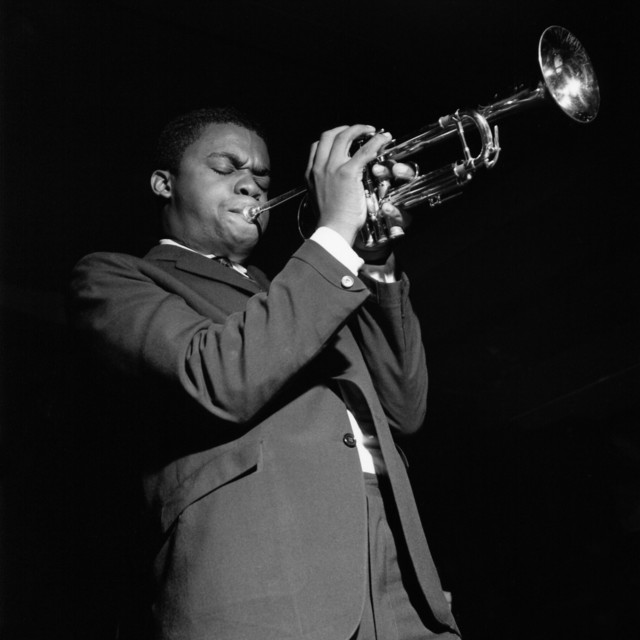
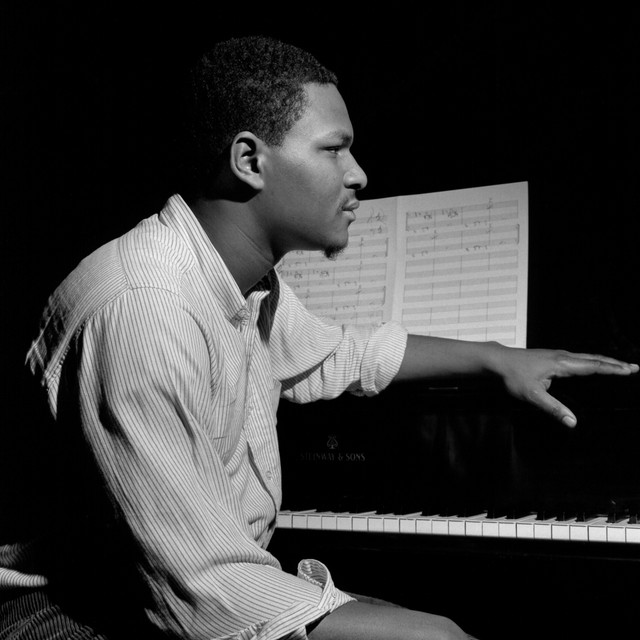
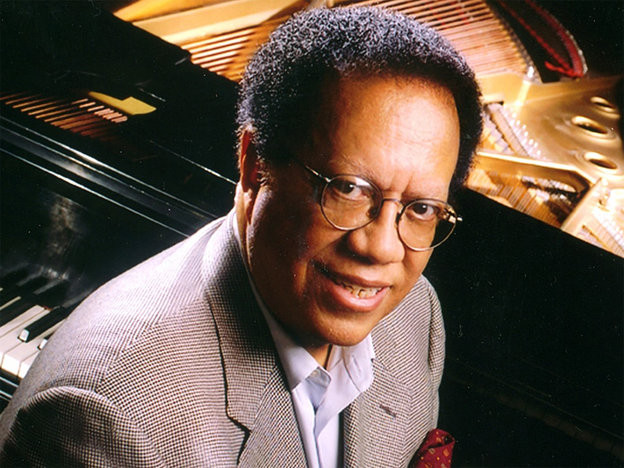
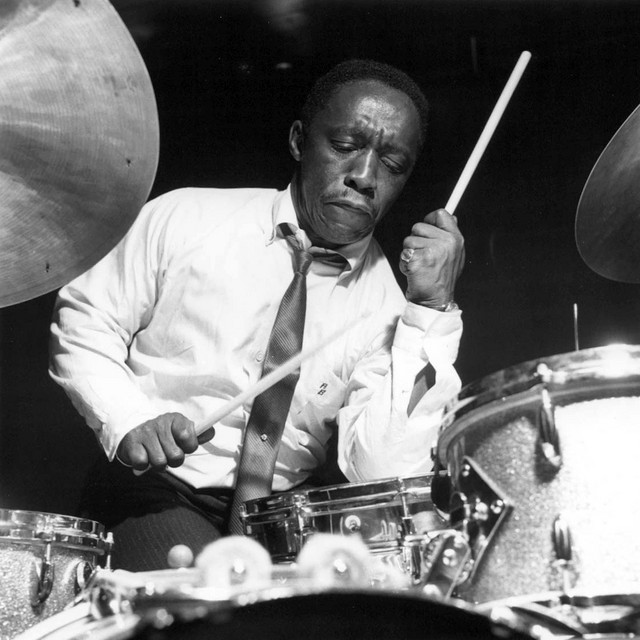
The Jazz Messengers were called a 'school.' Blakey said bringing along young people was the jazz tradition — he launched Lee MorganLee Morganリー・モーガン, Wayne Shorter
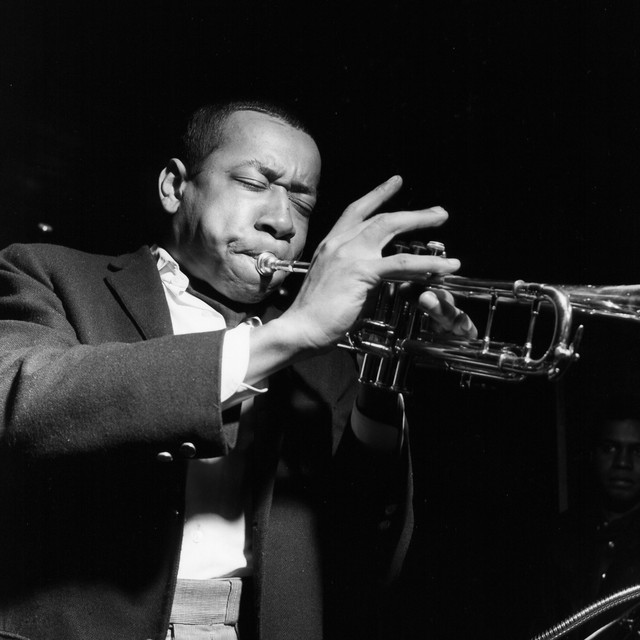
Wayne Shorterウェイン・ショーター, Freddie Hubbard
Freddie Hubbardフレディ・ハバード, and many more.
Freddie Hubbard
(1938–2008)
United States
Freddie Hubbard (1938–2008) — Trumpet, Cornet. Led Hub-Tones. Worked with Herbie Hancock, Ron Carter, Wayne Shorter.
Hubbard attacks the upper register like a fastball pitcher, but his phrasing is too intelligent to ever feel like mere showing off. His technique is without ceiling, and the word "strongest" in jazz trumpet fits him more than anyone. He simply had the most ferocious command of the instrument.
Freddie Hubbard's albums
The 1964–66 Blue Note period was when Wayne ShorterWayne Shorterウェイン・ショーター's compositional voice matured rapidly. On Night Dreamer
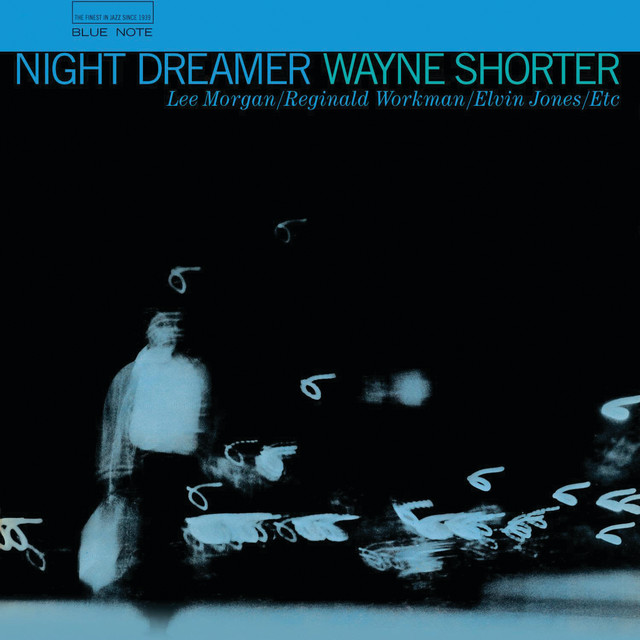
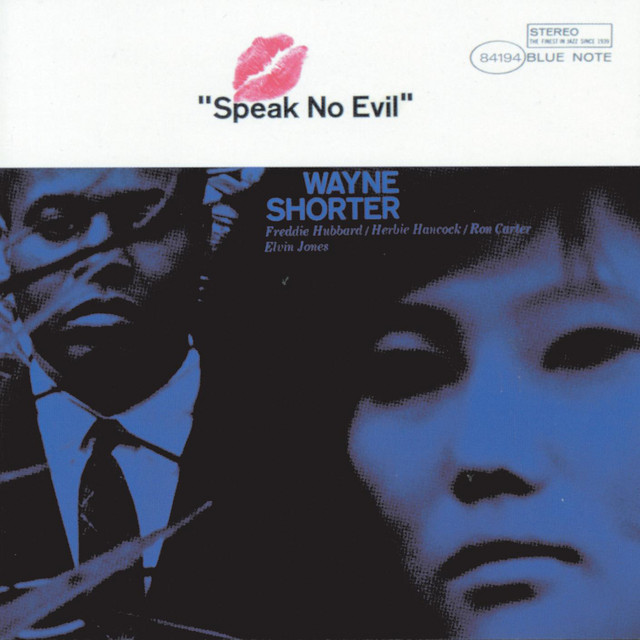
Night DreamerWayne Shorter · 1964 and Speak No Evil
Speak No EvilWayne Shorter · 1966 he established his signature 'mysterious beauty' language. Lee Morgan
Lee Morganリー・モーガン, McCoy Tyner
McCoy Tynerマッコイ・タイナー, and Elvin Jones
Elvin Jonesエルヴィン・ジョーンズ brought it to life.
Freddie Hubbard's albums
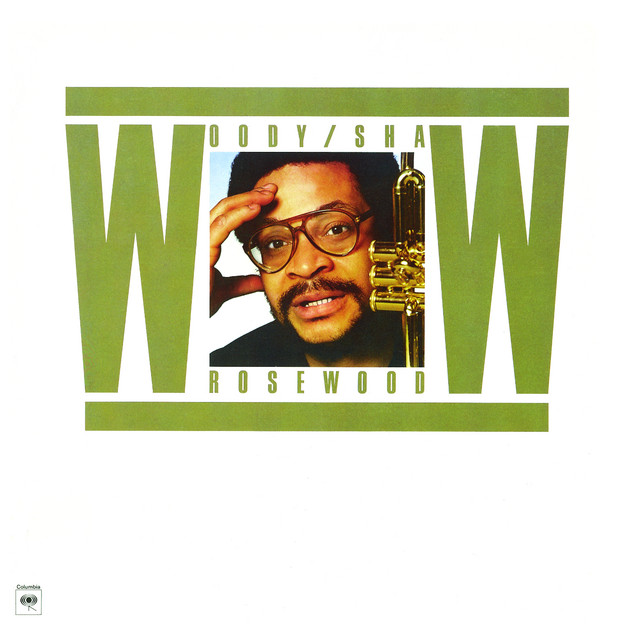
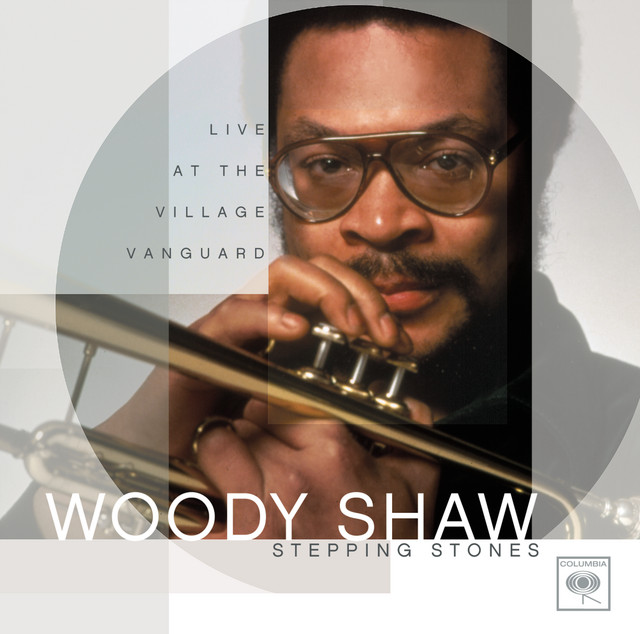
Woody ShawWoody Shawウディ・ショウ extended the post-bop trumpet vocabulary through the 1970s on Blue Note, absorbing free elements while remaining grounded in the tradition. Around 1980 he brought a young Mulgrew Miller
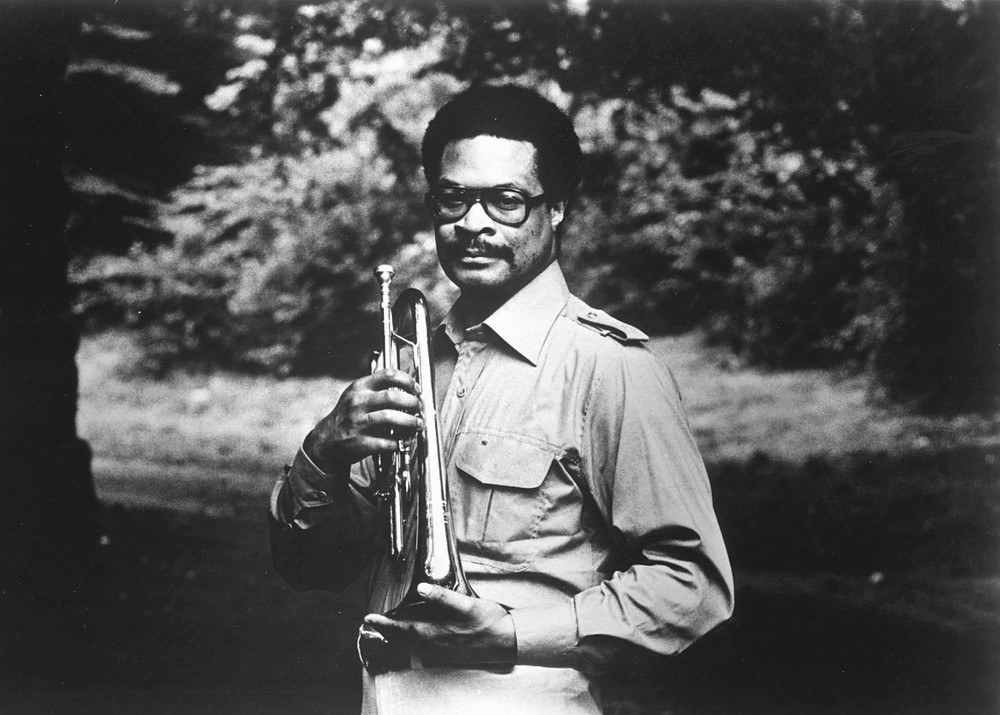
Mulgrew Millerマルグリュー・ミラー into his band. Shaw died in 1989 at 44.
Freddie Hubbard's albums
Speak No EvilSpeak No EvilWayne Shorter · 1966 (December 1964) is widely cited as Wayne Shorter
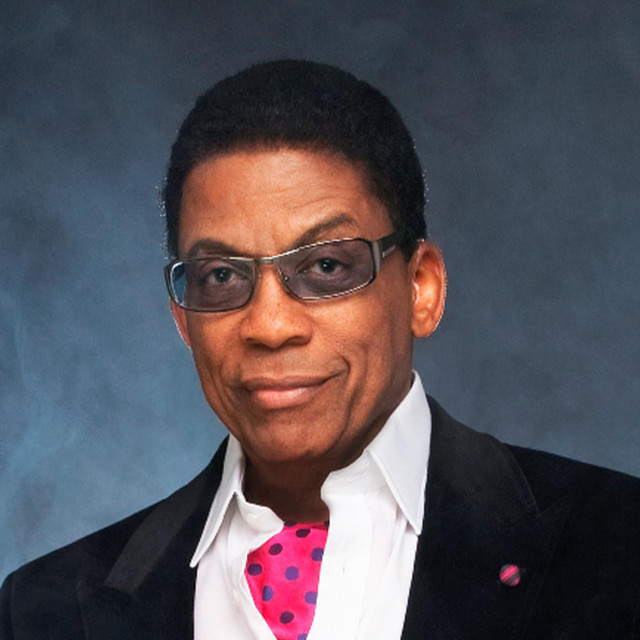
Wayne Shorterウェイン・ショーター's Blue Note masterpiece. Freddie Hubbard
Freddie Hubbardフレディ・ハバード in the front line, three Second Great Quintet members (Herbie Hancock
Herbie Hancockハービー・ハンコック, Ron Carter
Ron Carterロン・カーター), plus Elvin Jones
Elvin Jonesエルヴィン・ジョーンズ — a dream lineup.
— Footprints: The Life and Work of Wayne Shorter, Michelle Mercer, 2004
Freddie Hubbard's videos
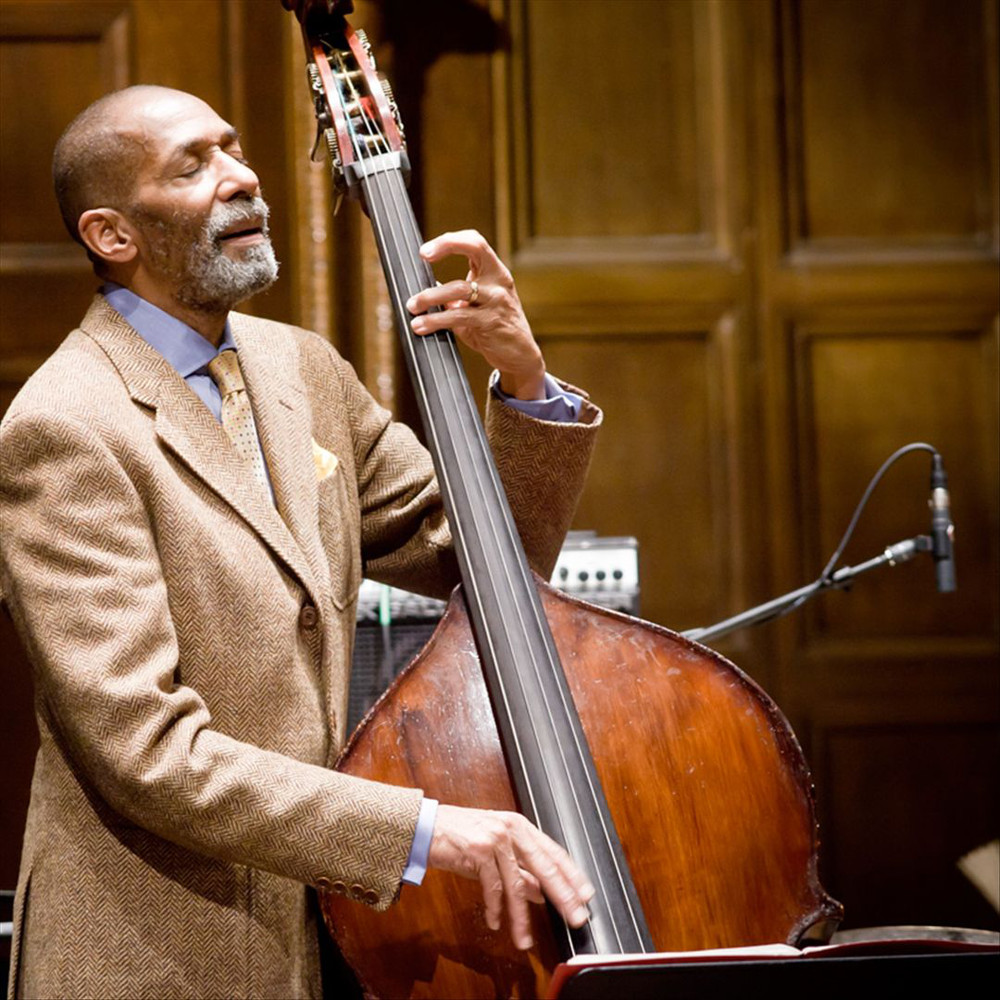
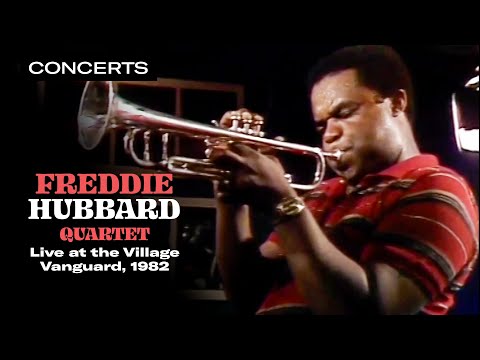
June 24, 1982, Village Vanguard. Freddie HubbardFreddie Hubbardフレディ・ハバード Quartet featuring Ron Carter
Ron Carterロン・カーター on bass. Freddie Hubbard
Freddie Hubbardフレディ・ハバード's trumpet carries the tension and lyricism of hard bop at its peak.
Freddie Hubbard's albums
Empyrean IslesEmpyrean IslesHerbie Hancock · 1964 (1964) was Herbie Hancock
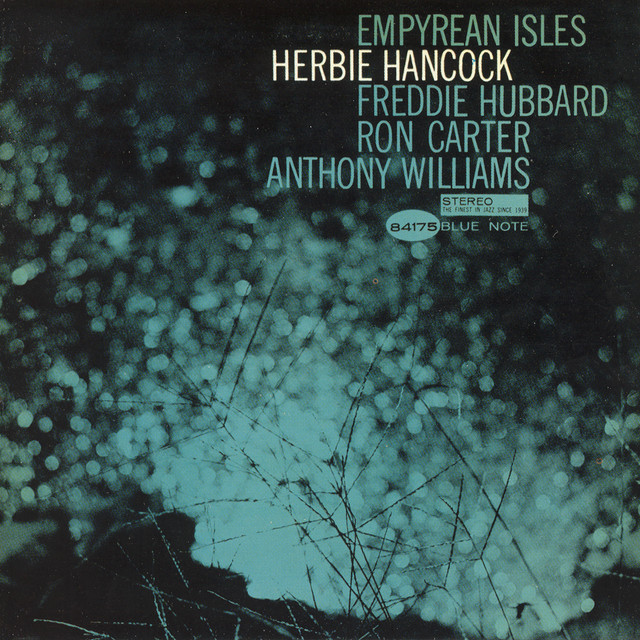
Herbie Hancockハービー・ハンコック's fourth Blue Note album, made at 25. Its "Cantaloupe Island" later became the basis for US3's sampling hit, spreading the tune well beyond the jazz canon.
Freddie Hubbard's albums
Recorded in October 1961, MosaicMosaicArt Blakey · 1961 inaugurated the six-piece Messengers with Freddie Hubbard
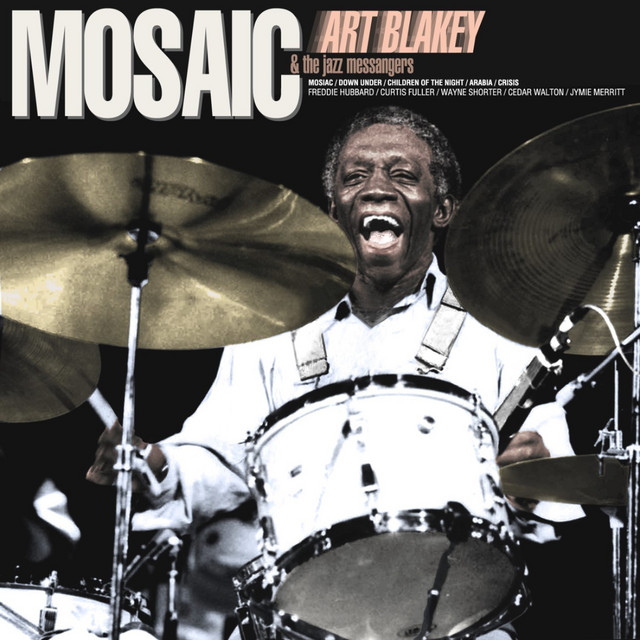
Freddie Hubbardフレディ・ハバード, Curtis Fuller
Curtis Fullerカーティス・フラー, Wayne Shorter
Wayne Shorterウェイン・ショーター, Cedar Walton
Cedar Waltonシダー・ウォルトン and Jymie Merritt. The three-horn front line opened a new chapter for the band.
In 1960 the 22-year-old Freddie HubbardFreddie Hubbardフレディ・ハバード signed with Blue Note and debuted as a leader on 'Open Sesame.' He also played on Ornette Coleman's 'Free Jazz' that year and Eric Dolphy's 'Out to Lunch' (1964), proving fluent in both old and new languages.
Freddie Hubbard's albums
Freddie HubbardFreddie Hubbardフレディ・ハバード was the sole horn on Herbie Hancock
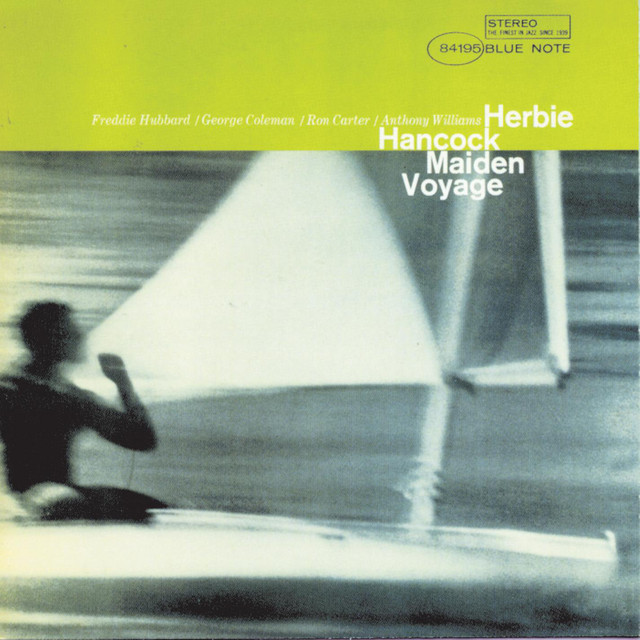
Herbie Hancockハービー・ハンコック's masterpieces Empyrean Isles
Empyrean IslesHerbie Hancock · 1964 (1964) and Maiden Voyage
Maiden VoyageHerbie Hancock · 1965 (1965). His piercing tone and lyrical solos became signatures of Hancock's modal work.
Freddie HubbardFreddie Hubbardフレディ・ハバード served in Art Blakey
Art Blakeyアート・ブレイキー's Jazz Messengers from 1961 to 1964, forming a three-horn front line with Wayne Shorter
Wayne Shorterウェイン・ショーター and Curtis Fuller
Curtis Fullerカーティス・フラー. The Messengers experience shaped his discipline and range as a player.
Freddie Hubbard's albums
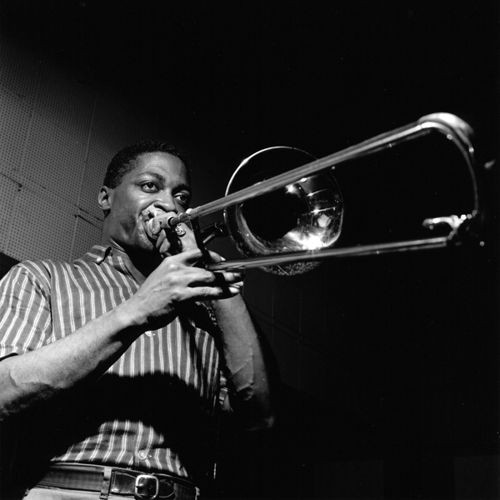
Curtis FullerCurtis Fullerカーティス・フラー co-founded the Jazztet with Benny Golson in 1959, then anchored the trombone chair in Art Blakey
Art Blakeyアート・ブレイキー's three-horn Messengers from 1961 to 1965. On Mosaic
MosaicArt Blakey · 1961 his robust tone was key to the band's density.