Portland, OR, United States·Berklee College of Music
Esperanza Spalding (b. 1984) — Double Bass, Vocals. Led Chamber Music Society, Radio Music Society, Emily's D+Evolution. Worked with Matthew Stevens, Justin Tyson, Marcus Gilmore.
She plays bass and sings at the same time. Her music refuses jazz's borders — pop, Brazilian music, and classical elements move freely through her sound. Her Grammy win for Best New Artist over Justin Bieber announced her to the world, though the serious jazz community already knew.
Esperanza Spalding's leader album
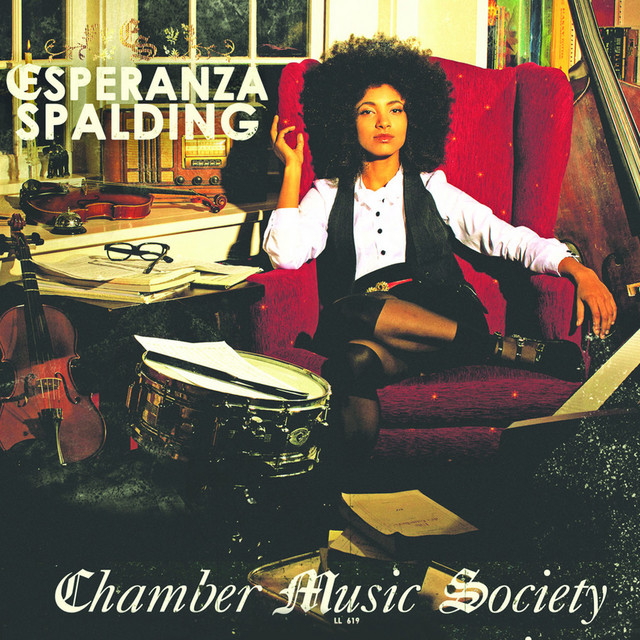
Chamber Music Society
Esperanza Spalding · 2010
Radio Music Society
Esperanza Spalding · 2012
The 2011 Grammy for Best New Artist was the first time a jazz musician had won the category. Esperanza SpaldingEsperanza Spaldingエスペランサ・スポルディング, beating Justin Bieber and Drake. Chamber Music SocietyChamber Music SocietyEsperanza Spalding · 2010 (2010) moved across classical, jazz, and Brazilian music without genre anxiety — that fearlessness was her statement.
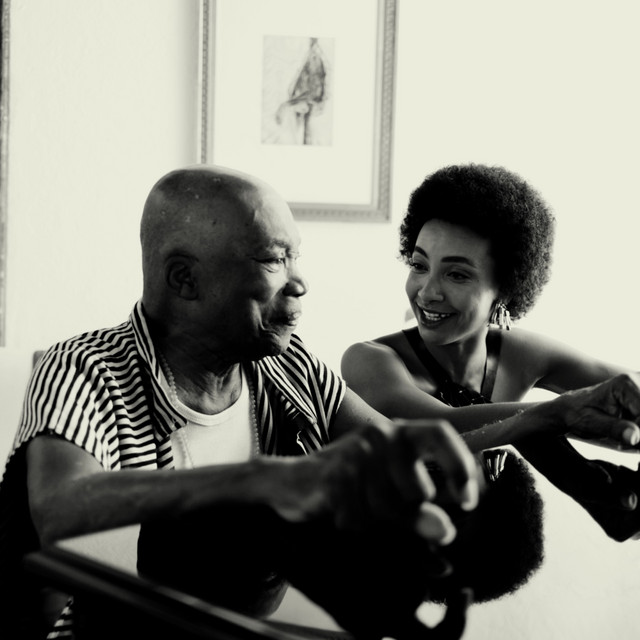
2010, before Esperanza SpaldingEsperanza Spaldingエスペランサ・スポルディング became widely known. 'Chamber Music SocietyChamber Music SocietyEsperanza Spalding · 2010' material — the very image of singing while holding the bass, the gesture that came to define her early career.
Esperanza SpaldingEsperanza Spaldingエスペランサ・スポルディング conceived 12 Little Spells as a twelve-song cycle keyed to body parts: "Thang" for the thoracic spine, "You Have to Dance" for the thighs, and so on. In her NPR interview she described wanting to treat the act of composition itself as a healing gesture.
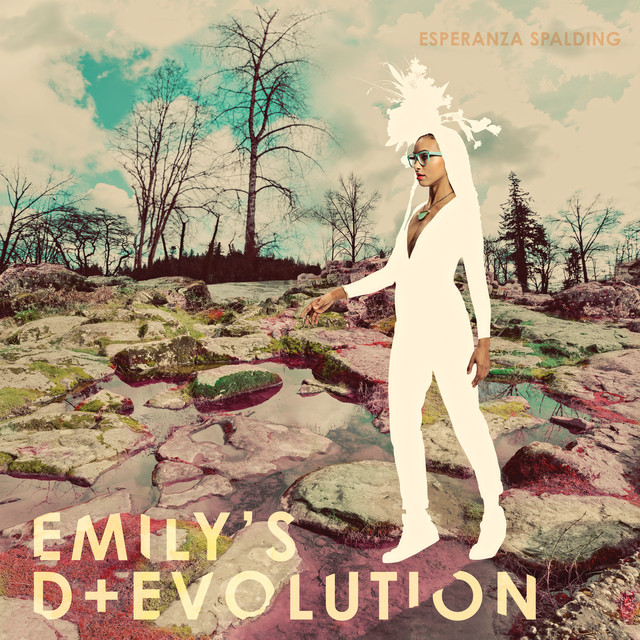
Adopting an alter ego built around her middle name, Emily, gave Esperanza SpaldingEsperanza Spaldingエスペランサ・スポルディング a theatrical frame for stepping outside her own career. In her NPR conversation she described Emily as a device for letting "the child me ask questions of the adult me."
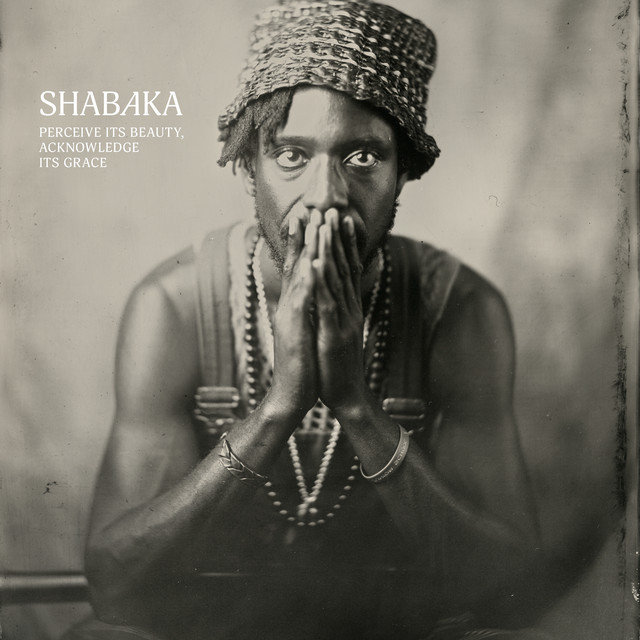
For Perceive Its Beauty, Acknowledge Its Grace, Shabaka HutchingsShabaka Hutchingsシャバカ・ハッチングス enlisted Andre 3000, Floating Points, Esperanza SpaldingEsperanza Spaldingエスペランサ・スポルディング, and Moses Sumney. As The Wire reported, sessions began as short solo improvisations and the songs' outlines emerged afterward through editing with Carlos Nino.