Cecile McLorin Salvant's videos
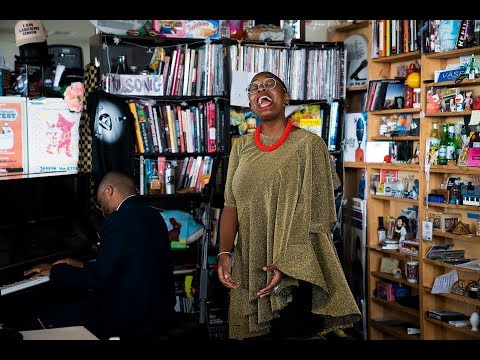
The 2018 Tiny Desk, a duo with pianist Sullivan Fortner. The space between voice and keys speaks louder than the song selection.
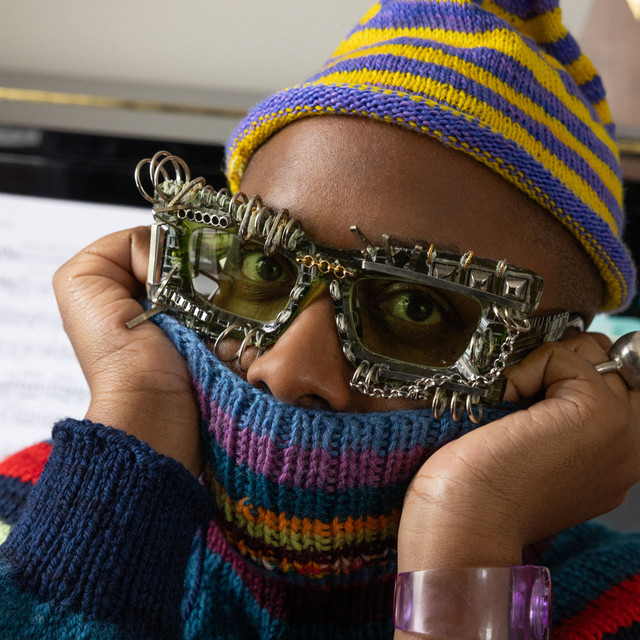
(1989–)
Miami, FL, United States
Cecile McLorin Salvant (b. 1989) — Vocals, Piano. Led WomanChild, Dreams and Daggers, Ghost Song. Worked with Aaron Diehl, James Chirillo, Sullivan Fortner.
Thelonious Monk Competition winner. She has absorbed the entire tradition of jazz singing at a deep scholarly level, then made it entirely her own. Her expressive range is staggering — humor and gravity can inhabit the same breath. When she sings a standard it sounds like it is being sung for the very first time.
Cecile McLorin Salvant's videos
The 2018 Tiny Desk, a duo with pianist Sullivan Fortner. The space between voice and keys speaks louder than the song selection.
Cecile McLorin Salvant
A bassist from Gainesville, Florida who moved to NYC in 2007 to study at Juilliard. The trio he formed with pianist Aaron Diehl and drummer Lawrence Leathers became Cécile McLorin Salvant's working band, appearing on her first three albums.
Cecile McLorin Salvant's leader album
Since around 2015 Sikivie has shifted toward composing and arranging; on Salvant's 2017 album Dreams and Daggers (Mack Avenue) he wrote string-quartet-and-piano-trio arrangements for six tracks. The album won the Grammy for Best Jazz Vocal Album.
Cecile McLorin Salvant said
'Singing old songs isn't archaeology. It's finding out what the song wants to say through me, now'
On her approach to interpreting standards and songs from the past.
Cecile McLorin Salvant said
"Singing is one form of storytelling for me. The voice is a tool — the goal is elsewhere."
From The New Yorker interview around the premiere of Ogresse.
In the library. Sota turned in his future plans form blank. On not thinking about anything.