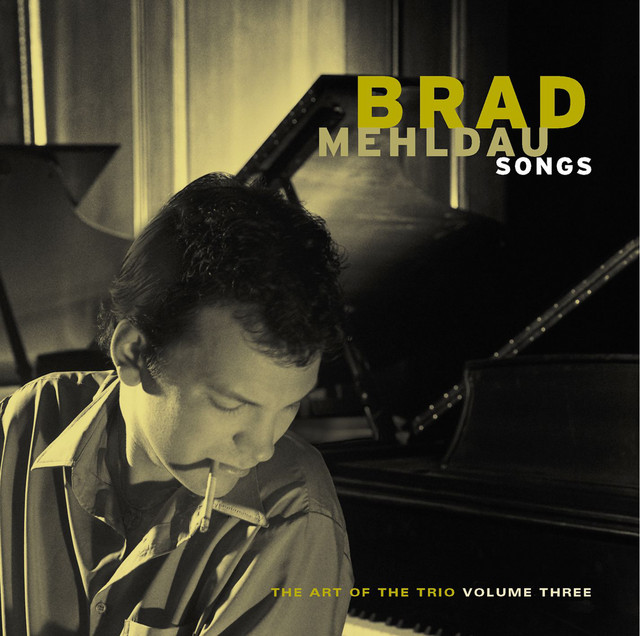
Brad Mehldau's leader album
The late-90s Mehldau trio inherited the conversational model of the Bill Evans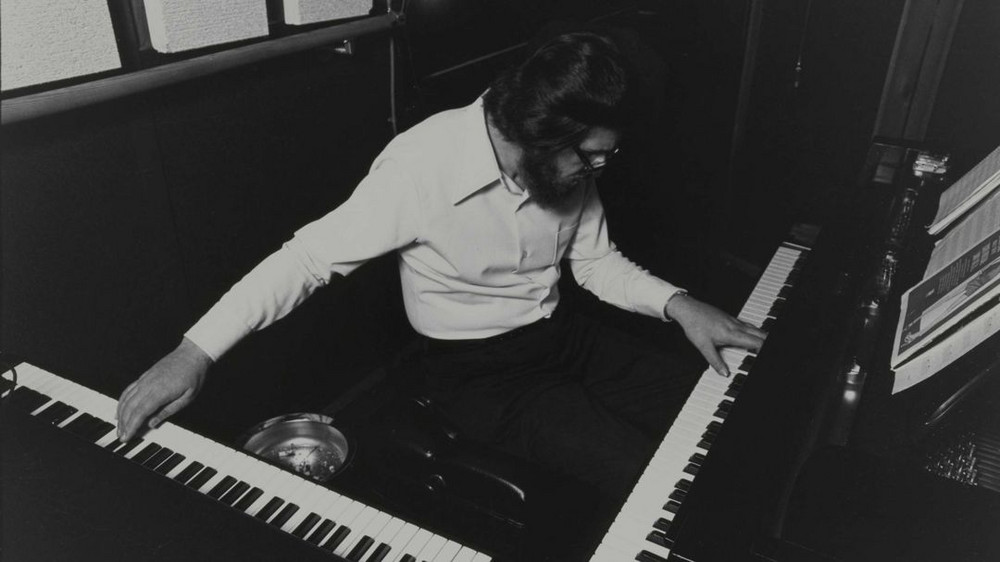
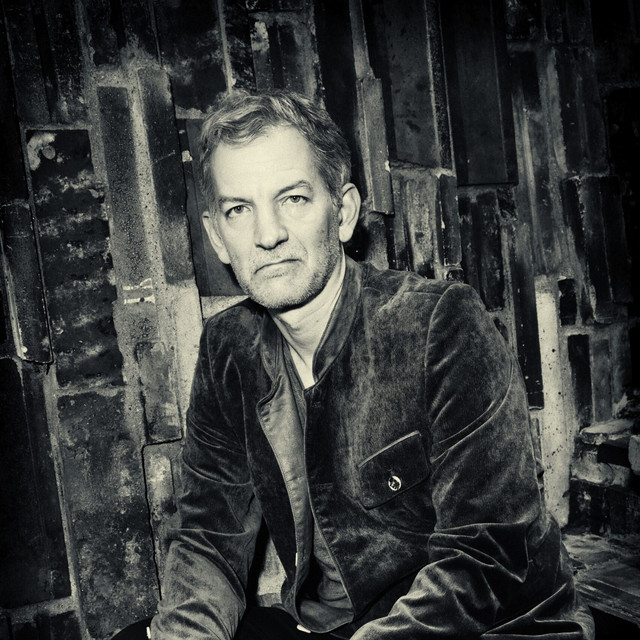
(1970–)
Jacksonville, FL, United States·Manhattan School of Music
Brad Mehldau (b. 1970) — Piano. Led The Art of the Trio, Vol. 3, Day Is Done, Metheny Mehldau. Worked with Larry Grenadier, Joshua Redman, Jeff Ballard.
Mehldau brought rock and pop sensibilities into the jazz piano trio without diluting either. Radiohead, Beatles — whatever he covers becomes completely jazz. His right hand spins long, sinuous phrases with a distinctive rhythmic elasticity that is impossible to imitate. The definitive contemporary trio pianist.
Brad Mehldau's leader album
The late-90s Mehldau trio inherited the conversational model of the Bill Evans
Brad Mehldau's albums
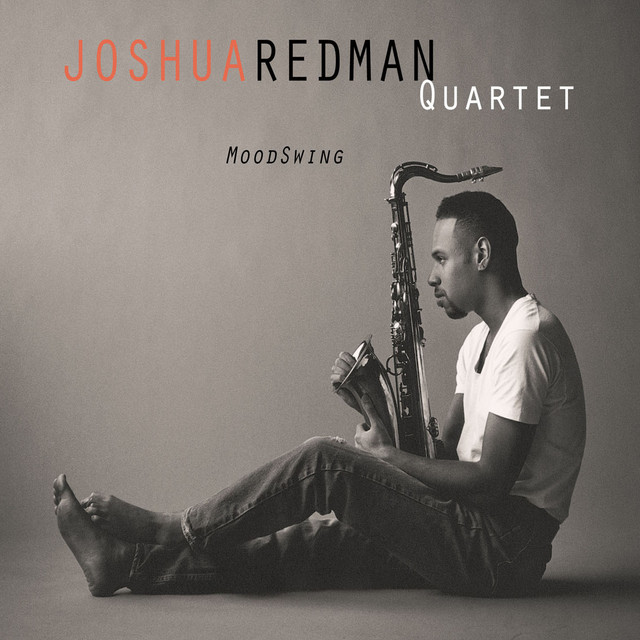
MoodSwing (1994) captured these four in the middle of their separate ascents. Mehldau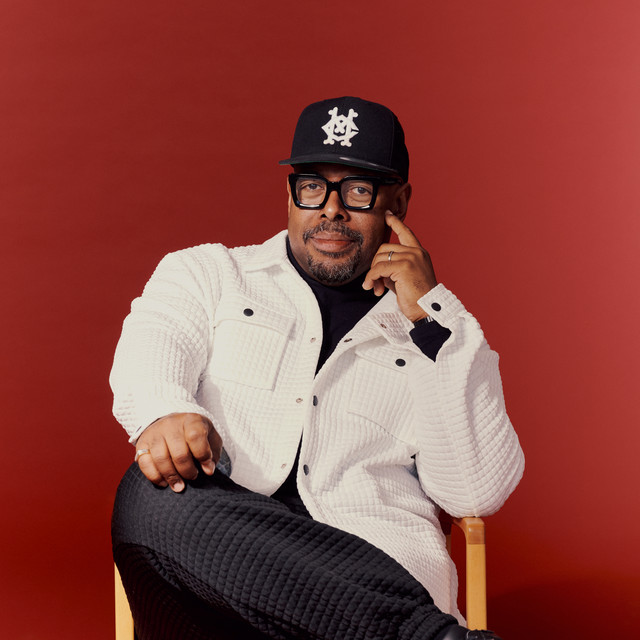
Brad Mehldau's albums
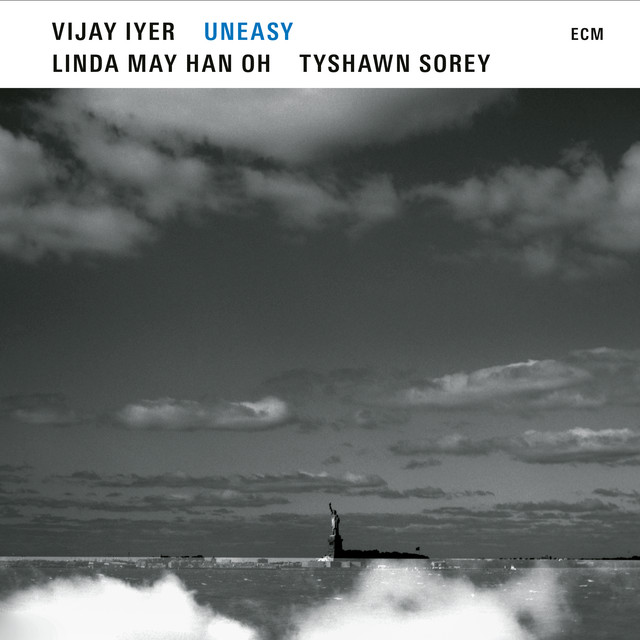
Born in Australia, Linda May Han Oh

Brad Mehldau's videos
Brad Mehldau
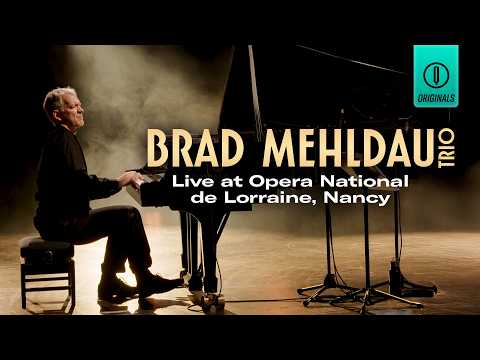 — Brad Mehldau Trio - Live at Opera National de Lorraine, Nancy, Qwest TV, 2024
On 2018's After Bach, Brad Mehldau
On his 1995 debut Yam Yam, Mark Turner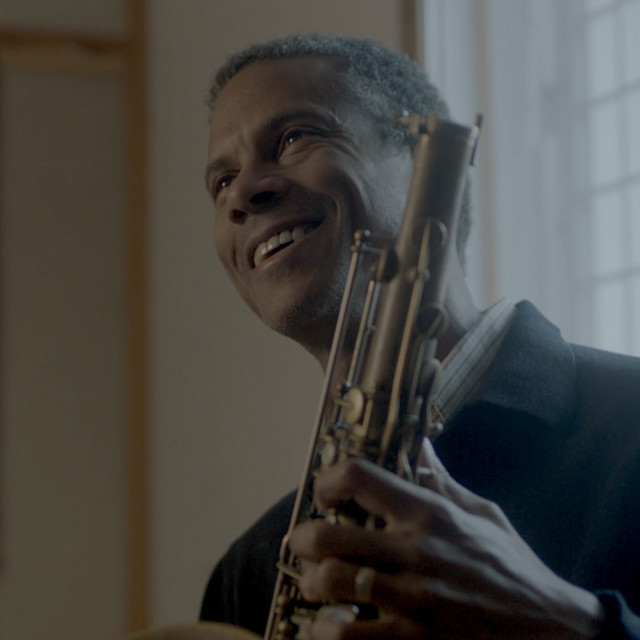
Jorge Rossy
Brad Mehldau said
"Counterpoint is a device that erases the line between composition and improvisation. I use it to converse with myself."
Said to JazzTimes about the making of After Bach (2018).
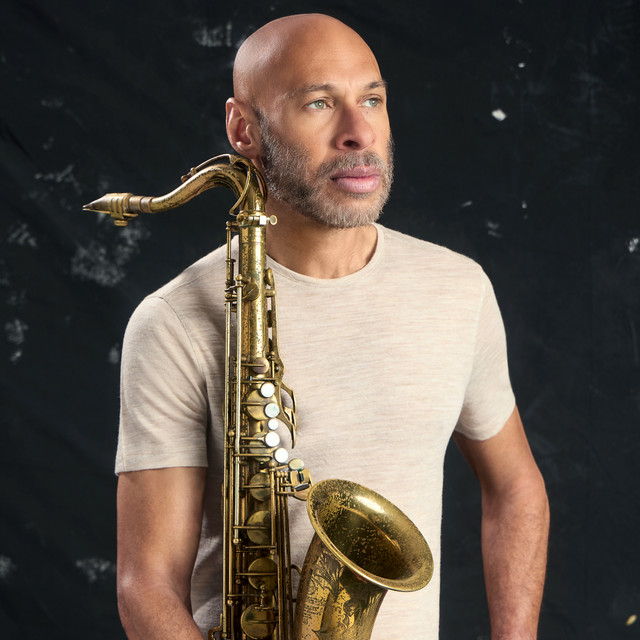 Joshua Redman