Bill Evans's leader album

The June 1961 Village Vanguard sessions captured the peak of two years of conversational jazz the three had developed together. Ten days later, LaFaroScott LaFaroスコット・ラファロ died in a car accident at 25.
(1929–1980)
Plainfield, NJ, United States·Manhattan School of Music
Bill Evans (1929–1980) — Piano. Led Everybody Digs Bill Evans, Waltz for Debby, Sunday at the Village Vanguard. Worked with Scott LaFaro, Paul Motian, Paul Chambers.
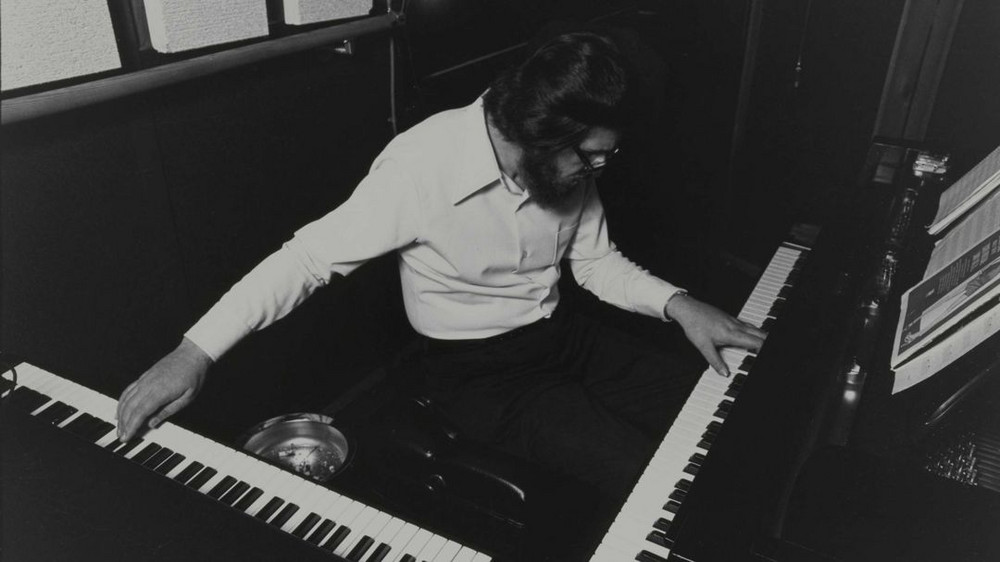
The piano sings in Evans's hands. His touch is delicate, his chord voicings hauntingly beautiful. Even in quiet pieces there is an aching melancholy underneath. He pioneered the piano trio as a conversation between three equals, where the bassist and drummer are as eloquent as the pianist.
Bill Evans's leader album
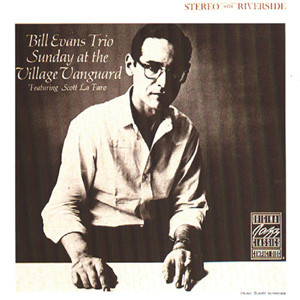
The June 1961 Village Vanguard sessions captured the peak of two years of conversational jazz the three had developed together. Ten days later, LaFaroScott LaFaroスコット・ラファロ died in a car accident at 25.
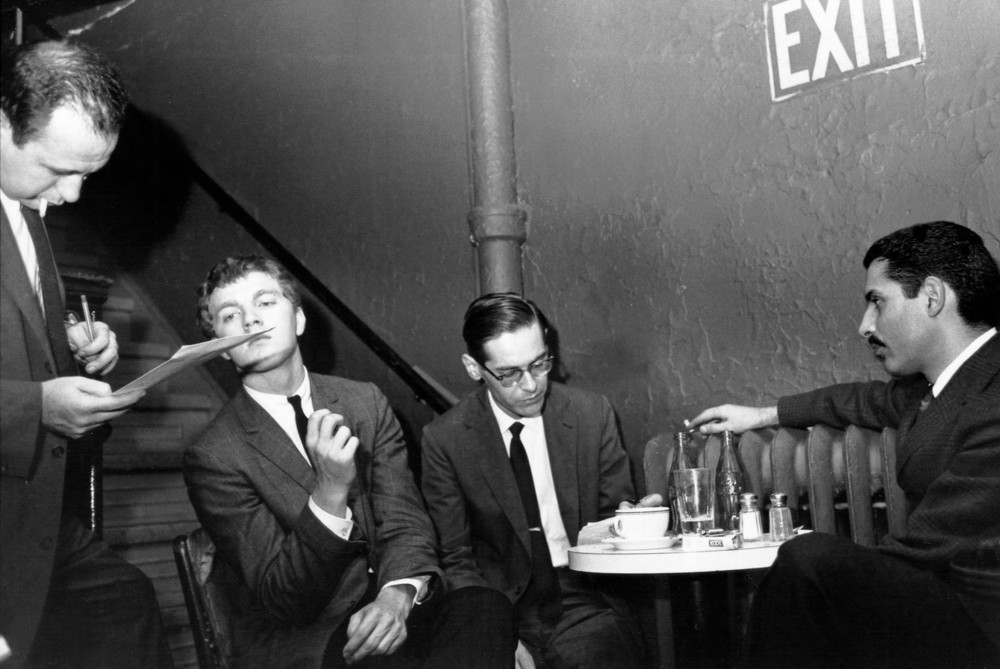
Bill Evans's albums
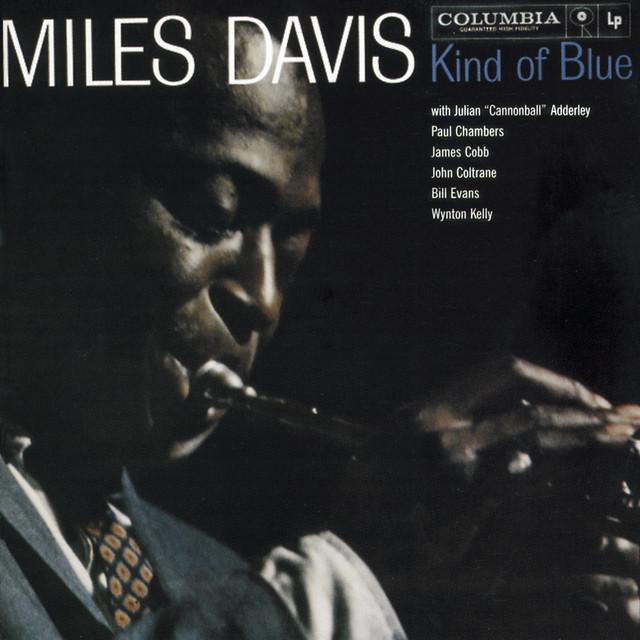
Kind of BlueKind of BlueMiles Davis · 1959 (1959) was recorded almost entirely at sight. Miles
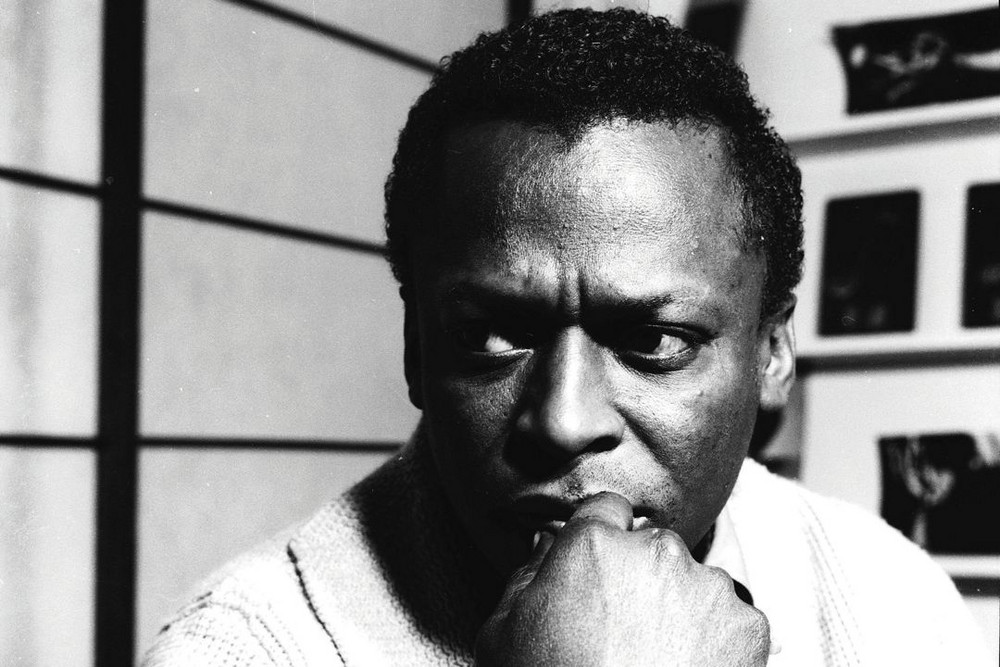
Miles Davisマイルス・デイヴィス showed musicians only the skeletal structures beforehand — no one knew what they were playing until the day. Bill Evans
Bill Evansビル・エヴァンス's liner notes defined how to hear the record.
— Kind of Blue: The Making of the Miles Davis Masterpiece, Ashley Kahn, 2000
Bill Evans's albums
Wynton KellyWynton Kellyウィントン・ケリー appears on only one track from Kind of Blue
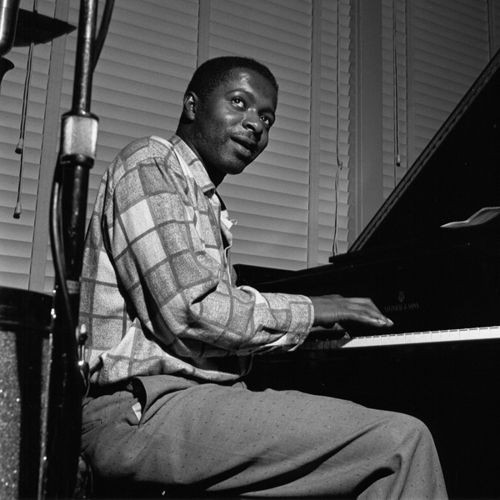
Kind of BlueMiles Davis · 1959 — 'Freddie Freeloader' — while Bill Evans
Bill Evansビル・エヴァンス played the rest. Kelly's blues-drenched phrasing offers a vivid contrast to Evans's impressionism, and that single track remains one of his most celebrated performances.
— Kind of Blue: The Making of the Miles Davis Masterpiece, Ashley Kahn, 2000
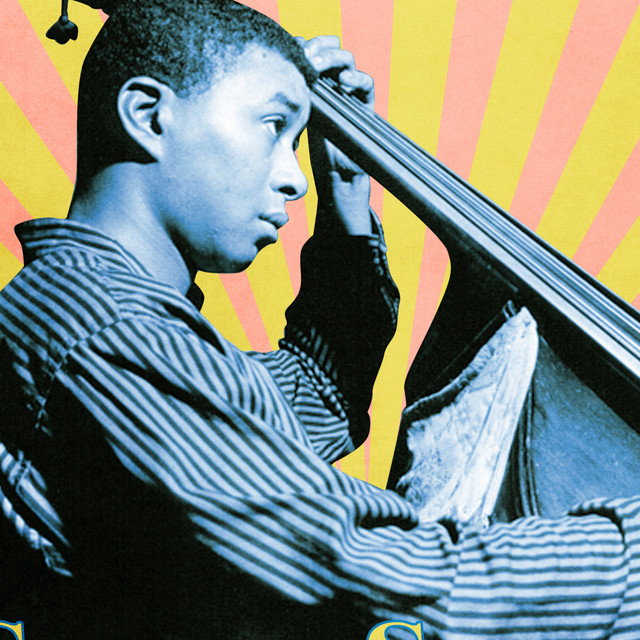
Scott LaFaroScott LaFaroスコット・ラファロ rewrote the role of the bass in jazz. Before him, bass largely kept time with a walking line; Scott LaFaro
Scott LaFaroスコット・ラファロ turned it into an independent melodic voice in contrapuntal dialogue. He died in a car accident eleven days after the Village Vanguard recordings, at age 25.
Bill Evans's albums
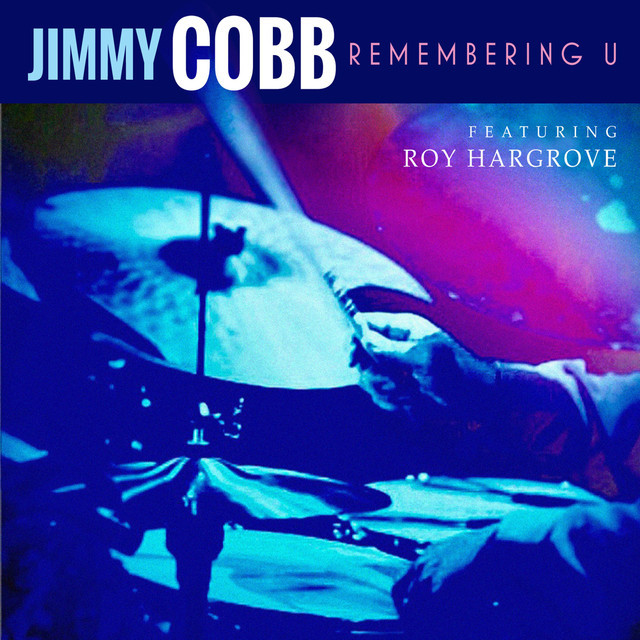
Jimmy CobbJimmy Cobbジミー・コブ is the sole drummer on Kind of Blue
Kind of BlueMiles Davis · 1959 (1959), playing all five tracks. Replacing Philly Joe Jones
Philly Joe Jonesフィリー・ジョー・ジョーンズ in the transitional period between Miles's first and second great quintets, he brought a lighter, more swinging approach.
— Kind of Blue: The Making of the Miles Davis Masterpiece, Ashley Kahn, 2000
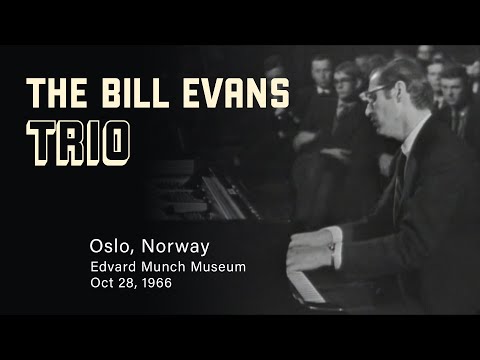
Bill Evans's videos
October 1966, Munch Museum, Oslo. Recorded by NRK with Eddie Gomez and Alex Riel — 'Very Early,' 'Stella By Starlight,' 'Nardis.' Evans finding a new breath in the post-Scott LaFaroScott LaFaroスコット・ラファロ era.
Bill Evans's leader album
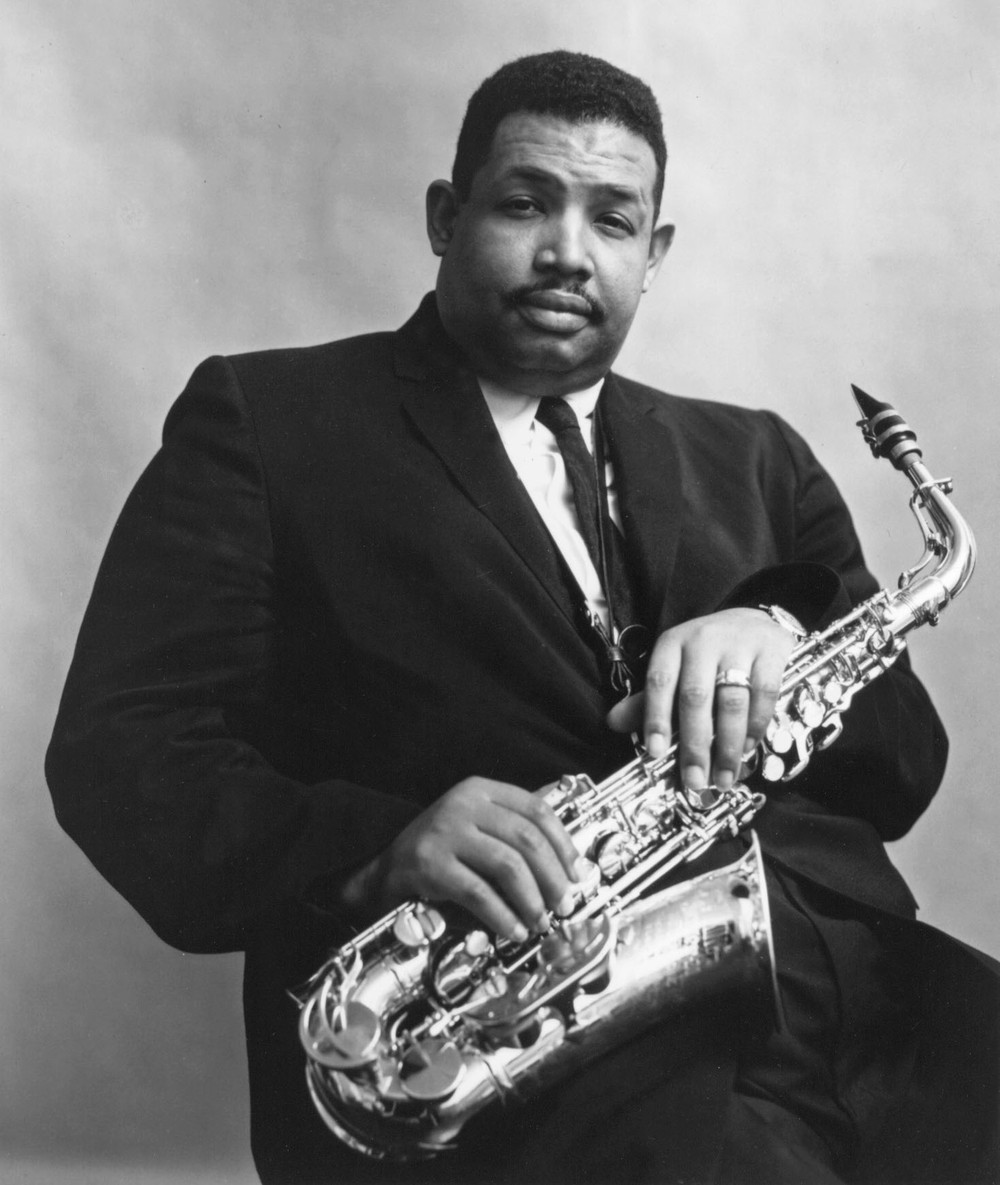
Everybody Digs Bill EvansEverybody Digs Bill EvansBill Evans · 1958 (December 1958) features the unedited 14-minute improvisation "Peace Piece." The cover carried endorsements from Cannonball Adderley
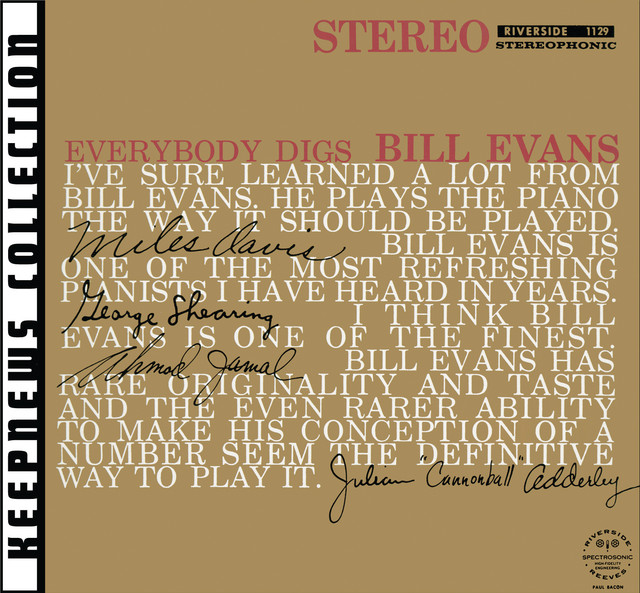
Cannonball Adderleyキャノンボール・アダレイ and George Shearing — a critical seal of approval.
Bill Evans's leader album
ExplorationsExplorationsBill Evans · 1961 (February 1961) was the second Bill Evans
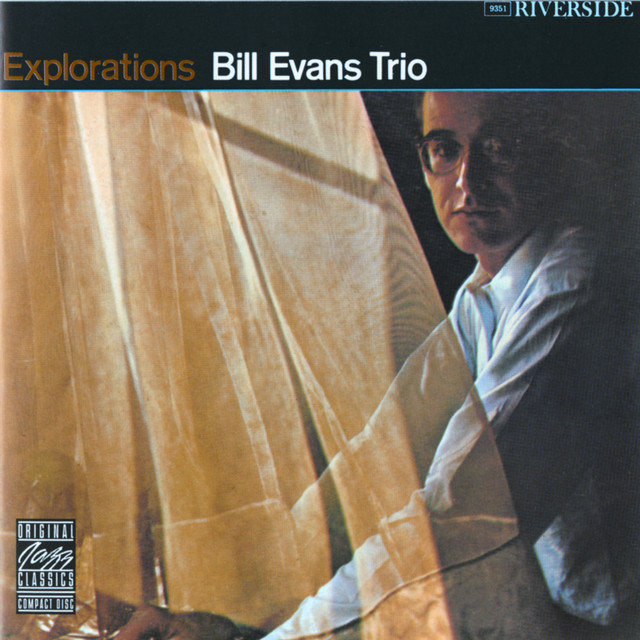
Bill Evansビル・エヴァンス Trio album. The conversational interplay with Scott LaFaro
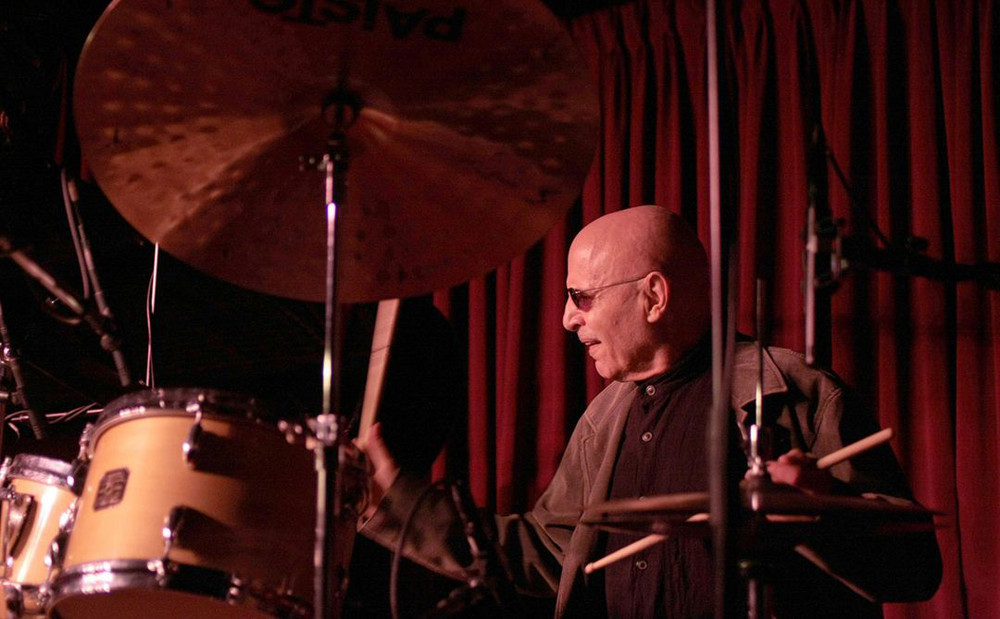
Scott LaFaroスコット・ラファロ and Paul Motian
Paul Motianポール・モチアン approached its mature form — though Pettinger notes the trio had been arguing right before the session.
In 1974, Bill EvansBill Evansビル・エヴァンス recorded the orchestral work Symbiosis with classical composer Claus Ogerman — a fusion of improvisation and composition for piano and orchestra. Evans called it the recording he was proudest of in his late years.
From 1966 to 1977, Bill EvansBill Evansビル・エヴァンス's regular bassist was Eddie Gomez — the longest-lasting trio after Scott LaFaro
Scott LaFaroスコット・ラファロ's death. Their dialogue formed the core of Evans's late-period sound for over a decade.
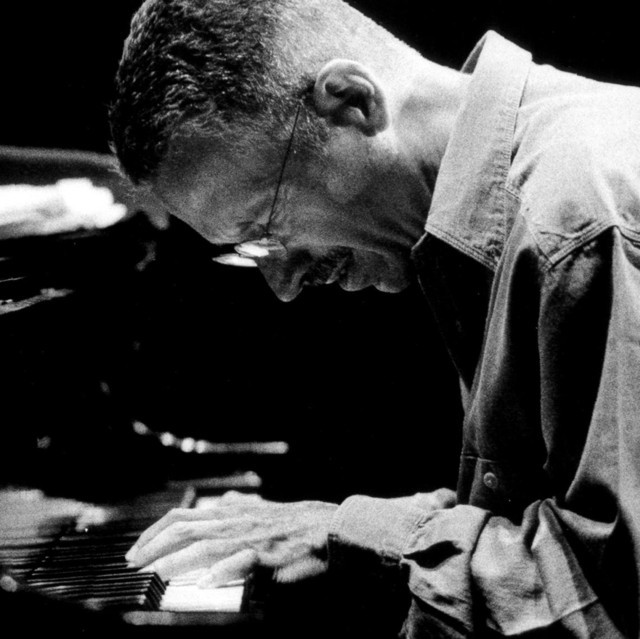
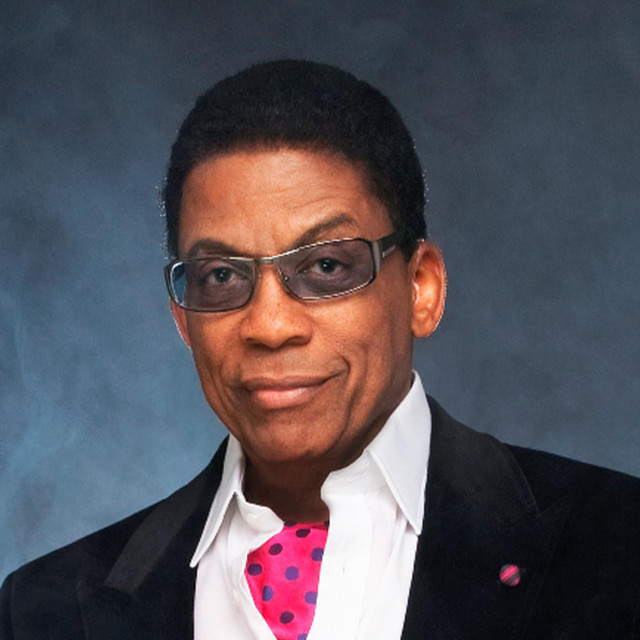
Bill EvansBill Evansビル・エヴァンス decisively shaped the next generation of pianists — including Keith Jarrett
Keith Jarrettキース・ジャレット and Herbie Hancock
Herbie Hancockハービー・ハンコック. His notion of "making the piano sing" and his approach to harmony became the benchmark for modern jazz piano.
Bill Evans's leader album
The cover of Everybody Digs Bill EvansEverybody Digs Bill EvansBill Evans · 1958 carries an endorsement from Cannonball Adderley
Cannonball Adderleyキャノンボール・アダレイ: 'I dig him. He's a rare talent.' The blurb helped push the still-unknown Bill Evans
Bill Evansビル・エヴァンス into wider recognition.
In spring 1958 Red GarlandRed Garlandレッド・ガーランド left Miles Davis
Miles Davisマイルス・デイヴィス over disputes about pay and repertoire, and Bill Evans
Bill Evansビル・エヴァンス took his place. The swap proved decisive in preparing the modal sound that would soon define the band.
— Kind of Blue: The Making of the Miles Davis Masterpiece, Ashley Kahn, 2000
Bill Evans said
"We were trying to have a conversation with three voices. Instead of one accompanying, three voices each speak."
On the philosophy of his trio with Scott LaFaro and Paul Motian.
About Bill Evans
'a sound like crystal notes or sparkling water cascading down from some clear waterfall'
Miles's description of Bill Evans's sound, recounted in his autobiography.