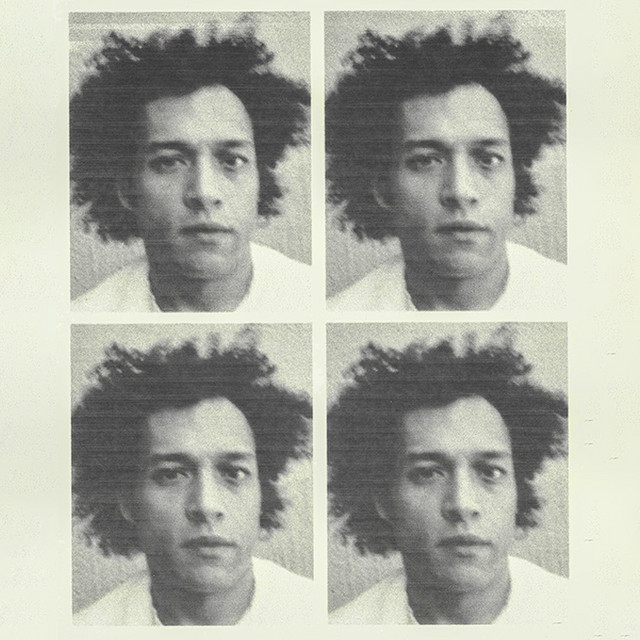
Makaya McCraven's Three Methods
Makaya McCraven
Episode:Can't Blame the Other Person
Record live improvisation, then cut out beats and reconstruct it afterward. What Makaya McCraven does is close to being a jazz drummer and a beatmaker simultaneously. These three tracks are the moment the method was born, the moment it spread to the world, and the moment it reached back into the past. The same person, the same methodology — change only the source material and entirely different music results.
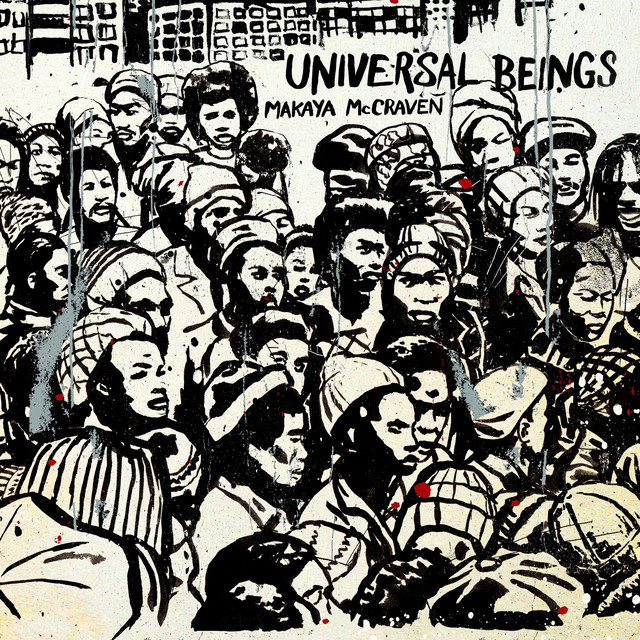
An album where recorded improvised sessions in four cities and reconstructed them afterward. Atlantic Black is on the Chicago Side. on tenor saxophone, Tomeka Reid on cello, Junius Paul on bass. The rawness of live performance remains, but the precision of the beat is abnormally high. Improvised, yet the groove never wavers. The track where McCraven's "cut out afterward" method is most clearly audible.
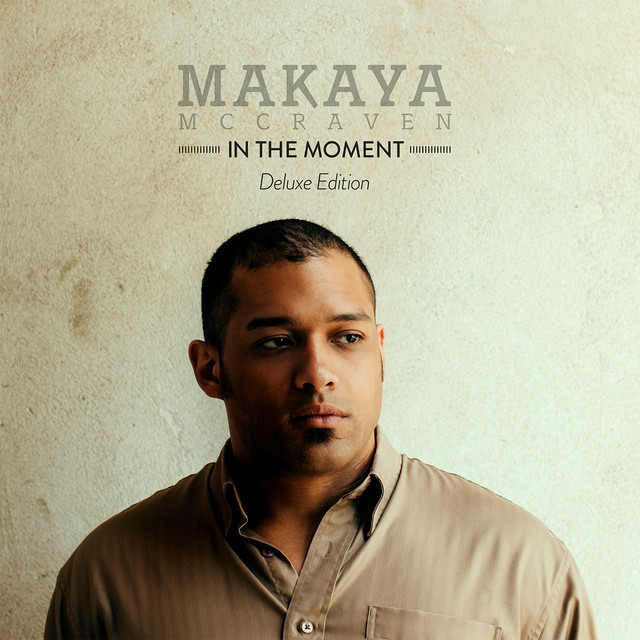
The first album that brought 's name to the world. Over 12 months, 28 sessions were recorded in a converted bank vault in Chicago. 48 hours of material was cut and rebuilt into beats by McCraven at home. If Universal Beings is a polished "work," In the Moment is rawer — the seams of the material are visible. There are moments where improvised fragments become beats directly. What McCraven heard and what he chose to keep shows through the roughness of the editing. The origin point of the methodology.
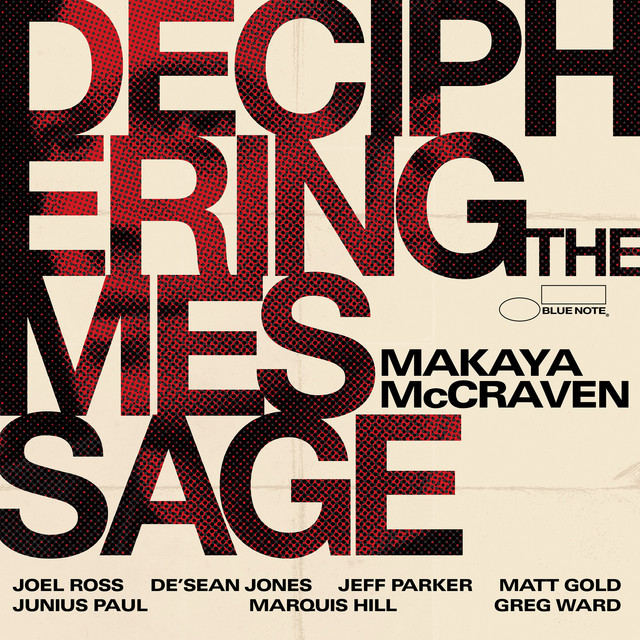
This time the source material isn't their own improvisation — it's Blue Note's back catalog. dismantles an original by and layers in newly recorded vibraphone and Jeff Parker guitar. Past recordings and present performances coexist on a single record. The person who was cutting out their own improvisations on In the Moment is now cutting into Blue Note's history. The method is the same. But because the material is now the past, McCraven's work has shifted from "editing" to "dialogue." Blakey's drums from 60 years ago and McCraven's drums from 2021 are sounding together on the same track.