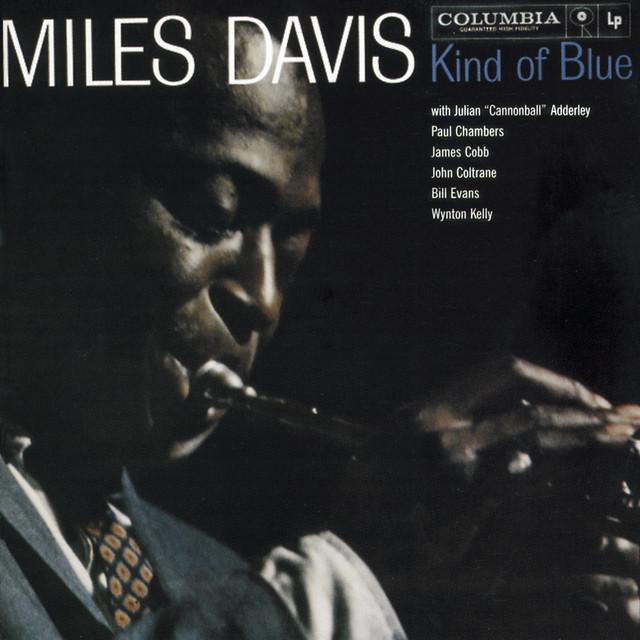
Kind of Blue
Miles Davis · 1959 · Columbia
Personnel
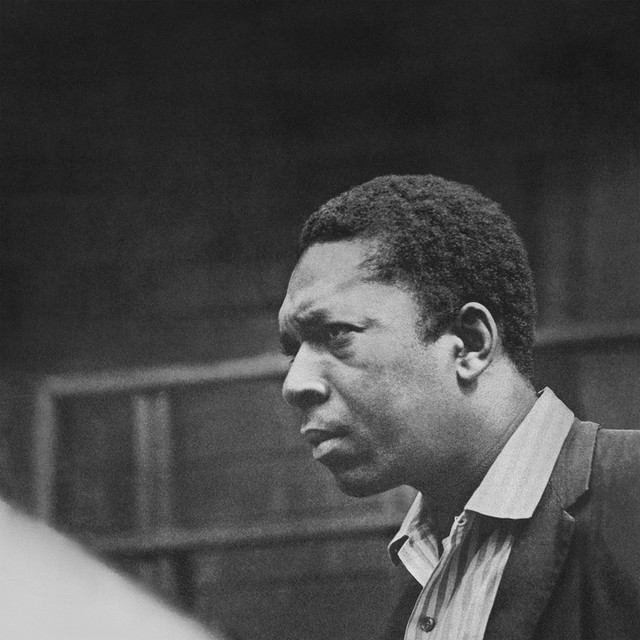
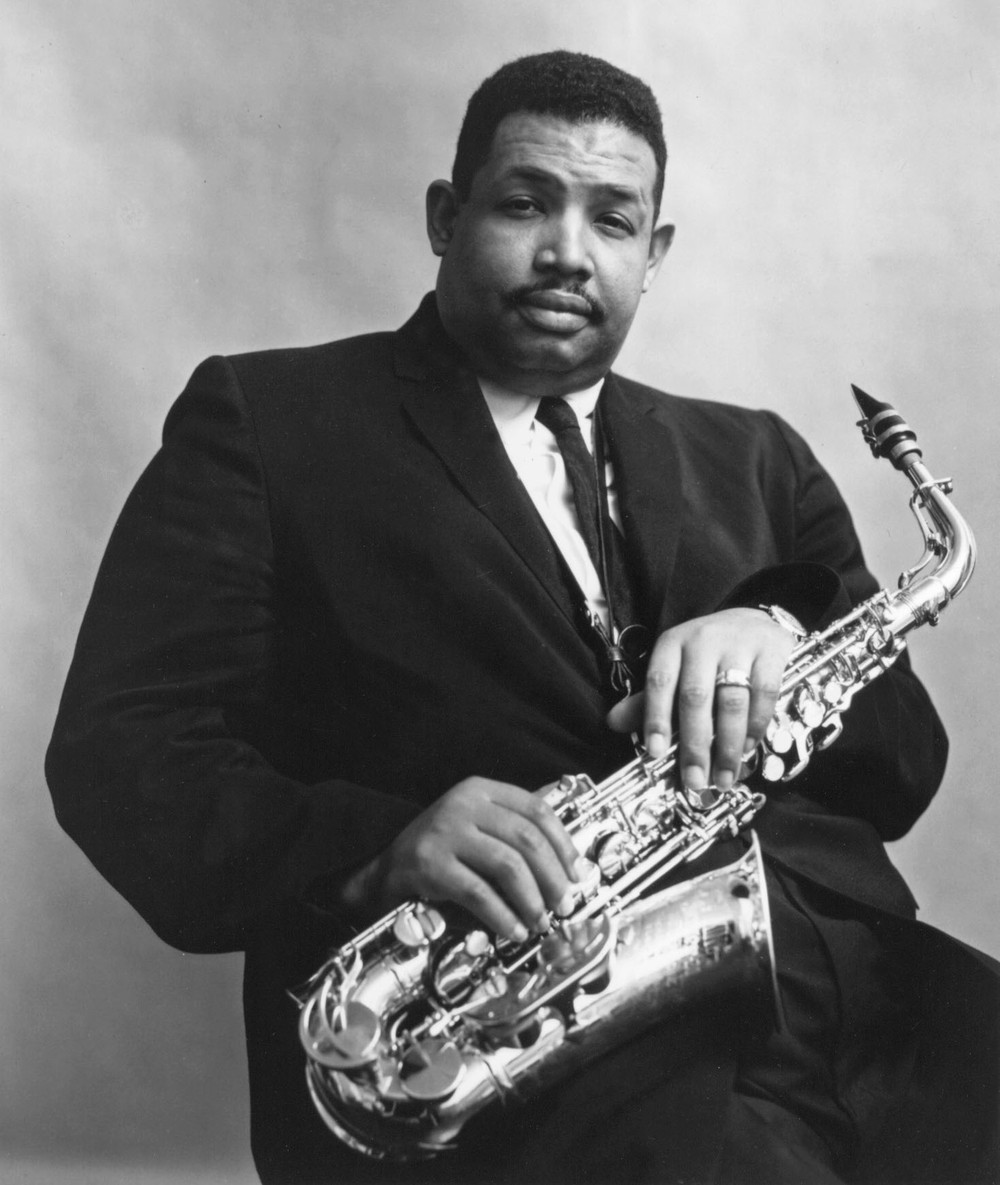
John Coltrane
played Saxophone on this album
Coming from the dense chord changes of hard bop, the spacious modal framework was a liberation for Coltrane. His improvisation on "So What" already hints at the direction he would soon pursue alone.
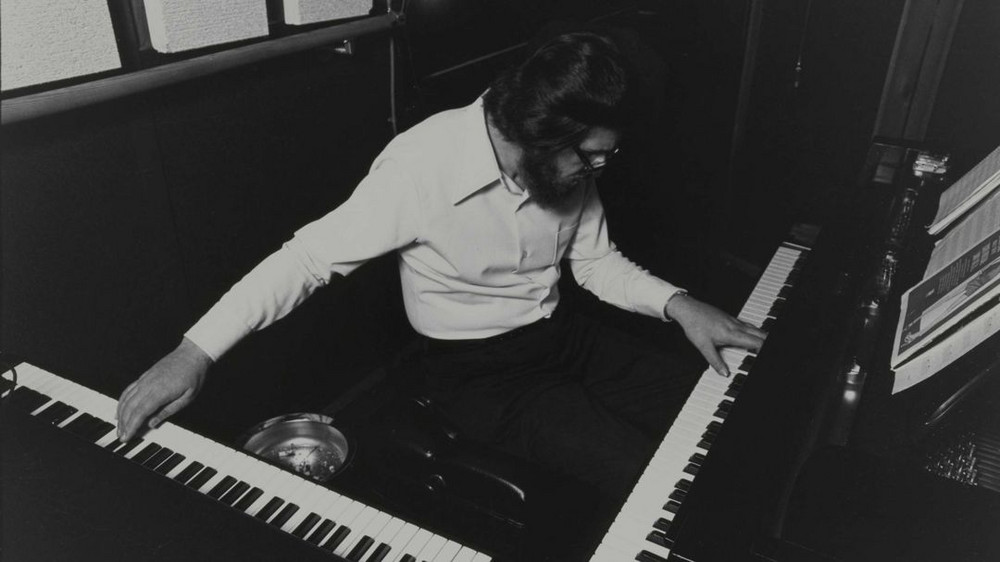
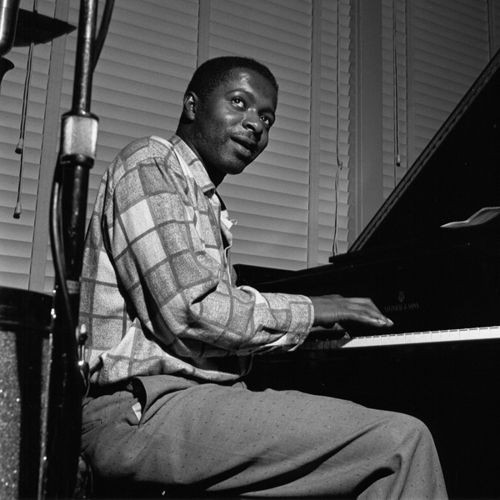
Bill Evans
played Piano on this album
Miles stated he "planned the album around Bill Evans' piano playing." Evans' modal sensibility shaped the entire session, and he also wrote the evocative liner notes on the back cover.
Kind of BlueKind of BlueMiles Davis · 1959 (1959) was recorded almost entirely at sight. Miles
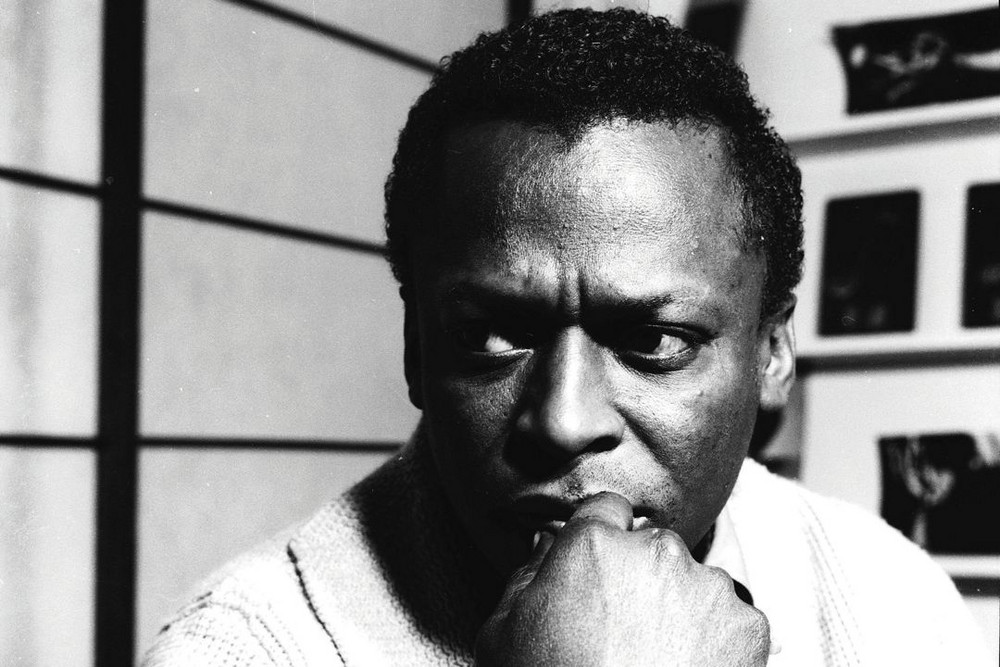
Miles Davisマイルス・デイヴィス showed musicians only the skeletal structures beforehand — no one knew what they were playing until the day. Bill Evans
Bill Evansビル・エヴァンス's liner notes defined how to hear the record.
Wynton KellyWynton Kellyウィントン・ケリー appears on only one track from Kind of Blue
Kind of BlueMiles Davis · 1959 — 'Freddie Freeloader' — while Bill Evans
Bill Evansビル・エヴァンス played the rest. Kelly's blues-drenched phrasing offers a vivid contrast to Evans's impressionism, and that single track remains one of his most celebrated performances.
Cannonball AdderleyCannonball Adderleyキャノンボール・アダレイ recalled being shown Miles Davis
Miles Davisマイルス・デイヴィス's sketches only on the day of the Kind of Blue
Kind of BlueMiles Davis · 1959 sessions. His joyous blues sensibility on 'Freddie Freeloader' and 'All Blues' provided a vivid contrast to John Coltrane
John Coltraneジョン・コルトレーン's introspection.
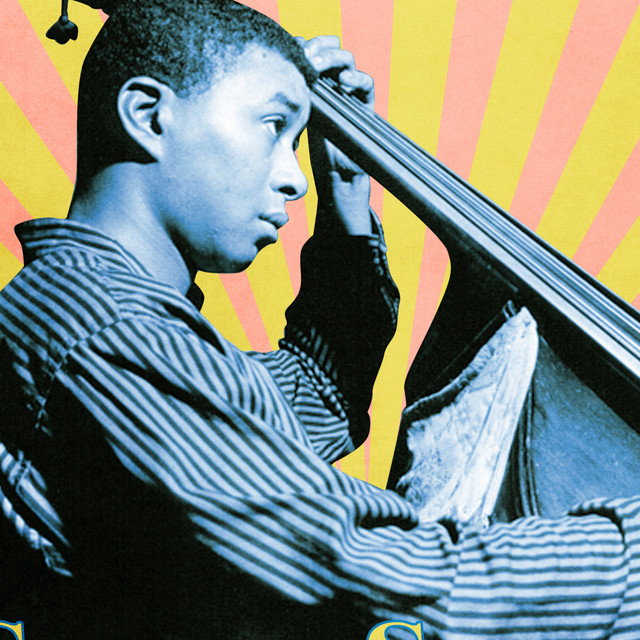
Paul ChambersPaul Chambersポール・チェンバース was a pioneer of arco (bowed) bass in modern jazz. The famous fourths motif that opens 'So What' on Kind of Blue
Kind of BlueMiles Davis · 1959 is a brief duet between Chambers and Bill Evans on piano — helping to inaugurate modal jazz when Chambers was just 24.
Jimmy CobbJimmy Cobbジミー・コブ is the sole drummer on Kind of Blue
Kind of BlueMiles Davis · 1959 (1959), playing all five tracks. Replacing Philly Joe Jones
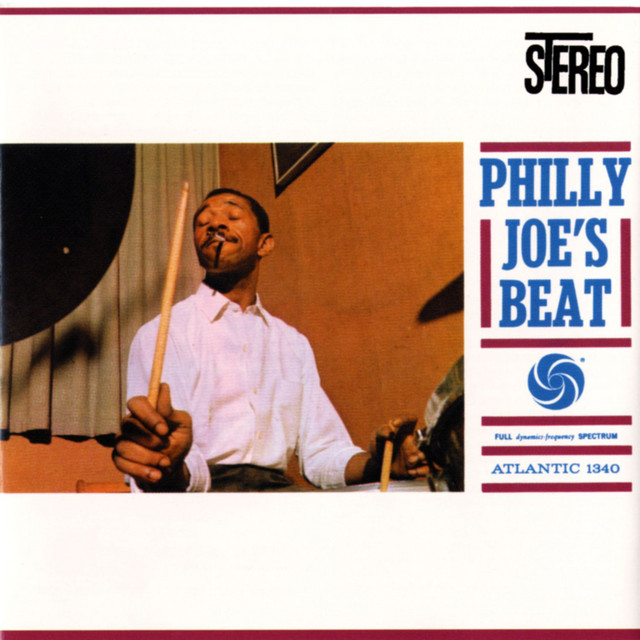
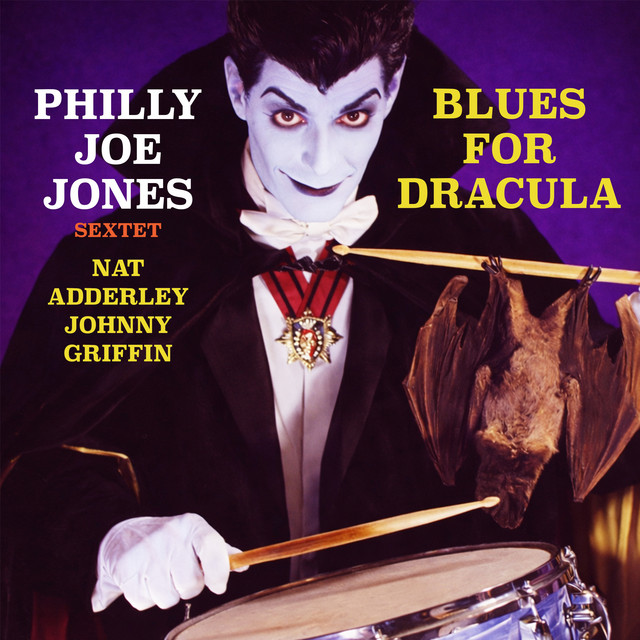
Philly Joe Jonesフィリー・ジョー・ジョーンズ in the transitional period between Miles's first and second great quintets, he brought a lighter, more swinging approach.
Around 1959